Spathe Flower Care (Spathiphyllum cannifolium)

Spathe Flower

About Spathe Flower

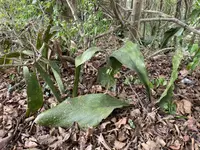
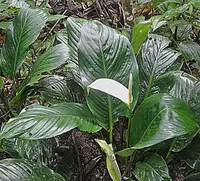
Spathiphyllum cannifolium, often called spathe flower, is a tropical, evergreen perennial grown mainly for its lush foliage and elegant white spathes. It forms dense clumps of broad, lance-shaped leaves that create a full, architectural look indoors.

This species is native to humid, shaded understories in Central and South America, where it grows in warm, consistently moist conditions. Its tolerance of low to medium indoor light and irregular watering makes it relatively forgiving.

Many plant owners choose it for reliable foliage rather than frequent blooms, so it suits homes and offices well. Those learning how to care for Spathe Flower usually find it manageable if light, moisture, and drainage remain reasonably stable.

Main Plant Requirements

Care Difficulty

Moderate Care

Light Preference

Bright Indirect Light

Water Requirements

Keep Soil Moist

Temperature Preference

Tropical / Frost Sensitive

Hardiness Zone

11–12

Soil Texture

Loamy, Peaty, Organic-rich

Soil pH

Acidic (5.5–6.5), Slightly acidic (6.5–7.0)

Soil Drainage

Moist but well-drained

Fertilization

Light (every 4–6 weeks)

Get Personalized Care Plan

Scan your plant to receive care tips personalized for your specific plant

Available on iOS and Android

How to Care for the Spathe Flower

This tropical understory plant prefers bright, filtered light that mimics dappled forest shade.

  • Provide 6–8 hours of bright, indirect light daily; light sheer-curtained east or north windows suit Spathe Flower indoor care well.
  • Tolerates partial shade and can grow 1–2 m from a bright window, but very low light reduces flowering and produces thin, stretched leaves.
  • Avoid direct midday or strong afternoon sun, which causes leaf scorch and faded foliage; increase distance from glass in summer or add sheer filtering.

This species prefers consistently slightly moist soil without staying soggy.

  • Water when the top 2–3 cm of soil feels dry; in warm, bright conditions this may mean every few days, but rely on touch rather than a fixed schedule.
  • Use free-draining soil and an unblocked drainage outlet so excess water exits quickly, reducing risk of root rot and sour smells.
  • In cooler or darker seasons, allow the top layer to dry a bit deeper; drooping, thin leaves signal thirst, while yellowing, mushy stems indicate overwatering.

This plant thrives in stable, warm conditions similar to a tropical forest floor.

  • Optimal growth occurs at 68–80°F (20–27°C); growth slows below 65°F (18°C) and leaf quality declines with prolonged chill.
  • Protect from cold drafts and open windows below 55°F (13°C); tissue damage and leaf blackening can appear after short exposure near 40°F (4°C).
  • Tolerates brief heat up to 86°F (30°C) if humidity and watering are adequate; in hot, dry spells, increase air movement and avoid hot air from heaters.

This species benefits from moderately high, stable humidity for best foliage quality.

  • Aim for 50–70% humidity to keep leaves broad, glossy, and less prone to tip browning when caring for Spathe Flower.
  • It tolerates short periods of 35–40% humidity but may show brown tips, curled margins, and slower growth if air stays dry.
  • Increase humidity with a nearby humidifier, grouping plants, or a pebble tray under the pot, rather than misting leaves directly.

Spathiphyllum cannifolium grows best in loose, moisture-retentive but well-drained, organic-rich soil.

  • Use a mix of roughly 2 parts peat or coco coir, 1 part fine bark, and 1 part perlite to create an airy yet moisture-holding substrate.
  • Aim for slightly acidic to neutral pH, around 6.0–7.0, which supports nutrient availability and stable growth.
  • Ensure water drains freely from the pot within a few seconds; add more perlite or bark if the mix stays soggy or compacts quickly.
  • Avoid heavy garden soil, unamended clay, or mixes dominated by fine sand, which can lead to poor aeration, root suffocation, or irregular drying.

This species adapts very well to container growing.

  • Choose a pot that is slightly wider than the root mass, as the spreading root system prefers lateral space rather than extra depth.
  • Select a heavier ceramic or clay container if the plant develops large leaves, since added weight reduces the risk of tipping.
  • Use a saucer that allows rapid removal of drained water so the lower root zone does not remain in a constant water bath.

Spathiphyllum cannifolium benefits from moderate, consistent feeding during active growth for steady foliage and flower production.

  • Use a balanced liquid fertilizer (such as 10-10-10 or 20-20-20) diluted to 1/4–1/2 strength for Spathe Flower.
  • Apply every 4–6 weeks in spring and summer on moist soil, never on completely dry roots.
  • Reduce feeding to once in late fall and once in winter, or pause if growth is very slow.
  • Flush the pot with plain water every 2–3 months to prevent salt buildup and root stress.

Pruning Spathiphyllum cannifolium keeps the plant tidy and supports healthy, new foliage and blooms.

  • Best timing is during active growth in spring or early summer, though dead material can be removed anytime.
  • Cut spent flower stalks at the base once they brown to direct energy back into foliage and future blooms.
  • Remove yellow, damaged, or crowded leaves at the soil line using clean, sharp scissors or pruners.
  • Disinfect blades before and after use with alcohol to limit disease spread between cuts and plants.

Repotting Spathiphyllum cannifolium maintains root health and supports steady growth in containers.

  • Check for roots circling the pot, pushing through drainage holes, or for slowed growth as signs repotting is needed every 2–3 years.
  • Plan repotting for spring, when light increases and the plant resumes active growth.
  • Move into a pot 2–5 cm wider, using a well-draining peat- or coco-based mix with added perlite or bark.
  • Water thoroughly after repotting, keep in bright, indirect light, and avoid fertilizing for 3–4 weeks to limit root stress.

Propagation of Spathiphyllum cannifolium is most reliable by division rather than by seed or stem cuttings.

  • Divide mature clumps in spring when repotting, choosing plants with several healthy leaves and a strong root mass.
  • Gently tease apart the root ball by hand or with a clean knife, ensuring each division has roots and at least 2–3 leaves.
  • Plant divisions in small pots with fresh, well-draining mix and firm gently to eliminate large air pockets.
  • Maintain high humidity, warm temperatures (68–80°F), and evenly moist soil to encourage rapid establishment.

Spathiphyllum cannifolium is frost-tender and needs mild indoor conditions in winter in most climates.

  • Keep indoor temperatures around 65–75°F, avoiding drafts, heater vents, and cold windowsills.
  • Water less frequently but do not let the root ball dry out completely; allow the top 2–3 cm to dry between waterings.
  • Provide bright, indirect light and avoid cold glass contact to prevent leaf spotting and stress.

Care Tips

Flush accumulated salts

Every 2–3 months take the pot to a sink and slowly run clean, room‑temperature water through the soil for several minutes to wash out built‑up fertilizer salts that can burn roots and leaf tips.

Rotate for even crowns

Turn the pot 90° every 2–3 weeks so the foliage develops a balanced, rounded crown and the leaf stalks do not lean strongly to one side.

Leaf cleaning routine

Wipe both sides of the leaves with a barely damp, soft cloth every 3–4 weeks to remove dust, improve light capture, and reduce spider mite and scale hiding spots.

Assess roots annually

Once a year gently slide the root ball partly out of the pot to check for dense circling roots or sour smell, then either up‑pot 2–3 cm or trim off a small outer layer of roots and refresh the top 3–5 cm of mix.

Post‑stress recovery zone

After repotting, transport, or a pest issue, move the plant to a stable, draft‑free spot with consistent warmth and slightly reduced light for 1–2 weeks to reduce stress and support steady recovery when growing Spathe Flower.

Common Pests and Diseases

Mealybugs

This pest forms white, cottony clusters in leaf axils and along midribs, often causing leaf yellowing and weak growth. Symptoms include sticky honeydew and sooty mold on nearby surfaces.

Solution

Isolate the plant, then dab visible insects with cotton swabs dipped in 70% isopropyl alcohol and wipe leaf bases carefully. For heavier infestations, rinse foliage under a gentle shower, then apply a neem oil or insecticidal soap spray every 7–10 days until no new mealybugs appear, while reducing excess nitrogen fertilization that encourages soft growth.

Spider mites

These insects are tiny sap feeders that thrive in warm, dry indoor air and cause stippled, dull leaves with fine webbing on the undersides. Symptoms include faded patches starting on older leaves and general loss of vigor.

Solution

Increase humidity around the plant, then thoroughly rinse both sides of leaves with lukewarm water, focusing on undersides. Follow up with insecticidal soap or a horticultural oil spray every 5–7 days for several cycles, and avoid placing the plant directly over heating vents where air is very dry to support long-term Spathiphyllum cannifolium care.

Scale insects

This pest appears as small, rounded or oval brown bumps along stems, petioles, and leaf midribs, and may cause yellowing, drooping leaves. Symptoms include sticky honeydew and black sooty mold on foliage or nearby surfaces.

Solution

Gently scrape or peel off individual scales with a fingernail or soft brush, then wipe affected areas with alcohol-dampened cotton to remove remaining juveniles. For persistent issues, apply horticultural oil thoroughly to stems and leaf midribs at 7–10 day intervals, and inspect new growth regularly so new outbreaks are caught early.

Cylindrocladium root and crown rot

This disease is caused by a soil-borne fungus that attacks roots and the crown, leading to wilting, yellowing, and collapse even when soil is moist. Symptoms include blackened, mushy roots and rotten tissue at the base of petioles.

Solution

Remove the plant from its pot, trim off all black, soft roots and affected crown tissue, and repot into fresh, sterile, well-draining peat-based mix in a clean container. Avoid overwatering, discard old contaminated soil, and maintain moderate watering and airflow; in severe cases, discard the entire plant to prevent spread to other aroids.

Bacterial leaf blight

This disease causes water-soaked, translucent spots on leaves that quickly turn brown and irregular, starting at margins or tips and spreading along veins. Symptoms include a yellow halo around lesions and a foul odor on severely affected tissue.

Solution

Promptly remove and discard affected leaves, cutting back into healthy tissue and sterilizing tools with 70% alcohol between cuts. Keep foliage dry by watering at the soil level, improve air circulation, avoid overcrowding, and do not mist the plant until new growth appears healthy; heavily infected plants should be isolated or discarded to protect nearby collections.

Interesting Facts

Distinct canna-like foliage

This species has elongated, canna-like leaves with a pronounced midrib and parallel venation, which is more lanceolate and narrow than the broader leaves of common peace lily hybrids.

Lowland rainforest origin

It occurs naturally on the shaded, humid floor of tropical lowland forests in parts of northern South America, where it grows in deep leaf litter and receives only filtered light through the canopy.

Narrow native range

Unlike widely cultivated peace lilies, this species has a comparatively restricted distribution in the wild and is less frequently encountered in cultivation, so many plants sold are still traced back to a limited number of wild-collected lineages.

FAQs about Spathe Flower

Brown tips usually result from low humidity, inconsistent watering, or excess fertilizer salts. Fluoridated or very hard tap water may also scorch edges. Improve humidity, flush the potting mix occasionally, and use filtered or rested water when possible.

Grow Healthy Plants with Botan Care

Keep your plants happy and healthy with plant identification, disease detection, and easy care guidance.

Botan plant care app — identify plants on mobile

Explore More Plants