Early framework training
In the first 1–3 years, loosely tie young shoots to a trellis, fence, or wires at 30–45° angles to build a stable, layered framework that will carry heavy flowering wood later.

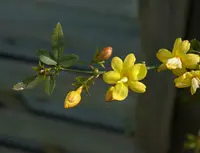
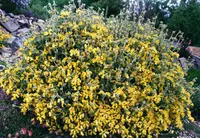
Primrose jasmine (Jasminum mesnyi) is an evergreen shrub known for its arching stems and early, bright yellow, non-fragrant flowers. It is often grown as a loose hedge, bank cover, or trained over trellises and walls.
This species comes from China and adapts well in warm, frost-free or mild climates. It grows quickly and can become quite large if not pruned.
Jasminum mesnyi is generally considered easy to grow when given sun, well-drained soil, and regular moisture. Understanding how to care for Primrose Jasmine mainly involves managing its vigorous growth and providing enough light for good flowering.

Care Difficulty
Moderate Care

Light Preference
Full Sun

Water Requirements
Moderate Water

Temperature Preference
Warm Climate

Hardiness Zone
8–10

Soil Texture
Sandy, Loamy, Organic-rich

Soil pH
Acidic (5.5–6.5), Slightly acidic (6.5–7.0)

Soil Drainage
Well-drained

Fertilization
Light (every 4–6 weeks)
Scan your plant to receive care tips personalized for your specific plant
Available on iOS and Android
This sun-loving jasmine blooms best with strong but not extreme light exposure.
This shrub prefers evenly moist, well-drained soil rather than constant wetness or prolonged dryness.
This jasmine prefers mild, frost-free conditions and performs best in warm temperate climates.
This jasmine prefers moderate air moisture but adapts to typical indoor humidity if not extremely dry.
Jasminum mesnyi grows best in loose, well-aerated, fast-draining soil with moderate organic matter.
This species is well suited to container culture, especially where garden space or winter protection is limited.
This jasmine benefits from moderate feeding during active growth but does not need heavy fertilization.
Pruning helps Jasminum mesnyi maintain a controlled shape and encourages flowering on vigorous new growth.
This jasmine is often grown in the ground but can adapt to containers when transplanted with care.
Jasminum mesnyi is commonly propagated from semi-ripe cuttings and by layering for reliable cloning of desired plants.
This jasmine is suited to mild-winter climates but needs some attention in colder regions to avoid freeze damage.

Plant Health Check
Not sure what's wrong with your plant? Check your plant's health inside the app.
Primrose jasmine often begins flowering in late winter to early spring, before many other ornamental shrubs, providing an important early nectar source for bees in mild climates.
In warm regions this species can remain fully evergreen, but in areas with cooler winters it often becomes semi-evergreen or briefly deciduous, dropping some or most leaves before quickly leafing out again.
The plant naturally develops long, flexible, arching stems that can trail, spill, or be trained on supports, which is why it is used both as a groundcover on slopes and as a loose, informal hedge.

Unlike many ornamental jasmines, this species belongs to a group within Jasminum that naturally produces showy yellow, but non-fragrant, flowers, so it is grown mainly for visual impact and early-season color rather than scent.
Lack of blooms often comes from insufficient light, heavy pruning at the wrong time, or excess nitrogen fertilizer. Prune lightly just after flowering, avoid hard summer/winter pruning, and use a balanced fertilizer to support bud formation.
Keep your plants happy and healthy with plant identification, disease detection, and easy care guidance.