Saxifraga valdensis Care

About Saxifraga valdensis

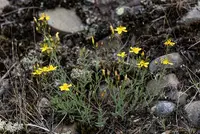
Saxifraga valdensis is a compact alpine perennial that forms low, dense rosettes and cushions, often dotted with small, delicate white flowers. It stays very low to the ground and slowly spreads, making it useful for rock gardens and crevices.

This species occurs naturally in mountainous regions of Europe, where it grows in rocky, well-drained sites with cool conditions. It can be moderately challenging, as it dislikes waterlogged soil and prolonged heat.

Gardeners who want to care for Saxifraga valdensis should focus on sharp drainage, steady moisture around the roots, and protection from strong, drying sun in hotter climates.

Main Plant Requirements

Care Difficulty

Hard Care

Light Preference

Partial Shade

Water Requirements

Moderate Water

Temperature Preference

Cold Hardy

Hardiness Zone

5–7

Soil Texture

Sandy, Loamy, Rocky

Soil pH

Acidic (5.5–6.5), Slightly acidic (6.5–7.0)

Soil Drainage

Well-drained

Fertilization

Minimal (feed rarely)

Get Personalized Care Plan

Scan your plant to receive care tips personalized for your specific plant

Available on iOS and Android

How to Care for the Saxifraga valdensis

This alpine species prefers cool, bright conditions with protection from intense midday sun.

  • Provide 3–5 hours of gentle morning sun with light shade or dappled light for the rest of the day, especially in summer.
  • Place in north- or east-facing exposures or in the lightly shaded side of a rock garden to mimic natural, rocky, partially shaded slopes where Saxifraga valdensis grows.
  • Watch foliage for stress: pale, scorched, or crispy leaves indicate too much direct sun, while weak, elongated growth suggests insufficient light.

This plant prefers consistent light moisture in well-drained, gritty soil that never stays saturated.

  • Water when the top 1–2 cm of soil feels dry, allowing moisture to reach the roots but avoiding standing water in crevices or around the crown.
  • Use sharply drained, gravelly or sandy soil so excess water runs off quickly, reducing the risk of rot in cool, wet weather.
  • Reduce watering in late fall and winter, watch for limp, shriveling rosettes as a sign of underwatering, and for yellowing, mushy leaves as a sign of overwatering.

This alpine rock plant is cold hardy but prefers cool summers and protection from extreme heat.

  • Optimal growing temperatures are about 45–65°F (7–18°C), with best performance in cool spring and early summer conditions.
  • Plants tolerate winter lows near 0°F (-18°C) under good drainage and snow cover, but repeated freeze-thaw cycles around the crown can cause damage.
  • In hot summers above 80°F (27°C), provide extra shade and keep roots cool with mulch or rock cover, avoiding reflected heat from walls or paving.

This alpine species prefers relatively low to moderate humidity and usually does well in typical indoor air.

  • Aim for 30–50% humidity; avoid overly damp, stagnant air which encourages fungal spots on leaves and crowns.
  • Dry central heating air is usually tolerated, but if leaf edges crisp or rosettes shrink, humidity is likely too low.
  • Increase humidity locally by placing the pot on a pebble tray with water below the pot base rather than misting the foliage.

This plant needs sharply drained, gritty soil that mimics its natural alpine rock crevice habitat.

  • Use a mix of roughly 50% mineral grit (coarse sand, fine gravel, or horticultural grit) and 50% lean loam-based compost.
  • Ensure very rapid drainage; water should run through in seconds and the mix should never stay waterlogged.
  • Keep pH slightly alkaline to neutral, around 7.0–7.5, by incorporating a small amount of limestone chips if local water is soft.
  • Avoid heavy, peat-rich, or clay-heavy mixes, as these reduce aeration around the crown of Saxifraga valdensis and promote rot.

This species is well suited to container growing, especially in troughs or shallow alpine pans.

  • Choose a wide, shallow pot to match the shallow root system and allow rosettes to spread without staying wet at the crown.
  • Select unglazed terracotta if extra evaporation is needed in wet climates, as it helps keep the root zone drier.
  • Raise the container slightly on pot feet or blocks so drainage holes stay clear and excess water escapes quickly after rain or watering.

This alpine species stays compact and healthy with only light feeding in lean, well-drained substrates.

  • Use a low-dose balanced NPK liquid fertilizer at 1/4–1/2 strength during active growth in spring–early summer.
  • Apply every 4–6 weeks at most, skipping doses if growth remains tight and foliage looks deep green.
  • Avoid heavy compost or rich slow-release pellets, which encourage weak, lush growth and reduce hardiness.
  • Stop feeding in late summer so Saxifraga valdensis can harden off before winter dormancy.

Pruning needs are minimal and focus on keeping rosettes clean and flowers tidy.

  • Trim spent flower stems at the base after blooming to maintain a compact cushion and direct energy back to the foliage.
  • Gently remove dead, yellowed, or damaged leaves by hand or with fine scissors to reduce rot risk in dense mats.
  • Carry out light grooming in late spring or after flowering, avoiding deep cuts into healthy rosettes.
  • Use clean, sharp scissors or snips and disinfect blades if plants have shown any fungal or rot issues.

This species is usually grown in rock gardens or crevices, where it dislikes frequent disturbance.

  • Transplant or repot only when growth is clearly cramped, roots circle a small pot, or the center of the clump declines.
  • Plan any move for early spring or early autumn, avoiding hot, dry periods that increase transplant shock.
  • Handle root balls gently, keeping as much soil attached as possible, and shift only to a slightly larger, sharply drained container or pocket.
  • Water lightly after transplanting, then allow the mix to dry slightly between waterings to support root recovery.

New plants are most reliably obtained by careful division of established clumps.

  • Divide mature cushions in early spring, separating small rosettes with attached roots using a clean knife.
  • Replant divisions into gritty, sharply drained substrate, keeping crowns just above the surface to prevent rot.
  • Grow divisions in bright, cool conditions with moderate moisture until new root growth anchors them well.
  • Seed propagation is possible from fresh, cool-stratified seed but is slower and less predictable than division.

This alpine perennial is cold hardy but benefits from basic winter preparation in exposed gardens.

  • Tolerates typical frost and snow when planted in very free-draining, gritty soil or rock crevices.
  • Apply a light gravel or grit mulch around crowns to improve drainage and reduce freeze–thaw damage.
  • Avoid heavy, wet mulches that hold moisture around the rosettes and encourage winter rot.
  • Move container-grown plants to a cold, sheltered spot with overhead cover, keeping soil barely moist.

Care Tips

Alpine-style mulching

Top-dress around the rosettes with 0.5–1 cm of fine grit or sharp sand to keep leaf bases dry, reduce moss and algae, and mimic the stony scree these plants naturally grow in.

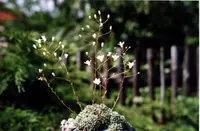
Rock crevice placement

Tuck plants into narrow rock crevices or between stones so roots stay cool and shaded while foliage receives light, which greatly improves longevity and flowering compared to open, exposed soil.

Snow and frost management

In very wet or freeze–thaw prone winters, place a simple rigid cover such as a cold frame lid or clear board above the planting to keep excess rain and ice off the rosettes while still allowing cold air circulation.

Divide only when stable

Split and replant clumps only after flowering and only when the plant has several strong rosettes, then replant divisions at the same depth and immediately firm grit around the crowns to prevent rot.

Targeted pest checks

Inspect rosettes and the crown line with a hand lens every few weeks in spring for aphids, vine weevil notching, or rot, and remove affected rosettes promptly so issues do not spread through the tight cushion when caring for Saxifraga valdensis.

Common Pests and Diseases

Aphids

This pest feeds on young shoots and flower stems, sucking sap and causing distortion, sticky honeydew, and sometimes sooty mold on saxifrages in rock crevices.

Solution

Rinse colonies off rosettes and flower stems with a firm stream of water, then spot-treat remaining clusters with insecticidal soap or a ready-to-use neem oil spray, repeating weekly until under control and avoiding application in direct hot sun.

Vine weevils

These insects damage saxifrages in containers and rock gardens; adults notch leaf edges, while larvae feed on roots and crowns, causing sudden wilting or collapse.

Solution

Inspect plants regularly at night for adults and hand-pick them, then apply entomopathogenic nematodes to moist soil in late summer or early fall to target larvae and prevent repeat damage.

Red spider mites

This pest appears in hot, dry conditions, causing fine stippling, a dull grayish look, and possible webbing on the small leaves of cushion-forming saxifrages.

Solution

Increase humidity around the plant with more frequent overhead rinsing, hose foliage to dislodge mites, and use insecticidal soap or a miticide labeled for ornamentals, making sure to cover the undersides of leaves and repeating as needed.

Leaf spot

This disease causes small water-soaked or brown spots on leaves, which can merge into larger blotches and reduce the vigor of tight cushions.

Solution

Remove and dispose of affected leaves, improve air circulation by avoiding overcrowding, water at the base rather than overhead, and if spread continues, use a fungicide labeled for ornamental leaf spots according to label instructions.

Powdery mildew

This disease shows as white, powdery patches on leaves and sometimes stems, which can lead to yellowing and reduced flowering in dense cushions.

Solution

Thin or divide congested clumps to improve airflow, avoid overhead watering late in the day, promptly remove heavily infected foliage, and apply a sulfur or potassium bicarbonate fungicide if conditions remain favorable for disease and symptoms persist as part of Saxifraga valdensis care instructions.

Interesting Facts

High Alpine Specialist

This species is native to high alpine regions of the southwestern Alps, where it grows in crevices and fissures of siliceous rocks such as gneiss and schist, often above the treeline. Its compact rosettes help it withstand strong winds and intense solar radiation typical of these elevations.

Silicate Rock Preference

Unlike many other saxifrages that favor limestone, this plant is characteristically linked to acidic, silicate bedrock. Its distribution closely follows suitable siliceous substrates, making it a good indicator of specific alpine geological conditions.

Limited Geographic Range

It has a relatively restricted natural range, mainly in parts of Italy and adjacent alpine areas, and occurs in scattered, often isolated populations. This patchy distribution reflects its narrow habitat requirements and the fragmented nature of suitable rocky microhabitats.

FAQs about Saxifraga valdensis

This species forms small, slow-expanding clumps or cushions and is not considered aggressive. It may very gradually widen through short shoots, but usually stays where planted and coexists well with other alpine or rock garden plants.

Grow Healthy Plants with Botan Care

Keep your plants happy and healthy with plant identification, disease detection, and easy care guidance.

Botan plant care app — identify plants on mobile

Explore More Plants