

Sturdy staking
Install low, unobtrusive stakes and soft ties early in the season so tall, top-heavy stems stay upright and flower spikes remain visible and easier to cut for arrangements.

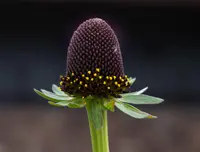
Western coneflower, Rudbeckia occidentalis, is a hardy herbaceous perennial in the aster family, best known for its dark, cone-shaped centers without showy petals. It forms upright clumps with sturdy stems and coarse, lance-shaped leaves, creating a tall, architectural look in garden beds and naturalistic plantings.
This species is native to moist meadows and stream edges in western North America, where it grows in full sun and consistently damp but not waterlogged soils. It is generally easy to grow in suitable conditions, with good cold tolerance and moderate drought resistance once established.
Gardeners who care for western coneflower should note that it prefers rich, well-drained soil and benefits from regular moisture, especially in hotter, drier climates.

Care Difficulty
Easy Care

Light Preference
Full Sun

Water Requirements
Regular Water

Temperature Preference
Cold Hardy

Hardiness Zone
3–8

Soil Texture
Loamy, Silty, Organic-rich

Soil pH
Slightly acidic (6.5–7.0), Neutral (7.0)

Soil Drainage
Moist but well-drained

Fertilization
Minimal (feed rarely)
Scan your plant to receive care tips personalized for your specific plant
Available on iOS and Android
This prairie perennial prefers consistent sun exposure for strong stems and abundant flowering.
This species prefers evenly moist, well-drained soil rather than constant saturation or drought.
This hardy perennial is adapted to cool to warm temperate climates with marked seasonal change.
Humidity is rarely a limiting factor for Rudbeckia occidentalis in typical outdoor conditions.
Rudbeckia occidentalis prefers moderately fertile, well-drained, moisture-retentive soil.
This species can be grown in containers, though it performs best in large, stable pots outdoors.
This native perennial needs only light feeding, since many established clumps grow well in average garden soil without extra inputs.
Pruning Rudbeckia occidentalis is mainly used to maintain vigor, manage height, and tidy spent stems.
This species is usually grown in the ground, so care focuses on dividing and transplanting mature clumps rather than routine repotting.
Rudbeckia occidentalis is commonly propagated by seed and by division of established clumps.
This cold-hardy perennial usually needs minimal winter care in most temperate gardens.

Plant Health Check
Not sure what's wrong with your plant? Check your plant's health inside the app.
This species is unusual among coneflowers because its dark, elongated central cone is surrounded only by very small, reduced bracts, so it appears to have no yellow ray petals at all.
Rudbeckia occidentalis occurs naturally in moist meadows, streambanks, and forest edges at higher elevations in western North America, from the Pacific Northwest into parts of the Rocky Mountains.
The tall, narrow cone is packed with many small disk florets that open in sequence from bottom to top, providing a prolonged nectar and pollen source for bees and other insects over an extended blooming period.

Some botanists consider Rudbeckia occidentalis so morphologically distinct within the genus that it has occasionally been treated as representing an extreme reduction of floral structures, making it a reference point in discussions about evolutionary loss of showy petals in the Asteraceae family.
This species spreads by seed and short rhizomes, but it is usually not aggressive in typical garden conditions. Deadhead seed heads before they shatter and divide clumps every few years if it begins to crowd neighbors.
Keep your plants happy and healthy with plant identification, disease detection, and easy care guidance.

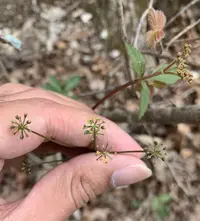
meadow alexanders
Zizia trifoliata
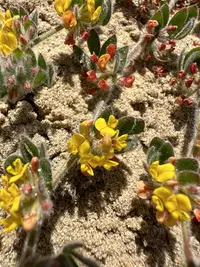
Acmispon tomentosus
Acmispon tomentosus
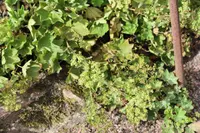
Alchemilla murbeckiana
Alchemilla murbeckiana
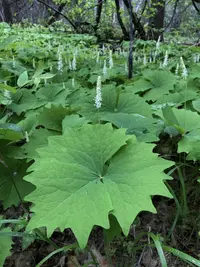
deer's foot
Achlys californica
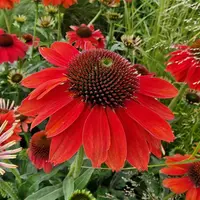
Coneflower
Echinacea 'Tomato Soup'
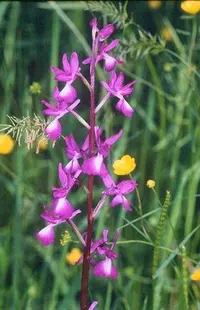
Loose-flowered orchid
Anacamptis laxiflora
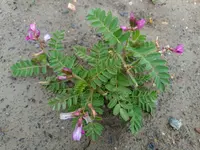
Astragalus longidentatus
Astragalus longidentatus
Hypericum linarioides
Hypericum linarioides