Rotate For Even Variegation
Turn the pot 90° every 1–2 months so different leaves face the light, which helps maintain even variegation and prevents one-sided, leaning growth.

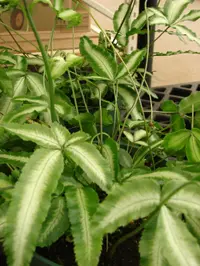
Aspidistra elatior 'Variegata', commonly called variegated cast iron plant, is a tough, slow-growing evergreen perennial often grown as a houseplant or shade plant. It forms upright clumps of strap-like leaves with creamy white or yellow streaks on a deep green background.
This species comes from shaded forest floors in East Asia, where it adapted to low light and irregular moisture. Its tolerance of shade, temperature fluctuations, and some neglect makes it suitable for beginners.
Those looking to learn how to care for Variegated Cast Iron Plant should know it prefers stable indoor conditions, moderate watering, and a well-draining potting mix.

Care Difficulty
Easy Care

Light Preference
Partial Shade

Water Requirements
Moderate Water

Temperature Preference
Warm Climate

Hardiness Zone
7–11

Soil Texture
Loamy, Clay, Organic-rich

Soil pH
Acidic (5.5–6.5), Slightly acidic (6.5–7.0)

Soil Drainage
Moist but well-drained

Fertilization
Light (every 4–6 weeks)
Scan your plant to receive care tips personalized for your specific plant
Available on iOS and Android
This shade-tolerant plant prefers steady, indirect light to keep its variegation stable.
This species prefers evenly moist but not saturated soil, with short dry periods between waterings.
This plant handles a wide temperature range but grows best in mild, stable conditions.
This plant manages well in typical home humidity, with only mild benefit from extra moisture.
Aspidistra elatior 'Variegata' grows best in a loose, slightly moisture-retentive but free-draining mix.
This species is very suitable for long-term container growing.
This shade-tolerant plant needs modest feeding to support healthy variegation and steady growth.
Pruning needs for Aspidistra elatior 'Variegata' are minimal and focus on cleanliness rather than shaping.
This plant prefers to stay slightly root bound and only needs infrequent repotting or division.
Propagation is most reliable by division, as seeds are slow and seldom used for home growing.
Mature plants are fairly cold tolerant but benefit from some winter attention, especially in containers.

Plant Health Check
Not sure what's wrong with your plant? Check your plant's health inside the app.
The variegated form of the cast iron plant became popular in late 19th‑century Europe and the US as a foliage plant for dim Victorian interiors, where its striped leaves tolerated gas lighting and low light better than most ornamentals.
Its pale cream or yellow striping results from a genetic chimera, where tissues with reduced chlorophyll sit alongside normal green tissue, producing stable longitudinal stripes along the leaf blade.
This cultivar grows very slowly, often producing only a few new leaves per year, but individual clumps can persist for decades in the same container or planting site when given stable conditions.

The variegated cast iron plant was historically used in Japan as a foliage accent in shaded courtyard gardens and near doorways, where its pale leaf striping provided visual contrast in low light and influenced its selection and maintenance as a traditional shade ornamental.
Brown tips or edges usually result from low humidity, excess fertilizer salts, or irregular watering. Fluoridated or very hard tap water can also damage leaf edges. Flush the soil, trim damage, and switch to filtered or dechlorinated water.
Keep your plants happy and healthy with plant identification, disease detection, and easy care guidance.