Asparagus Fern Care (Asparagus densiflorus 'Sprengeri')

Asparagus Fern

About Asparagus Fern

Asparagus densiflorus 'Sprengeri', often called asparagus fern, is an evergreen perennial with soft, needle-like cladodes that give it a feathery, fernlike look. It grows as a cascading or mounding plant, making it suitable for hanging baskets, containers, or as a groundcover in mild climates.

This species originates from South Africa, where it grows in bright, filtered light with regular moisture. Its tough root system and tolerance of occasional neglect make it relatively forgiving once established.

Understanding how to care for Asparagus Fern starts with knowing that it prefers bright indirect light, evenly moist but not soggy soil, and moderate indoor temperatures.

Main Plant Requirements

Care Difficulty

Easy Care

Light Preference

Partial Shade

Water Requirements

Moderate Water

Temperature Preference

Tropical / Frost Sensitive

Hardiness Zone

9–11

Soil Texture

Sandy, Loamy, Organic-rich

Soil pH

Acidic (5.5–6.5), Slightly acidic (6.5–7.0)

Soil Drainage

Moist but well-drained

Fertilization

Light (every 4–6 weeks)

Get Personalized Care Plan

Scan your plant to receive care tips personalized for your specific plant

Available on iOS and Android

How to Care for the Asparagus Fern

This plant prefers bright, indirect light with some protection from harsh midday sun.

  • Provide 4–6 hours of bright, filtered light daily; morning sun with afternoon shade suits Asparagus Fern well, especially in warmer regions.
  • Outdoors, grow in dappled shade under trees or on an east-facing site; indoors, place near a bright window with sheer curtains.
  • Too much direct midday or afternoon sun can scorch needles, while very low light leads to sparse, yellowing growth and weak stems.

Watering should keep the root zone lightly moist but never saturated for long periods.

  • Let the top 2–4 cm of soil dry before watering; use this finger test rather than a fixed schedule, as light, temperature, and pot size change needs.
  • In spring and summer, expect more frequent watering; in fall and winter, reduce frequency but do not allow the root ball to dry out completely.
  • Overwatering shows as yellowing, mushy roots, and sour smell; underwatering in Asparagus densiflorus 'Sprengeri' causes browning tips, shedding cladodes, and very dry, pulling soil.

Stable, mild temperatures support dense, healthy growth.

  • Ideal growing range is 65–80°F (18–27°C); brief dips to 55°F (13°C) are usually tolerated but slow growth and can stress the plant.
  • Protect from frost, as tissue damage occurs near 32°F (0°C); in regions with cold winters, move plants indoors or under cover before first frost.
  • In hot spells above 90°F (32°C), increase shade and ventilation and check moisture more often to prevent heat stress and leaf scorch.

This species handles typical indoor humidity but benefits from slightly moist air.

  • Aim for 40–60% humidity to reduce browning of fine needle-like leaves.
  • Tolerates brief dry air, but prolonged levels below 30% can cause yellowing tips and shedding cladodes (leaf-like structures).
  • Increase humidity with a nearby humidifier or grouped plants rather than frequent misting, which adds little lasting moisture.

This plant prefers a loose, well-aerated, fast-draining mix that still holds moderate moisture.

  • Use a peat- or coco-based potting mix amended with 20–30% perlite and/or coarse sand for drainage and air spaces.
  • Aim for slightly acidic to neutral pH around 6.0–7.0, which supports nutrient availability for Asparagus densiflorus 'Sprengeri'.
  • Incorporate a small amount of fine bark or compost to add organic matter without making the mix heavy or compacting.
  • Avoid dense, clay-heavy, or constantly wet soils, which encourage root rot and reduce oxygen around the roots.

This species is well suited to container growing due to its fibrous roots and arching habit.

  • Choose a wide, moderately deep pot to accommodate spreading tuberous roots and support the plant’s cascading foliage weight.
  • Select a heavier material such as ceramic when grown outdoors to keep the container stable against wind and top-heavy growth.
  • Ensure drainage holes stay unobstructed by using a coarse layer of chunky mix near the base rather than gravel, which can trap water.

This plant responds well to modest, consistent feeding during the active growing season.

  • Use a balanced liquid fertilizer (around 10-10-10 or 20-20-20) at 1/2 strength for caring for Asparagus Fern in pots or beds.
  • Feed every 4–6 weeks in spring and summer; avoid applying to dry soil to reduce root burn risk.
  • In fall and winter, cut feeding back to 1 light application or stop entirely if growth slows clearly.
  • Slow-release granules or a thin layer of compost in spring can supplement liquid feeds without overloading nutrients.

Thoughtful pruning keeps Asparagus densiflorus 'Sprengeri' dense, tidy, and safer to handle.

  • Plan main pruning in late winter or early spring before strong new growth begins.
  • Use clean, sharp scissors or hand pruners to remove yellow, brown, damaged, or thorny stems at the base.
  • Thin out crowded, tangled fronds to open the plant’s center and encourage airy, arching new growth.
  • Light trimming after flowering can refine shape, but avoid removing more than 1/3 of the foliage at once.

This species forms thick, tuberous roots that eventually crowd containers or planting pockets.

  • Check for signs such as roots circling the pot, bulging sides, fast drying soil, or slowed growth as cues to repot.
  • Plan repotting or transplanting in spring, every 2–3 years, when active growth supports recovery.
  • Move into a pot only 2–5 cm wider, using a well-drained mix; gently loosen circling roots without tearing.
  • Water thoroughly after repotting, then keep in bright, indirect light for 7–10 days to limit transplant shock.

Asparagus densiflorus 'Sprengeri' is usually propagated by division, with seeds as a slower alternative.

  • Divide mature clumps in spring, lifting the root mass and cutting into sections with several tubers and shoots each.
  • Replant divisions into fresh, well-drained mix, keeping crowns at the same depth and soil slightly moist, not wet.
  • For seed, sow ripe, cleaned seeds in warm (70–75°F), bright, indirect light; germination may take several weeks.
  • Maintain high humidity and gentle air movement around new plants to reduce wilting and fungal issues.

This plant is tender in cold climates and needs protection where winters drop below mild conditions.

  • It is usually hardy only to about 25–30°F; prolonged freezes can kill foliage and damage roots.
  • Move container plants indoors before first frost into bright, indirect light with 55–65°F temperatures.
  • Reduce watering in winter so the soil dries slightly between waterings, preventing cold, soggy conditions.
  • For in-ground plantings in mild zones, add a 5–8 cm mulch layer over the root zone to buffer temperature swings.

Care Tips

Support Arching Stems

Use a low wire hoop, trailing basket edge, or discreet hooks to support mature arching stems so they do not kink or snap under their own weight, especially near walkways or doors.

Safe Handling Routine

Wear thin gloves and long sleeves when repotting or trimming, and dispose of clippings promptly to avoid skin irritation from the tiny thorns and to keep pets from chewing discarded stems.

Divide For Renewal

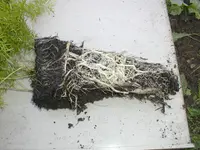
Every 2–3 years, slice the dense root mass into 2–4 sections with a clean knife and replant each piece to rejuvenate growth, reduce overcrowding, and produce multiple vigorous plants from one older clump.

Salt And Fluoride Check

If new growth yellows or tips brown despite correct watering, flush the pot thoroughly with clean water every few months and, if possible, switch to rainwater or filtered water to reduce salt and fluoride stress.

Outdoor Summering Strategy

In mild climates, move container plants outdoors in late spring into bright shade, then rotate the pot every 1–2 weeks so all sides receive similar light and wind exposure, which promotes balanced, sturdy growth when growing Asparagus Fern.

Common Pests and Diseases

Spider mites

This pest causes fine stippling on leaf-like cladodes, webbing in dense areas, and overall yellowing or bronzing, especially in dry indoor air. Symptoms include slow decline and a dusty look on fronds when populations are high.

Solution

Rinse the foliage thoroughly with lukewarm water, including the undersides of cladodes, and repeat weekly until activity drops. Increase humidity slightly, improve air circulation, and use an insecticidal soap or horticultural oil labeled for spider mites, making sure to cover all green tissue and repeat according to label directions.

Mealybugs

These insects appear as white, cottony clusters in stem joints, along the central stems, and sometimes on roots, causing yellowing, sparse growth, and sticky honeydew. This pest is more common on container plants grown indoors or in sheltered patios.

Solution

Isolate the plant, then dab visible mealybugs with cotton swabs dipped in 70% isopropyl alcohol and remove heavily infested stems. Follow with thorough sprays of insecticidal soap or horticultural oil every 7–10 days until no new insects appear, and check the root ball during repotting to remove any root mealybugs.

Scale insects

These insects form small, dome-shaped brown or gray bumps on stems and cladodes, often along the main arching stems, leading to yellowing and thin, weak growth. Honeydew and sooty mold may appear on foliage or nearby surfaces.

Solution

Gently scrape off individual scales with a fingernail or soft brush and prune out badly infested stems. Treat the remaining plant with a thorough application of horticultural oil, repeating after 7–14 days, and keep the plant slightly drier and less fertilized while it recovers to discourage rapid pest buildup.

Aphids

These insects cluster on soft new shoots and flower stems, sucking sap and causing distortion, yellowing, and sticky honeydew that can attract ants. This pest is more common on plants grown outdoors or in bright patio conditions where new growth is frequent.

Solution

Spray the plant with a strong stream of water to dislodge aphids from tender growth, then follow with insecticidal soap, making sure to cover all sides of stems and any flower stalks. Repeat applications every few days until populations decline, and remove heavily infested tender tips to reduce pressure while caring for Asparagus Fern in active growth periods.

Needle blight

This disease causes yellowing, browning, and drop of the needle-like cladodes, often starting in inner or lower parts of the plant where air movement is poor. Symptoms include thinned, bare-looking stems and a general loss of the plant’s dense, feathery appearance.

Solution

Remove and dispose of all affected stems and fallen cladodes, then thin the plant slightly to improve light penetration and airflow. Avoid overhead watering, keep the foliage as dry as possible, and, in severe or recurring cases, apply a fungicide labeled for foliar blights on ornamental plants according to label directions.

Interesting Facts

True fern misnomer

Despite the common name asparagus fern, this plant is not a true fern but a flowering plant in the Asparagaceae family, more closely related to edible asparagus than to ferns. Its feathery look comes from modified stems called cladodes, not true leaves like those of real ferns.

Naturalized in warm climates

Originally native to parts of South Africa, this cultivar has escaped cultivation and naturalized in warm regions such as Florida, Hawaii, and parts of Australia, where it can form dense groundcover. In some of these areas it is monitored or regulated as a potentially invasive ornamental.

Prickly stems hidden

The soft, airy foliage hides sharp, woody spines along older stems, a feature typical for this species. These spines provide structural support and can deter herbivores, so handling often requires some care even though the plant looks delicate.

Botan icon

Did you know?

This plant produces bright red, berry-like fruits containing hard seeds that are dispersed by birds in its naturalized ranges, which helps explain how it spreads so effectively outside its native South African habitat.

FAQs about Asparagus Fern

Brown tips or fronds usually result from low humidity, underwatering, or salt buildup from fertilizer. Increase humidity, water thoroughly but less often, and occasionally flush the potting mix with plain water to remove excess salts.

Grow Healthy Plants with Botan Care

Keep your plants happy and healthy with plant identification, disease detection, and easy care guidance.

Botan plant care app — identify plants on mobile

Explore More Plants