Rocky Mountain zinnia Care (Zinnia grandiflora)

Also known as: Plains zinnia
Rocky Mountain zinnia

About Rocky Mountain zinnia

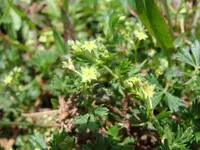
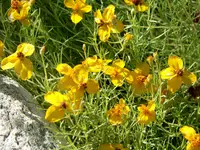
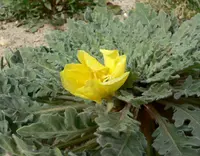
Rocky Mountain zinnia (Zinnia grandiflora) is a low, mounding perennial from the sunflower family, forming dense mats covered in bright yellow daisy-like flowers. It typically stays compact and spreading, which makes it useful for edging, rock gardens, and dry slopes where a tidy, ground-hugging habit is needed.

This species is native to the dry grasslands and foothills of the central and southern Rocky Mountains and nearby plains. It is adapted to sun, wind, and poor, well-drained soils, so it generally needs little pampering once established.

Because it tolerates drought and lean soil, many gardeners find it relatively straightforward to care for Rocky Mountain zinnia, provided it receives plenty of sun and is not overwatered.

Main Plant Requirements

Care Difficulty

Easy Care

Light Preference

Full Sun

Water Requirements

Low Water

Temperature Preference

Warm Climate

Hardiness Zone

4–9

Soil Texture

Sandy, Loamy, Rocky

Soil pH

Slightly acidic (6.5–7.0), Neutral (7.0)

Soil Drainage

Well-drained

Fertilization

Minimal (feed rarely)

Get Personalized Care Plan

Scan your plant to receive care tips personalized for your specific plant

Available on iOS and Android

How to Care for the Rocky Mountain zinnia

Zinnia grandiflora thrives in strong, direct sun typical of open, dry sites.

  • Provide 6–10 hours of direct sun daily; full sun promotes compact growth and abundant flowering in Rocky Mountain zinnia.
  • Tolerates light afternoon shade in very hot climates, but flowering and density decline in more than 3–4 hours of shade.
  • Avoid deep shade, which leads to weak, floppy stems and few blooms; in winter, ensure the planting site is not shaded by buildings or evergreens.

Zinnia grandiflora prefers infrequent, deep watering and well-drained, drying soil.

  • Water only when the top 3–5 cm of soil feels dry, then soak the root zone thoroughly and allow excess to drain away.
  • Choose gritty, fast-draining soil; standing water or heavy clay greatly increases root rot and yellowing, mushy stems.
  • In cool seasons, reduce frequency as evaporation slows; wilting and crisp leaf edges suggest underwatering, while persistent softness and mildew indicate excess moisture.

This species is adapted to hot summers and cool, dry conditions, but not prolonged hard frost.

  • Optimal growth occurs around 65–85°F (18–29°C), with good flowering through typical warm summer temperatures.
  • Mature plants tolerate brief heat up to about 95–100°F (35–38°C) if soil is not waterlogged, but blooms may shorten in extreme heat.
  • Frost is the main limitation; foliage is damaged near 30–32°F (-1–0°C), and repeated freezes below 25°F (-4°C) can kill or severely weaken plants.

This species handles low humidity well and rarely needs special moisture in the air.

  • Ideal humidity is around 30–50%, similar to dry indoor or arid outdoor conditions.
  • Rocky Mountain zinnia tolerates very dry air, but prolonged hot winds can still increase water loss and stress.
  • Wilting at leaf tips and dull foliage in extreme dryness are best managed by deep, infrequent watering rather than misting.

Zinnia grandiflora prefers lean, fast-draining soil that mimics rocky or sandy native habitats.

  • Use a gritty mix such as 50–60% sandy or loamy garden soil with 40–50% mineral material like coarse sand, small gravel, or perlite.
  • Aim for slightly alkaline to neutral pH, roughly 6.8–7.8, avoiding strongly acidic mixes designed for acid-loving plants.
  • Improve drainage and aeration by avoiding heavy peat; add coarse sand or small gravel instead of more organic matter.
  • Do not plant in compacted clay, water-holding potting mixes, or spots where water sits longer than a few hours after rain.

This species can grow in containers if the pot is prepared to stay dry between waterings.

  • Choose a wide, shallow pot to accommodate spreading roots and keep the plant from tipping in wind.
  • Select unglazed terracotta to speed evaporation and prevent the mix from staying wet for long periods.
  • Elevate the pot on feet or bricks so drainage holes stay clear and water runs off quickly after rains or irrigation.

Zinnia grandiflora thrives in lean, well-drained soil and needs only light feeding in most garden settings.

  • Use a balanced, slow-release granular fertilizer (around 10-10-10) or a thin layer of compost in early spring to support growing Rocky Mountain zinnia.
  • Apply at half the label rate to avoid lush, floppy growth and reduced flowering.
  • Feed once at the start of the growing season; in poor soils, a second light application midseason is enough.
  • Do not fertilize in late fall or winter, as growth is minimal and excess nutrients can stress roots.

Zinnia grandiflora benefits from light, targeted pruning to maintain a compact, floriferous mound.

  • In late winter or very early spring, remove dead or winter-killed stems with clean hand pruners.
  • During the growing season, deadhead spent flower clusters to extend blooming and keep the plant tidy.
  • Thin out crowded or overly long shoots to improve air circulation and preserve a low, dense shape.
  • Avoid cutting into very old woody bases; focus on younger green growth for best recovery.

This species is most often grown in the ground and responds better to careful transplanting than frequent repotting.

  • Transplant in spring or early fall, when temperatures are mild and soil is workable.
  • Move plants only when necessary, such as overcrowding or poor drainage, since established clumps dislike root disturbance.
  • Lift with a generous soil ball to keep roots intact, then replant at the same depth in sharply drained soil.
  • Water thoroughly after transplanting, then keep soil lightly moist for 1–2 weeks to reduce transplant shock.

Zinnia grandiflora is commonly propagated by seeds and division under suitable outdoor conditions.

  • Sow seeds in late spring after frost in well-drained soil and full sun, barely covering them for light exposure.
  • Keep the seedbed evenly moist until germination, then reduce watering to avoid damping-off, a fungal seedling disease.
  • Divide mature clumps in early spring, lifting sections with several shoots and a solid root mass.
  • Replant divisions promptly at original depth, water in well, and provide 1–2 weeks of consistent moisture.

Zinnia grandiflora is cold hardy in much of its native range and usually needs minimal winter care in the ground.

  • In regions with reliable snow cover and good drainage, no extra protection is typically required.
  • Where winters are cold but dry, a light 2–5 cm gravel or organic mulch helps insulate the root zone.
  • Container-grown plants in colder zones can be moved to an unheated, bright, frost-free space until spring.

Care Tips

Shear After Bloom

Use sharp shears to lightly trim back spent flower stems by 3–5 cm after the main flush to encourage a denser mound and a lighter second bloom rather than letting stems sprawl and lignify.

Encourage Groundcover Spread

When planting on slopes or rocky areas, space plants 20–30 cm apart and lightly mulch only between, not over crowns, to let stems root along the soil surface and create a more erosion-resistant mat.

Summer Stress Hardening

In late spring, reduce irrigation slightly and avoid extra fertilization so plants develop deeper roots and better heat and drought tolerance during the hottest months.

Targeted Deadheading Method

Instead of removing single spent flowers, cut entire flowered stems back to a lower side shoot with healthy foliage to maintain a compact form and reduce the risk of fungal issues in the dense canopy.

Fall Rejuvenation Grooming

In late fall in colder regions, remove weak, broken, or heavily woody stems at the base while leaving a low framework of healthy growth to improve air flow and support vigorous regrowth in spring when growing Rocky Mountain zinnia.

Common Pests and Diseases

Powdery mildew

This disease causes a white to gray, powdery coating on leaves and stems, often during warm days with cool, humid nights. Symptoms include distorted new growth and premature leaf drop, especially when plants are crowded or overhead watered.

Solution

Remove and discard affected leaves to reduce spore spread, avoid overhead watering, and space plants to improve airflow; in humid regions, use a preventive sulfur or potassium bicarbonate fungicide labeled for ornamentals at first sign of disease and rotate products if repeated applications are needed.

Alternaria leaf spot

This disease produces small, brown to purplish leaf spots that often develop tan centers and may merge, causing larger blighted areas. Symptoms include thinning foliage and reduced flowering on stressed plants, particularly in warm, moist conditions or poorly drained sites.

Solution

Prune and discard heavily spotted foliage, avoid wetting leaves when irrigating, and water at the base in the morning; in recurrent cases, apply a copper or chlorothalonil fungicide labeled for leaf spots on ornamentals, and refresh mulch to reduce infected debris around the plant.

Aphids

These insects cluster on young stems and flower buds, sucking sap and causing curling or yellowing leaves and stunted growth. This pest also excretes sticky honeydew that can lead to sooty mold on foliage.

Solution

Dislodge colonies with a strong stream of water, then, if needed, treat new growth with insecticidal soap or a light horticultural oil, ensuring full coverage of stems and leaf undersides; encourage or protect natural predators like lady beetles by avoiding broad-spectrum insecticides nearby.

Leafhoppers

These insects feed by piercing and sucking plant sap, leading to tiny white speckles, pale or scorched-looking foliage, and reduced vigor. This pest can also vector leafhopper-borne pathogens that may cause additional yellowing or decline in growing Rocky Mountain zinnia in exposed, dry sites.

Solution

Reduce grassy weeds and tall vegetation around plantings, use yellow sticky cards to monitor adult activity, and, if leafhopper numbers are high, apply an insecticidal soap or pyrethrin product in the evening when pollinator activity is low, repeating according to label directions if needed.

Interesting Facts

High-elevation specialist

This species is native to dry, open habitats of the southern Rocky Mountains and surrounding high plains, often growing on rocky slopes and foothills where many other ornamentals fail to persist.

Mat-forming subshrub

Unlike many taller annual zinnias, this plant forms a low, woody-based mat or cushion, allowing it to resist wind exposure and stabilize shallow, gravelly soils.

Summer-long blooming strategy

In suitable conditions it produces repeated flushes of small yellow daisylike flowers through much of summer, a flowering pattern that supports native bees and other pollinators over an extended season.

Botan icon

Did you know?

This species is native to the shortgrass prairie region and foothills of the central and southern United States, where it often occurs alongside bunchgrasses in plant communities adapted to low rainfall and high solar exposure.

FAQs about Rocky Mountain zinnia

This species forms a low, slowly expanding mat through short rhizomes and branching stems. It can fill small gaps in sunny, dry beds but is not considered aggressive or invasive under typical garden conditions.

Grow Healthy Plants with Botan Care

Keep your plants happy and healthy with plant identification, disease detection, and easy care guidance.

Botan plant care app — identify plants on mobile

Explore More Plants