Alchemilla nitida Care

Alchemilla nitida

About Alchemilla nitida

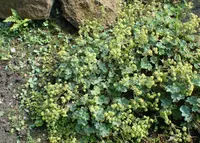
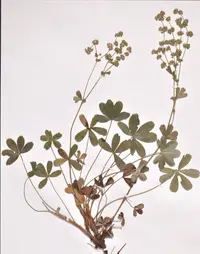
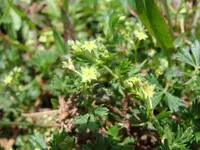
Alchemilla nitida is a compact, clump-forming perennial herb in the rose family, valued mainly for its soft, rounded foliage and neat habit. Leaves are typically lobed and slightly hairy, forming low mounds that suit edging, rock gardens, or mixed borders.

This species is native to parts of Europe, where it grows in cooler, often mountainous habitats. It generally prefers moist but well-drained soil and light conditions from full sun in cooler climates to partial shade in warmer areas.

A resilient root system and modest size make it relatively straightforward to manage, once established. Gardeners who want to learn how to care for Alchemilla nitida benefit from its tolerance of regular garden conditions and moderate maintenance needs.

Main Plant Requirements

Care Difficulty

Easy Care

Light Preference

Partial Shade

Water Requirements

Moderate Water

Temperature Preference

Cold Hardy

Hardiness Zone

4–8

Soil Texture

Loamy, Silty, Organic-rich

Soil pH

Acidic (5.5–6.5), Slightly acidic (6.5–7.0)

Soil Drainage

Moist but well-drained

Fertilization

Minimal (feed rarely)

Get Personalized Care Plan

Scan your plant to receive care tips personalized for your specific plant

Available on iOS and Android

How to Care for the Alchemilla nitida

This perennial prefers bright conditions but is most reliable in cool, gentle light.

  • Provide 4–6 hours of morning sun with light or dappled shade from midday onward to prevent leaf scorch.
  • Tolerates partial shade, especially in hotter regions, but flowering may decrease if it receives less than 3–4 hours of direct light.
  • In summer, protect Alchemilla nitida from harsh afternoon sun; in cooler seasons it can handle more direct exposure without damage.

This plant prefers evenly moist soil that never stays waterlogged.

  • Water when the top 2–4 cm of soil feels dry, soaking the root zone thoroughly, then let excess drain away.
  • Increase watering during active growth and hot, dry weather; reduce slightly in cool or rainy periods while avoiding complete drying out.
  • Signs of overwatering include yellowing, limp foliage and a sour soil smell, while dry, crisp leaf edges and slow growth indicate underwatering; ensure well-drained, humus-rich soil.

This hardy perennial tolerates a wide temperature range but grows best in moderate conditions.

  • Optimal growth occurs around 60–75°F (16–24°C), supporting steady foliage and flower development in spring and early summer.
  • Established plants tolerate cold down to about -20°F (-29°C) in the ground, dying back above soil level and regrowing from the crown in spring.
  • Handles summer heat up to about 85–90°F (29–32°C) if soil stays evenly moist and roots are mulched, but prolonged extreme heat may reduce vigor and flowering.

This species grows well in typical outdoor humidity and rarely needs special humidity management.

This plant prefers moist, well-drained, crumbly loam that does not stay waterlogged.

  • Use a mix of garden loam with 20–30% compost to provide moderate organic matter and consistent moisture retention.
  • Ensure drainage by avoiding heavy clay or compacted areas; raised beds help excess water move away from the root zone.
  • Aim for slightly acidic to neutral pH around 6.0–7.0, amending very alkaline soil with compost or leaf mold.
  • Improve aeration in dense soil by incorporating sharp sand or fine grit through the top 15–20 cm of the planting area.

This species is suitable for container growing outdoors if moisture and drainage are balanced carefully.

  • Choose a wide, shallow to medium-depth pot so the spreading root system can fill the surface layer without becoming cramped.
  • Select a heavier material such as terracotta or ceramic to stabilize the low, spreading foliage against wind and prevent tipping.
  • Use a fast-draining loam-based mix and elevate the pot slightly on feet or bricks so drainage holes never sit in standing water.

This species grows well in average soil and needs only modest feeding in gardens.

  • Apply a light dressing of compost or well-rotted manure around Alchemilla nitida in early spring to support foliage growth.
  • Use a balanced, slow-release granular fertilizer (around 10-10-10) once in spring at half the label rate if soil is poor.
  • Avoid frequent liquid feeding; excess nitrogen encourages weak, floppy growth and reduces plant longevity.
  • Do not fertilize in late fall or winter, when growth is naturally slow or dormant.

Pruning helps keep Alchemilla nitida compact, tidy, and flowering well.

  • In late spring to early summer, remove spent flower stems at the base to reduce self-seeding and encourage fresh foliage.
  • Trim back tired or floppy leaves with clean hand pruners to maintain a neat mound and better air circulation.
  • Cut the whole clump back hard after the main flowering flush if foliage looks shabby, then water to encourage regrowth.
  • Remove any dead, diseased, or damaged parts whenever noticed to limit disease spread.

This plant is usually grown in the ground, so focus on dividing and transplanting clumps rather than frequent repotting.

  • Plan to lift and divide crowded clumps of Alchemilla nitida every 3–4 years, preferably in early spring or early fall.
  • Transplant when the center of the clump becomes bare, growth slows, or plants encroach on neighbors.
  • Dig around and under the root mass, then gently tease or cut sections with healthy roots and several shoots.
  • Replant divisions at the same depth, water thoroughly, and keep evenly moist for several weeks to reduce transplant shock.

Alchemilla nitida is most commonly propagated by division, with seeds as a secondary option for larger batches.

  • Divide established clumps in early spring or early fall, when soil is moist and temperatures are mild.
  • Lift the plant, then split the root mass into sections, each with multiple buds and roots, using a clean knife if needed.
  • Replant divisions promptly in well-drained soil, water well, and keep evenly moist until new growth appears.
  • For seed propagation, sow fresh seed on the surface of a cool, moist seed mix, as some germination benefits from a cold period.

This species is generally cold hardy in temperate climates and needs minimal winter care in the ground.

  • In regions with severe freezes, apply a 5–7 cm mulch around the crown of Alchemilla nitida after the soil cools.
  • Allow top growth to die back naturally; trim off dead leaves in late winter or very early spring.
  • For container-grown plants in colder zones, move pots to a sheltered, unheated but frost-sheltered spot.

Care Tips

Mulch For Cool Roots

Apply a 3–5 cm layer of fine bark or composted leaf mold around the crown in spring to keep roots cool, conserve moisture, and reduce weed competition without burying the crown itself.

Prompt Seed Deadheading

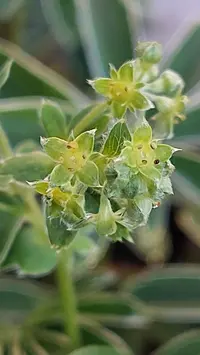
Shear off spent flower stems as soon as they fade if you want to limit self-seeding and keep clumps dense, leaving a few stems only where volunteer seedlings are welcome.

Crown Division Renewal

Divide older, woody clumps every 3–4 years in early spring or early fall, replanting only the younger, vigorous outer sections to maintain compact growth and reliable flowering.

Slope And Edge Placement

Site plants on a slight slope, raised bed edge, or the lip of a path so water can drain away from the crown during heavy rain, reducing the risk of crown rot in wet climates.

Foliage Rinse Maintenance

Rinse foliage gently with a watering can fitted with a fine rose during dry spells to remove dust and improve the decorative water-beading effect that many people value when growing Alchemilla nitida.

Common Pests and Diseases

Powdery mildew

This disease appears as white to gray powdery patches on leaves, often in warm, dry conditions with poor air movement.

Solution

Improve air circulation by thinning crowded clumps, avoid overhead watering, and water at soil level in the morning; remove heavily infected leaves and, if needed, apply a sulfur or potassium bicarbonate fungicide labeled for ornamental perennials following label directions.

Leaf spot

This disease causes irregular brown or purplish spots on foliage, sometimes with a yellow halo, and can lead to premature leaf drop in humid weather.

Solution

Remove and discard affected leaves, keep the canopy dry by watering at the base, and space plants to allow faster drying; in persistent cases, use a copper-based or chlorothalonil fungicide suitable for ornamentals applied according to the product label as part of broader Alchemilla nitida care instructions.

Slug and snail damage

These pests create irregular holes and shredded edges on leaves, often accompanied by slime trails, especially in damp, shaded sites.

Solution

Hand-pick slugs and snails in the evening, reduce hiding places such as dense mulch or debris, use iron phosphate bait around but not on the crowns, and consider barriers like copper tape or sharp grit along bed edges to limit access.

Aphids

These insects cluster on young stems and leaf undersides, sucking sap and causing curled, distorted growth and sticky honeydew that can attract sooty mold.

Solution

Rinse colonies off with a firm stream of water, encourage natural predators such as lady beetles, and if needed apply insecticidal soap or a light horticultural oil, ensuring thorough coverage of leaf undersides and tender shoots.

Interesting Facts

Balkan alpine native

This lady’s mantle species is native to high-elevation habitats in the Balkans, especially limestone mountain slopes and open rocky grasslands, where it experiences cool summers and cold, snowy winters.

Distinctive silvery sheen

The foliage has a subtle, naturally glossy to silvery appearance compared with many other Alchemilla species, which is why it is often selected as an ornamental accent in rock and alpine-style gardens.

Compact clumping habit

Unlike some spreading relatives, this species forms tight, low clumps that stay relatively compact, making it useful for edging, troughs, and other small-scale plantings when trying to grow Alchemilla nitida in designed landscapes.

FAQs about Alchemilla nitida

This species forms a slowly expanding clump through short rhizomes and self-seeding. It does not usually become aggressive in tended beds, but unwanted seedlings should be removed before they establish to keep the planting controlled.

Grow Healthy Plants with Botan Care

Keep your plants happy and healthy with plant identification, disease detection, and easy care guidance.

Botan plant care app — identify plants on mobile

Explore More Plants