Deep root training
In the first 2–3 years, water less often but deeply to encourage a strong taproot, which improves drought tolerance and anchorage for long-term growing mistol in open ground.

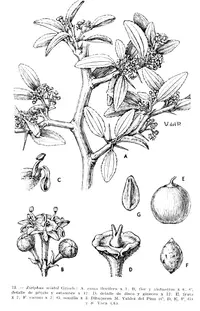
Mistol, Sarcomphalus mistol, is a small deciduous tree native to dry forests and savannas of Argentina, Bolivia, and Paraguay. It belongs to the Rhamnaceae family and is adapted to hot, seasonal climates.
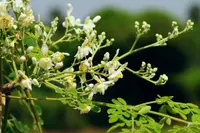
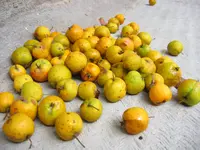
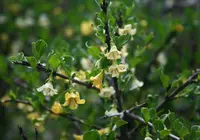
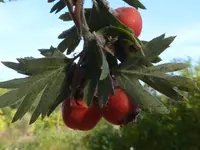
The plant usually has a rounded crown, small simple leaves, and thorny branches, with small flowers followed by edible, olive-brown fruits. Its deep root system and drought tolerance make it resilient but slower to establish in cultivation.
Gardeners who care for mistol should know it prefers full sun, well-drained soils, and low to moderate moisture, making it better suited to dry or semi-arid landscapes than to very wet sites.

Care Difficulty
Moderate Care

Light Preference
Full Sun

Water Requirements
Low Water

Temperature Preference
Warm Climate

Hardiness Zone
9–11

Soil Texture
Sandy, Loamy, Rocky

Soil pH
Slightly acidic (6.5–7.0), Slightly alkaline (7.0–7.5)

Soil Drainage
Well-drained

Fertilization
Minimal (feed rarely)
Scan your plant to receive care tips personalized for your specific plant
Available on iOS and Android
This sun-loving South American tree performs best with strong, direct light in warm climates.
This drought-tolerant tree prefers deep, infrequent watering once established.
This species thrives in warm, semi-arid to subtropical climates with mild winters.
This species is adapted to relatively dry air and usually does not need special humidity control.
Sarcomphalus mistol prefers mineral, well-drained soil that does not stay wet after rainfall or watering.
This species can be grown in containers when careful attention is given to root space and drainage.
Nutrient needs for Sarcomphalus mistol are moderate, especially in poor or exhausted soils.
Pruning Sarcomphalus mistol focuses on maintaining a strong framework and removing problem wood.
This species is usually grown in the ground, so management centers on careful transplanting rather than frequent repotting.
Sarcomphalus mistol is most practically propagated from seed, with semi-hardwood cuttings used less often.
This species is adapted to warm, frost-limited climates, so winter care is mainly about avoiding hard freezes.

Plant Health Check
Not sure what's wrong with your plant? Check your plant's health inside the app.
This species develops an exceptionally dense, heavy wood that has been traditionally valued in northern Argentina as a durable material for tools, fence posts, and charcoal, reflecting its slow, tough growth in semi-arid forests.
The small, dark drupes are eaten by local birds and mammals, which disperse the seeds, and in parts of the Gran Chaco region the sweet, astringent fruits have been used to prepare traditional foods and beverages.
It naturally grows in the Gran Chaco and other seasonally dry forests, where its thorny branches, drought tolerance, and deep root system help it withstand browsing animals and prolonged dry periods when growing mistol in its native range.

Archaeobotanical studies in the Gran Chaco have found mistol remains in pre-Columbian sites, showing that Indigenous cultures have used and managed this tree for hundreds of years as part of traditional agroforestry and food systems.
This tree grows at a moderate rate. In suitable conditions it typically adds 20–40 cm per year, sometimes more when young. Growth slows as the canopy fills out and root competition or drought increase.
Keep your plants happy and healthy with plant identification, disease detection, and easy care guidance.