Wind-smart staking
Stake young trees with 2–3 sturdy posts and flexible ties placed just above mid-height of the trunk to reduce wind rock while still allowing slight movement that strengthens the root system.

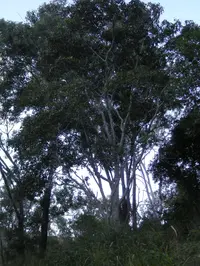
Burdekin plum, Pleiogynium timoriense, is a long-lived evergreen tree native to coastal rainforests of northern and eastern Australia and nearby regions. It is mainly grown for its edible, plum-like fruits and dense shade.
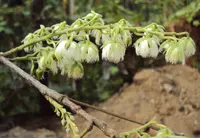
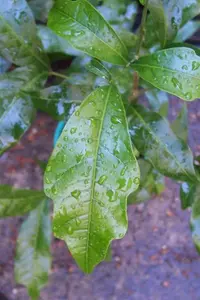
The tree has a rounded crown, glossy divided leaves, and seasonal flushes of small flowers followed by firm, purple to almost black fruit. Its strong root system and eventual large size make it better suited to spacious gardens than small yards.
Burdekin plum prefers warm climates, sun to light shade, and well-drained soil with steady moisture. Once established, it is relatively tough and low-maintenance, so learning how to care for Burdekin Plum mainly focuses on its size and climate needs.

Care Difficulty
Moderate Care

Light Preference
Full Sun

Water Requirements
Moderate Water

Temperature Preference
Tropical / Frost Sensitive

Hardiness Zone
10–12

Soil Texture
Sandy, Loamy, Organic-rich

Soil pH
Acidic (5.5–6.5), Slightly acidic (6.5–7.0)

Soil Drainage
Well-drained

Fertilization
Minimal (feed rarely)
Scan your plant to receive care tips personalized for your specific plant
Available on iOS and Android
Pleiogynium timoriense grows best in bright outdoor conditions with protection from harsh extremes of sun exposure.
Pleiogynium timoriense prefers consistently moist but not waterlogged soil once established in the landscape.
This species is a tropical to subtropical tree that grows best in warm, frost-free climates.
This species tolerates a wide humidity range and usually does not need special humidity management outdoors.
This species prefers well-structured, free-draining mineral soil that still holds moderate moisture.
This tree can be grown in large containers for some years, mainly in warm outdoor settings.
This species grows slowly and often manages in the ground without heavy feeding, but targeted fertilization supports healthier growth in young or container-grown Burdekin Plum trees.
Pleiogynium timoriense benefits from light, structured pruning to maintain a strong framework and safe, manageable size.
This tree is usually grown in the ground, so repotting mainly applies to young nursery plants or short-term container culture.
Propagation of Pleiogynium timoriense is usually done from seed and is moderately slow but manageable with steady conditions.
This subtropical tree has low frost tolerance and needs planning in regions with cold winters.

Plant Health Check
Not sure what's wrong with your plant? Check your plant's health inside the app.
The fruit turns from green to a deep purple-black as it ripens, and only the dark, soft stage is palatable, while the firmer unripe stages are notably sour and astringent.
In its native range in northern Australia and parts of Southeast Asia, this tree provides an important seasonal food source for fruit-eating birds, flying foxes, and other wildlife that disperse its large seeds.
The wood is very hard, heavy, and dark, and has been traditionally valued in northern Australia for uses that require dense, durable timber, such as tool handles and small craft items.

Burdekin plum trees can form large woody buttress roots at the base of the trunk, a structural adaptation that helps stabilize them in shallow or periodically waterlogged rainforest soils.
This species grows moderately, often adding 30–60 cm of height per year in good conditions. Growth is slower in poor soil or dry sites. Consistent moisture and mulch around the root zone support steady development when growing Burdekin Plum.
Keep your plants happy and healthy with plant identification, disease detection, and easy care guidance.