button mangrove Care (Conocarpus erectus)

Also known as: Silver-leaved Buttonwood, Green Buttonwood, Buttonwood
button mangrove

About button mangrove

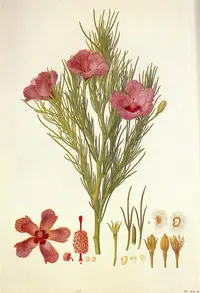
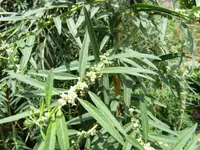
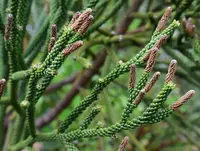
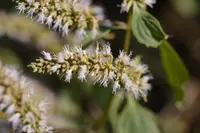
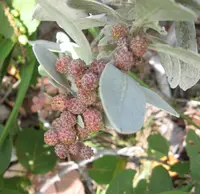
Button mangrove, Conocarpus erectus, is a coastal shrub or small tree often found along shorelines and brackish wetlands. It has small, leathery leaves and round, button-like seed clusters that give the plant its common name.

In nature it forms dense thickets and hedges, helping stabilize soil in salty, windy locations. It tolerates salt spray, drought, and pruning, which makes it useful for tough landscape sites in warm climates.

The plant prefers full sun, regular moisture when young, and well-drained, slightly salty or coastal soils. These hardy traits generally make it straightforward for those learning how to care for button mangrove.

Main Plant Requirements

Care Difficulty

Easy Care

Light Preference

Full Sun

Water Requirements

Regular Water

Temperature Preference

Tropical / Frost Sensitive

Hardiness Zone

10–12

Soil Texture

Sandy, Loamy

Soil pH

Slightly acidic (6.5–7.0), Slightly alkaline (7.0–7.5)

Soil Drainage

Waterlogged tolerant

Fertilization

Minimal (feed rarely)

Get Personalized Care Plan

Scan your plant to receive care tips personalized for your specific plant

Available on iOS and Android

How to Care for the button mangrove

This coastal shrub thrives in full sun but accepts light shade once established.

  • Provide 6–8 hours of direct sun daily; in hot inland areas, give morning sun with light afternoon shade to reduce leaf scorch.
  • Young button mangrove plants benefit from some filtered light during the first growing season while roots establish.
  • In dense shade, plants become sparse and leggy; increase light exposure gradually over 2–3 weeks to avoid sunburn on previously shaded foliage.

This species prefers evenly moist, well-drained soil but is highly tolerant of occasional dryness and salinity.

  • In the ground, water deeply when the top 5–8 cm of soil feels dry, aiming for a thorough soak rather than frequent light sprinklings.
  • Reduce watering in cool seasons; allow the soil to dry slightly deeper, and watch for drooping, dull foliage as a sign of underwatering.
  • Avoid waterlogged conditions; yellowing leaves, soft stems, and a sour smell from the soil indicate poor drainage and potential overwatering stress for Conocarpus erectus.

This coastal tree tolerates heat well but is sensitive to frost and prolonged cold.

  • Optimal growth occurs around 70–90°F (21–32°C), typical of warm coastal and subtropical climates.
  • The plant can survive short dips near 30–32°F (-1–0°C) but young shoots and leaves may be damaged; repeated frosts reduce vigor.
  • In hot summers above 95°F (35°C), ensure soil does not fully dry out and use mulch to buffer root temperatures, especially in exposed inland sites.

This coastal shrub tolerates a wide humidity range but grows best with moderately moist air.

  • Aim for 40–70% humidity, which is usually met outdoors in most coastal and warm-temperate regions.
  • Dry air is generally tolerated, but prolonged very low humidity can slow growth and increase leaf tip browning.
  • If foliage browns at the edges, increase humidity with nearby planting, mulch over the root zone, or occasional misting in hot, very dry weather.

This species naturally grows in sandy, often saline coastal soils but adapts well to structured, fast-draining mixes in cultivation.

  • Use a sandy or sandy-loam mix with 30–50% sharp sand plus a well-draining base such as cactus mix to mimic its native shoreline habitat.
  • Ensure rapid drainage; add coarse perlite or fine gravel (10–20%) to prevent waterlogging and improve root aeration.
  • Maintain slightly alkaline to neutral pH around 7.0–8.0, avoiding peat-heavy blends that trend strongly acidic and retain excess moisture.
  • In heavy or compacted native soil, build a raised bed or heavily amend the top 30–40 cm with sand and grit to prevent standing water around Conocarpus erectus roots.

This species can be grown in containers, especially when controlling size or in non-coastal landscapes.

  • Choose a deep, wide, and heavy container to provide root volume and resist wind tipping as the shrub becomes woody and top-heavy.
  • Select thick-walled clay or concrete pots outdoors to moderate moisture swings and improve stability in exposed, sunny sites.
  • Use extra drainage holes and a high-porosity mix so intense rain or irrigation clears quickly, preventing chronic saturation around the lower root zone.

Conocarpus erectus grows well in lean soils but benefits from light feeding in containers or poor substrates.

  • Use a balanced slow-release fertilizer or compost-based product at the start of spring for button mangrove in pots or managed landscapes.
  • Feed every 6–8 weeks during the warm growing season at 1/2 label strength to avoid salt buildup.
  • Stop fertilizing in late fall and through winter to allow natural rest and reduce weak, tender growth.
  • Rinse container soil with plain water occasionally to minimize accumulated salts, especially in coastal or arid regions.

Pruning Conocarpus erectus helps control size, maintain structure, and remove weak growth.

  • Carry out main pruning in late winter or early spring before vigorous new growth starts.
  • Remove dead, diseased, crossing, or inward-growing branches to improve light penetration and airflow.
  • Thin congested shoots rather than shearing, which preserves a natural form and stronger framework.
  • Use sharp, clean bypass pruners or loppers and make smooth cuts just outside the branch collar.

This species is usually grown in the ground, so focus on correct transplanting rather than frequent repotting.

  • Transplant in late spring or early summer once soil is warm and stable, avoiding very hot, dry periods.
  • Move when the root ball is firm, slightly root-bound in containers, or when growth slows despite good care.
  • Dig a wide planting hole, keep the root flare at soil level, and backfill with native soil, not rich mixes.
  • Water deeply after planting, then keep evenly moist for the first 4–6 weeks to limit transplant shock and support root establishment.

Conocarpus erectus is commonly propagated from semi-hardwood cuttings and seeds in warm conditions.

  • Take semi-hardwood cuttings in late spring or summer, 10–15 cm long, from healthy non-flowering shoots.
  • Dip cut ends in rooting hormone and place in a free-draining mix under high humidity and bright, indirect light.
  • Keep the medium just moist at 75–85°F to encourage rooting over several weeks.
  • Sow fresh seed in warm, well-drained sand or sandy mix, barely covered, and maintain consistent moisture until germination.

In mild coastal climates this species is fairly tolerant, but it is not suited to hard freezing winters.

  • Expect foliage and young growth to be damaged when temperatures drop much below 30°F, and stems to die back with harder frost.
  • Apply a 5–8 cm mulch layer around the root zone in fall in marginal climates, keeping mulch off the trunk.
  • In containers, shift plants into a bright, frost-free space before the first freeze and reduce watering during cool months.

Care Tips

Salt-Spray Hardening

If planting near the coast, gradually expose young plants to increasing salt spray and wind over 3–4 weeks by moving containers closer to the shore or windward side to build tolerance and reduce leaf burn.

Wind-Shape Training

In windy sites, selectively prune only competing leaders and inward-growing branches while leaving low, outward branches to act as windbreaks so the plant develops a broad, wind-firm canopy rather than a tall, top-heavy form.

Root-Flare Management

When planting or top-dressing with soil or mulch, always keep the root flare visible and slightly elevated above surrounding grade to reduce risk of trunk rot and improve oxygen access to surface roots.

Salinity Monitoring Routine

In landscapes irrigated with reclaimed or slightly brackish water, test soil electrical conductivity at least once a year and, if levels creep too high, apply a deep fresh-water flush to leach excess salts below the active root zone.

Hedge Density Control

For dense screening, tip-prune new growth lightly 2–3 times per growing season rather than making one hard cut, which encourages many short lateral shoots and a thicker hedge when growing button mangrove.

Common Pests and Diseases

Leaf spot

This disease causes irregular brown to black spots on older leaves, sometimes with yellow halos, and can lead to premature leaf drop in humid or coastal sites.

Solution

Remove and discard heavily spotted leaves, reduce overhead watering or irrigation hitting foliage, and improve air circulation around the canopy; in landscape or nursery settings, a copper-based fungicide can be used preventively during extended wet, warm periods as part of broader Conocarpus erectus care instructions.

Sooty mold

This disease appears as a black, soot-like coating on leaves and stems that develops on the sugary honeydew excreted by sap-feeding insects such as scales and whiteflies.

Solution

Control the underlying insect infestation with targeted methods such as horticultural oil or insecticidal soap, then gently wash affected foliage with water to remove the mold and improve light penetration.

Scale insects

These insects appear as small, immobile bumps on stems and leaf undersides, often causing yellowing, leaf drop, and reduced vigor, especially in stressed or tightly pruned hedges.

Solution

Prune and dispose of heavily infested twigs, then treat remaining foliage with horticultural oil or insecticidal soap, making sure to thoroughly coat stems and leaf undersides; repeat applications every 7–14 days until new growth appears clean.

Whiteflies

These insects are tiny, white, moth-like pests that fly up in clouds when branches are disturbed and feed on leaf sap, causing yellowing and honeydew that can lead to sooty mold.

Solution

Use yellow sticky traps to monitor populations, direct a firm stream of water to dislodge adults and nymphs from foliage, and apply insecticidal soap or horticultural oil to leaf undersides at intervals until activity is greatly reduced.

Leaf galls

Symptoms include swollen, distorted, or blistered leaf tissue, usually on new growth, caused by eriophyid mites or other gall-forming organisms responding to coastal or estuarine conditions where this shrub is common.

Solution

Prune out and discard gall-affected shoots during dry weather, avoid excessive nitrogen fertilization that promotes overly soft new growth, and maintain general plant vigor so the tree can tolerate minor gall damage without long-term decline.

Interesting Facts

Natural coastal engineer

Button mangrove forms dense thickets along tropical and subtropical shorelines, where its roots and stems help stabilize coastal soils and reduce erosion in brackish and saline habitats.

Remarkable salt tolerance

This species can tolerate highly saline water and soils by excluding much of the salt at root level and storing some in older leaves that are later shed, an adaptation typical of true mangroves.

Button-like fruit heads

Its small, woody fruits are packed into rounded, button-shaped clusters called infructescences, which give rise to the common name button mangrove and provide shelter and food resources for various invertebrates.

Botan icon

Did you know?

In parts of the Caribbean and tropical Americas, button mangrove wood has been valued as an excellent fuel and charcoal source because it is very dense, burns hot, and was historically used for smoking and curing fish and meat.

FAQs about button mangrove

Growth is moderate to fast in warm coastal climates, often 30–90 cm per year when young under good conditions. Rate slows as it matures and is strongly influenced by soil salinity, moisture, and nutrient availability.

Grow Healthy Plants with Botan Care

Keep your plants happy and healthy with plant identification, disease detection, and easy care guidance.

Botan plant care app — identify plants on mobile

Explore More Plants