Pogostemon glaber Care

About Pogostemon glaber

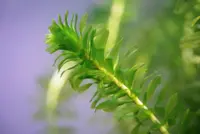
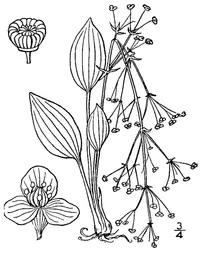
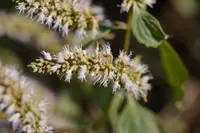
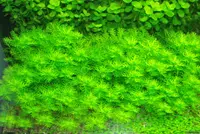
Pogostemon glaber is an aquatic to semi-aquatic herb from the mint family, often used in freshwater aquariums and wet landscapes. It forms upright, bushy clumps with fine, narrow leaves that give a soft, textured look under water.

This species occurs naturally in parts of South and Southeast Asia, typically in shallow, slow-moving waters and seasonally flooded areas. It adapts well to submerged growth when light is sufficient.

Stable water conditions, consistent moisture, and moderate to bright light usually make it manageable for hobbyists, though it can be sensitive to abrupt changes. Understanding how to care for Pogostemon glaber mainly involves providing stable, clean water and avoiding large environmental swings.

Main Plant Requirements

Care Difficulty

Moderate Care

Light Preference

Partial Shade

Water Requirements

Aquatic

Temperature Preference

Tropical / Frost Sensitive

Hardiness Zone

Unknown

Soil Texture

Silty, Organic-rich

Soil pH

Acidic (5.5–6.5), Slightly acidic (6.5–7.0)

Soil Drainage

Waterlogged tolerant

Fertilization

Moderate (every 2–4 weeks)

Get Personalized Care Plan

Scan your plant to receive care tips personalized for your specific plant

Available on iOS and Android

How to Care for the Pogostemon glaber

This species prefers bright, indirect light with some protection from intense midday sun.

  • Provide 4–6 hours of gentle morning sun or filtered light; avoid harsh afternoon exposure that can scorch leaves and stunt growth.
  • Plant where it receives dappled shade for the rest of the day; partial shade is tolerated, but deep shade leads to leggy, pale stems.
  • In summer, increase shade during heatwaves to prevent leaf burn; in winter, choose the brightest spot available to support steady growth when caring for Pogostemon glaber.

This plant prefers consistently moist but not waterlogged conditions.

  • Water when the top 2–3 cm of soil feels slightly dry, aiming to keep the root zone evenly damp without standing water.
  • Use a well-draining substrate; roots sitting in soggy soil develop rot, yellowing leaves, and soft stems, especially in cool weather.
  • Reduce watering frequency in cooler months when growth slows, but never allow the soil to dry out completely, watching for drooping or crisp leaf edges as underwatering signs.

This species prefers warm, stable conditions without frost or extreme heat fluctuations.

  • Aim for 72–82°F (22–28°C) for strongest growth; mild variation outside this range is usually tolerated if changes are gradual.
  • Keep above 55°F (13°C); prolonged exposure near this minimum can slow growth, while brief drops below may damage foliage and stems.
  • In hot periods above 90°F (32°C), provide extra shade and good air movement; in cooler seasons, protect from drafts and sudden temperature swings to maintain steady growth.

This species appreciates moderately humid air but copes with typical indoor levels.

  • Aim for 50–70% humidity to keep Pogostemon glaber foliage firm and growth steady.
  • Leaves curling inward, browning tips, and slowed growth indicate air that is too dry.
  • Use a pebble tray, group plants, or place near a humidifier rather than misting heavily to raise humidity.

This plant prefers moist, well‑aerated, nutrient‑rich substrate that never turns stagnant.

  • Use a loose loamy mix such as 50% peat or coco coir, 30% fine sand, and 20% perlite for structure and drainage.
  • Ensure constant drainage so the mix stays moist but not waterlogged, which reduces oxygen around roots and encourages rot.
  • Target slightly acidic to neutral pH around 6.0–7.0 for balanced nutrient uptake and stable growth.
  • Avoid heavy clay, compacted garden soil, or mixes that stay soggy, and add extra perlite or sand if water lingers on the surface.

This species is suitable for container growing when moisture and stability are controlled carefully.

  • Choose a wider, shallow container to accommodate lateral root spread and keep the substrate evenly moist.
  • Use a pot with generous drainage holes and keep the saucer emptied so water does not reabsorb into the root zone.
  • Select plastic or glazed ceramic to slow drying, especially outdoors in sun or wind, and place the pot where it cannot tip easily.

This species benefits from light, steady feeding during active growth but does not require heavy fertilization.

  • Use a balanced liquid fertilizer (for example 10-10-10) at 1/4–1/2 label strength for Pogostemon glaber during the main growing season.
  • Apply every 2–4 weeks in spring and summer, onto already moist substrate to limit root burn risk.
  • Reduce feeding to once every 6–8 weeks in fall and stop during winter dormancy or very slow growth.
  • In nutrient-rich substrates, consider a mild slow-release product or thin compost layer instead of frequent liquid feeding.

Light, purposeful pruning keeps this plant compact and encourages denser foliage.

  • Carry out most pruning in late winter or early spring before strong new growth starts.
  • Remove dead, damaged, or weak stems first, then thin crowded shoots to improve light and air penetration.
  • Shorten overly long stems above a leaf node to shape the plant and stimulate branching.
  • Use clean, sharp scissors or small pruners, disinfected between plants to lower disease risk for Pogostemon glaber.

Container-grown plants appreciate occasional repotting, while in-ground plants respond well to careful transplanting when needed.

  • Plan repotting or transplanting in early spring when growth is resuming but temperatures are mild.
  • Look for roots circling the pot base, slow growth despite good care, or rapid drying soil as signs a larger container is needed.
  • Shift to a pot 2–5 cm wider with fresh, well-drained mix, keeping the root ball at the same depth as before.
  • Water thoroughly after moving, shade from strong sun for several days, and avoid heavy fertilization until new growth appears.

New plants are most often raised from cuttings or division, with seeds used less frequently for home growers.

  • Take 7–10 cm softwood or semi-ripe stem cuttings in late spring or early summer from healthy, non-flowering shoots.
  • Remove lower leaves, insert cuttings into a moist, free-draining medium, and maintain high humidity and gentle bottom warmth if possible.
  • Divide mature clumps in spring, keeping several shoots and a good root portion on each division for better establishment.
  • For seeds, sow on the surface of fine, moist mix, keep at 68–75°F with bright, indirect light, and maintain consistent moisture.

This plant prefers mild winters and benefits from basic protection in colder climates.

  • In regions with frost, grow Pogostemon glaber in containers and move indoors or to a frost-free greenhouse before temperatures drop near 32°F.
  • For in-ground plants in marginal climates, apply a 5–8 cm mulch layer around the root zone, keeping mulch off stems.
  • Reduce watering in winter, allowing the top layer of soil to dry slightly between waterings to prevent cold, soggy roots.

Care Tips

Encourage Compact Growth

Trim the stem tips lightly after each major growth flush to keep the plant dense and bushy, rather than letting a few stems become tall and weak.

Refresh Aquarium Flow

In aquariums, position the plant where it receives gentle water movement, then periodically adjust filter outlets or circulation pumps so no single side of the clump is constantly shaded or battered by current.

Staggered Replanting

When stems grow tall and lower leaves thin out, cut the healthiest top portions and replant them in small groups over several weeks so the planting stays full without a sudden bare patch.

Root Zone Hygiene

During maintenance, gently siphon debris from around the base of the stems to prevent organic buildup that can suffocate roots and promote algae on the lower parts of the plant.

Monitor Nutrient Balance

If new leaves appear pale while older ones stay green, increase micronutrient dosing slightly, but if older leaves yellow first, focus on adding a modest amount of nitrogen and potassium, which is a key distinction for effective Pogostemon glaber care.

Common Pests and Diseases

Spider mites

This pest often appears on fine, submerged foliage in warm, low-flow aquariums and feeds on plant sap, causing pale, stippled, or browning leaves. Symptoms include fine webbing between stems and leaf segments and gradual thinning of the stand.

Solution

Rinse affected stems under running, dechlorinated water, prune heavily damaged foliage, and increase water movement around the plant. In emersed or riparium culture, wipe foliage with a soft cloth dipped in insecticidal soap solution and, if needed, repeat treatment weekly until no new webbing appears.

Aquatic snails

These insects are not involved; instead, small snails such as pond snails and ramshorn snails graze on tender new shoots and soft leaf tips, especially in nutrient-rich tanks. Symptoms include irregular holes, shredded leaf margins, and missing soft growth points while older stems remain intact.

Solution

Manually remove visible snails and egg clutches, use snail traps, and reduce overfeeding of fish to limit snail expansion. For persistent problems, introduce natural predators compatible with the aquarium (such as certain loach species) and replant only firm, healthy Pogostemon stems after a thorough substrate check.

Hair algae

This disease is not involved; instead, filamentous algae readily colonize the finely divided leaves in bright light and high nutrients, smothering the plant and blocking light. Symptoms include fuzzy, green threads that cling to stems and trap debris, causing slowed growth and leaf loss.

Solution

Manually remove as much algae as possible by twirling it out with a brush or chopstick, then adjust light duration and intensity while improving nutrient balance and CO2 supply. Increase water changes, maintain stable fertilization, and ensure good flow around the plant so organic waste does not accumulate in the foliage, which supports long-term Pogostemon glaber care.

Leaf melt

This disease-like response is a physiological reaction when the plant transitions between emersed and submerged growth or when water parameters change abruptly. Symptoms include rapid yellowing, transparent patches, and disintegration of older leaves while the stem base and roots remain viable.

Solution

Remove decaying leaves promptly to prevent fouling the water, but leave healthy stem bases in place to resprout. Stabilize temperature, hardness, and pH, avoid large swings in CO2 or light, and allow new submerged-form foliage to grow in undisturbed over several weeks.

Nutrient deficiency

Symptoms include pale, yellowing, or pinkish new growth, stunted shoots, and thin, brittle stems in high-light setups where nutrient demand is high. This problem often appears when iron, potassium, or nitrate levels are too low relative to light and CO2 supply.

Solution

Increase and balance fertilization, using a complete aquatic fertilizer that provides both macroelements (N, P, K) and trace elements such as iron. Monitor plant response over 1–2 weeks, adjust dosing gradually, and combine with stable CO2 and good circulation so nutrients reach all parts of the plant.

Interesting Facts

Seasonal stream specialist

This species naturally grows on periodically exposed stream and river margins in parts of India, where it experiences strong water flow during the monsoon and lower water levels in the dry season.

Strong clumping habit

Unlike some related species that creep, this plant forms tight, upright clumps from a robust root system, which helps it stay anchored in fast-moving water and keeps individual shoots from spreading widely.

Submerged leaf adaptation

Its submerged leaves are narrow and finely divided, increasing surface area for gas exchange and reducing drag in flowing water, an adaptation that differs from the broader, more textured leaves of many terrestrial mint relatives.

FAQs about Pogostemon glaber

Brown tips or edges usually result from low humidity, accumulated fertilizer salts, or irregular moisture around the roots. Rinse the substrate, maintain stable water conditions, trim damaged foliage, and avoid sudden changes in temperature or light intensity.

Grow Healthy Plants with Botan Care

Keep your plants happy and healthy with plant identification, disease detection, and easy care guidance.

Botan plant care app — identify plants on mobile

Explore More Plants