Pigvine Care (Gunnera magellanica)

Pigvine

About Pigvine

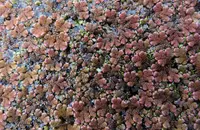
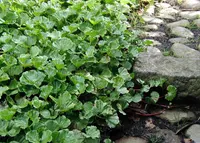
Pigvine (Gunnera magellanica) is a low-growing, creeping perennial often used as a dense groundcover in cool, damp gardens. It forms small, rounded, slightly leathery leaves that create a carpet-like mat over the soil.

This species is native to southern South America, where it grows in moist meadows, stream edges, and damp woodland clearings. It prefers cool summers, steady moisture, and rich, humus-based soil, which can make it more demanding in hot or dry climates.

Gardeners who care for Pigvine need to provide consistent moisture and protection from strong heat and drying winds. In suitable conditions it spreads steadily and can form an attractive, weed-suppressing cover.

Main Plant Requirements

Care Difficulty

Moderate Care

Light Preference

Partial Shade

Water Requirements

Keep Soil Moist

Temperature Preference

Cool Climate

Hardiness Zone

6–9

Soil Texture

Loamy, Silty, Organic-rich

Soil pH

Acidic (5.5–6.5), Slightly acidic (6.5–7.0)

Soil Drainage

Moist but well-drained

Fertilization

Minimal (feed rarely)

Get Personalized Care Plan

Scan your plant to receive care tips personalized for your specific plant

Available on iOS and Android

How to Care for the Pigvine

This low-growing species prefers cool, consistently moist sites with gentle light levels.

  • Provide 3–5 hours of soft morning sun with bright, filtered light or open shade for the rest of the day, especially in warmer climates.
  • In hot summers, protect Pigvine from strong midday and afternoon sun to prevent leaf scorch; use dappled shade from trees or shade cloth where exposure is high.
  • In cooler coastal or northern areas, it tolerates more direct sun, but always keep the root zone shaded by mulch or neighboring plants.

This plant thrives in uniformly moist soil and resents drying out completely.

  • Aim for soil that feels consistently damp 2–5 cm deep; never allow it to become powdery dry, especially during active growth.
  • In spring and summer, increase watering when surface soil starts to lose its sheen, while ensuring the site drains slowly rather than forming deep standing water.
  • Reduce watering in late fall and winter, but do not let Gunnera magellanica sit bone dry; yellowing, limp leaves can signal underwatering, while blackened crowns suggest chronic saturation.

This species prefers cool, mild conditions and dislikes extremes at either end of the temperature range.

  • Ideal growth occurs around 55–70°F (13–21°C), especially in moist, sheltered locations with protection from hot, drying winds.
  • Mature plants tolerate brief dips to about 20°F (-6°C) with mulch protection over the crown, but repeated hard freezes below this can damage or kill buds.
  • In hot climates, prolonged periods above 80°F (27°C) can stress plants; increase shade and soil moisture during heat waves to reduce leaf scorch and wilting.

This plant prefers consistently moist, cool air and benefits from moderately high humidity.

  • Aim for 50–70% humidity, especially in warmer weather, to reduce leaf edge browning and wilting.
  • Pigvine tolerates brief drier air but prolonged humidity below 40% can cause crisp leaf tips and reduced growth.
  • Increase humidity outdoors by planting near a pond or water feature, or use grouped containers with trays of damp gravel in hotter, drier spots.

This species prefers consistently moist, organic-rich soil that does not dry out.

  • Use a deep, loamy mix with high organic matter, such as 50–70% composted bark or leaf mold blended with garden loam.
  • Ensure slow but steady drainage; soil should stay damp like a wrung-out sponge, never waterlogged or dusty dry.
  • Target slightly acidic to neutral pH around 5.5–7.0 for reliable nutrient uptake and stronger growth in Gunnera magellanica.
  • Improve aeration by mixing in coarse sand or fine gravel near the surface while keeping the lower profile rich in humus for moisture retention.

This plant can be grown in containers, but only if moisture needs are carefully managed.

  • Choose a wide, heavy container to anchor the spreading root system and reduce tipping in windy, exposed spots.
  • Use a deep pot that allows a thick, consistently damp root zone while still leaving space at the top for mulch.
  • Line the inside of terracotta pots with a thin plastic barrier to slow evaporation while keeping drainage holes fully open.

Gunnera magellanica is a moisture-loving groundcover that benefits from light, steady nutrition rather than heavy feeding.

  • Apply a thin layer of rich compost around plants in early spring to support new growth when caring for Pigvine.
  • Use a balanced slow-release fertilizer (around 10-10-10) at half strength once in spring and again mid-summer if soil is poor.
  • Keep soil consistently moist after feeding to help nutrients move into the root zone and avoid fertilizer burn.
  • Stop fertilizing in late summer so growth can harden before winter dormancy.

Gunnera magellanica needs only light pruning to stay tidy and healthy.

  • In late winter or early spring, remove dead or damaged leaves with clean hand pruners or sharp scissors.
  • Thin congested or overlapping stems to improve air flow and reduce foliar disease in damp sites.
  • Trim back wayward runners to keep the groundcover within bounds and maintain a uniform mat.
  • Collect and dispose of diseased foliage rather than composting to limit fungal problems.

This species is more often transplanted in the garden than grown long term in containers.

  • Plan transplanting for early spring or early fall when temperatures are mild and soil is moist.
  • Move plants if growth stalls, clumps become overcrowded, or roots circle the container and emerge from drainage holes.
  • Lift with a wide root ball, keeping as much soil around the roots as possible to minimize disturbance.
  • Replant at the same depth, water thoroughly, and shade lightly for 3–7 days to reduce transplant shock.

Gunnera magellanica is commonly propagated by division and sometimes from seed.

  • Divide established clumps in early spring, lifting sections with several shoots and healthy roots.
  • Replant divisions immediately into moist, humus-rich soil and water well to settle soil around roots.
  • Sow fresh seed on the surface of a damp, fine seed mix; do not bury, as light can aid germination.
  • Maintain cool to mild temperatures (55–65°F) and constant moisture until seedlings or divisions are established.

This plant is fairly cold hardy but benefits from simple winter care in colder regions.

  • In USDA zones around 6–7, it usually survives typical winters if soil stays moist but not waterlogged.
  • After the first hard frost, leave some old foliage in place until it collapses to help insulate crowns.
  • Apply a 5–8 cm layer of leaf mulch around the root zone in exposed or colder gardens.

Care Tips

Summer moisture trench

In larger plantings, create a shallow trench upslope and fill it with coarse organic matter so runoff slowly seeps toward the plants, helping to keep the root zone evenly moist during warm, dry spells when growing Pigvine.

Mulch as root shield

Apply a 5–8 cm layer of leaf mold or fine bark around, but not against, the crowns to reduce soil splash on foliage, keep roots cool, and limit weed competition that can dry the site.

Crown winter protection

In colder regions, cover the crowns with a loose mound of fallen leaves or straw held by a mesh or branch frame after the first hard frost to reduce freeze–thaw damage and crown rot risk.

Moisture mapping

Before planting a large area, map where water naturally lingers after rain and place plants only in the consistently damp patches to avoid repeated losses in spots that dry too quickly.

Edge containment strips

Install shallow, flexible edging strips sunk 3–5 cm deep around beds to slow the spread of creeping rhizomes into lawns or paths while still allowing the mat to fill in within its designated area.

Common Pests and Diseases

Slugs and snails

This pest is strongly attracted to the plant’s soft, moisture-loving foliage, especially young leaves and new shoots. Symptoms include large irregular holes, shredded leaf edges, and slime trails on or around the plant.

Solution

Hand-pick at dusk or after rain, use iron phosphate slug pellets according to label directions, and place physical barriers such as copper tape or rough gravel around clumps. Reduce hiding spots by clearing dense debris, but keep the soil consistently moist to match proper Gunnera magellanica plant care needs.

Crown rot

This disease develops in waterlogged, poorly drained soil and attacks the central growing point at the base of the plant. Symptoms include a soft, brown, foul-smelling crown, collapse of leaves from the center, and poor new growth.

Solution

Remove and discard all affected crown tissue and any severely damaged plants, then improve drainage by raising the planting area and avoiding standing water. Maintain evenly moist but not saturated soil, and avoid burying the crown too deeply or mulching directly against it.

Leaf spot (fungal)

This disease appears in prolonged damp, cool conditions on dense groundcover foliage. Symptoms include small water-soaked spots that enlarge into brown or tan lesions, sometimes merging to cause partial leaf dieback.

Solution

Remove and discard affected leaves to reduce spore spread, and thin or divide dense mats to improve air movement over the foliage. Water at soil level rather than overhead and, in persistent cases, apply a labeled ornamental fungicide according to instructions during wet periods.

Vine weevils

These insects damage the plant both as adults and larvae. Symptoms include notched leaf margins from adult feeding and sudden wilting or stunted growth when larvae chew on roots and underground stems.

Solution

Inspect foliage at night and remove adult beetles by hand, and avoid leaving the soil overly dry or compacted, which favors larvae around the roots. In severe infestations, use beneficial nematodes targeting vine weevil larvae in spring and late summer, following product directions carefully.

Interesting Facts

Natural moss mimic

This species forms very low, mat-like growth with tiny leaves that resemble a coarse moss, allowing it to cover cool, wet ground in subantarctic regions of southern Chile and Argentina.

Subantarctic specialist

It is naturally adapted to cold, windy, oceanic climates close to sea level, often growing near bogs, stream margins, and wet tundra-like habitats in Tierra del Fuego and surrounding areas.

Miniature relative of giants

Although closely related to the giant Gunnera species with enormous leaves, this plant has leaves usually only a few centimeters across, making it an unusual dwarf member of a mostly large-leaved genus.

Botan icon

Did you know?

Unlike many of its larger relatives in the genus, this species does not host visible colonies of nitrogen-fixing cyanobacteria in specialized stem glands, so it lacks the pronounced symbiotic nitrogen acquisition seen in giant Gunnera species.

FAQs about Pigvine

This species spreads slowly to moderately by creeping rhizomes, forming a low mat over time. It is usually controllable in gardens. Edging, root barriers, or lifting stray runners once or twice a year keeps it in bounds.

Grow Healthy Plants with Botan Care

Keep your plants happy and healthy with plant identification, disease detection, and easy care guidance.

Botan plant care app — identify plants on mobile

Explore More Plants