Hoover's calicoflower Care (Downingia bella)

Hoover's calicoflower

About Hoover's calicoflower

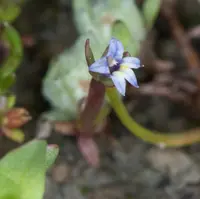
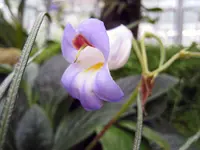
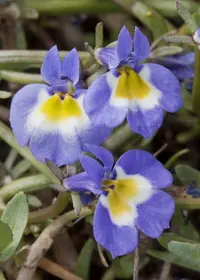
Hoover's calicoflower (Downingia bella) is a small annual wildflower in the bellflower family, valued for its delicate, bicolored blooms. It typically forms low clumps with slender stems topped by showy, tubular flowers in shades of blue, violet, and white.

This species is native to seasonal wetlands and vernal pools in California, where it grows during the cool, moist part of the year and dies back as soils dry. Its preference for moist, well-drained soil and cool conditions makes it somewhat challenging outside similar climates, so planning is important if you want to care for Hoover's calicoflower.

Downingia bella suits naturalistic plantings, native habitat gardens, or collectors interested in ephemeral, cool-season annuals with a short but striking flowering period.

Main Plant Requirements

Care Difficulty

Moderate Care

Light Preference

Full Sun

Water Requirements

Keep Soil Moist

Temperature Preference

Cool Climate

Hardiness Zone

7–10

Soil Texture

Loamy, Silty, Organic-rich

Soil pH

Acidic (5.5–6.5), Slightly acidic (6.5–7.0)

Soil Drainage

Moist but well-drained

Fertilization

Minimal (feed rarely)

Get Personalized Care Plan

Scan your plant to receive care tips personalized for your specific plant

Available on iOS and Android

How to Care for the Hoover's calicoflower

This annual wildflower prefers bright, gentle light that mimics open, seasonally wet meadows.

  • Provide 4–6 hours of morning sun with light afternoon shade; full, harsh afternoon sun can scorch leaves and fade blooms.
  • Allow bright, filtered light or high, open shade in hotter regions so Hoover's calicoflower does not dry out too quickly.
  • In spring, ensure an open position with little overhead competition; in peak summer, protect from reflected heat from walls, rocks, or pavement.

This species is adapted to seasonally wet conditions and needs steadily moist but not stagnant soil during active growth.

  • Keep soil evenly moist while plants grow and flower, allowing only the top 1–2 cm to lose surface sheen before the next thorough soak.
  • Choose soil that drains freely yet holds moisture; pooling water for more than a few hours or a sour smell indicates poor drainage and risk of rot in Downingia bella.
  • Wilting with dry, crumbly soil signals underwatering, while yellowing, soft stems or algae on the surface suggest excess moisture.

This cool-season annual grows best in mild temperatures and declines as heat intensifies.

  • Aim for 55–70°F (13–21°C) during active growth; germination and early development are most reliable in this range.
  • Protect plants from frost; light dips to 32°F (0°C) may damage foliage, and hard freezes below 28°F (-2°C) can kill seedlings or flowering plants.
  • As temperatures exceed 80–85°F (27–29°C), flowering shortens and plants may dry and set seed quickly, so favor spring or cool coastal conditions.

This annual wildflower prefers moderately moist air but usually adapts to typical outdoor humidity levels.

  • Aim for 40–60% humidity in outdoor or greenhouse settings when caring for Hoover's calicoflower.
  • It tolerates brief drier air if soil moisture is consistent, but prolonged hot, dry winds can stress plants.
  • Watch for wilting or crisp leaf edges during dry spells and use nearby shallow water trays or grouped plantings to slightly raise local humidity.

Downingia bella thrives in moist, fine-textured soils that never dry out completely during its growth period.

  • Use a mix of 50% fine loam, 30–40% peat or coir, and 10–20% sharp sand to mimic moist meadow or vernal pool edges.
  • Keep drainage slow but not stagnant; soil should stay evenly wet yet avoid standing water for more than a day.
  • Target a slightly acidic to neutral pH around 6.0–7.0 for reliable germination and root function.
  • Avoid compacted clay, heavily manured beds, or very gravelly substrates, which either suffocate roots or dry too quickly for Downingia bella.

This species can be grown in containers if the pot is managed to stay evenly moist and not allowed to dry out.

  • Choose a wide, shallow container to accommodate the relatively shallow root system while maintaining uniform surface moisture.
  • Select a non-porous pot material such as plastic to slow evaporation and keep the soil consistently damp.
  • Raise the container slightly on blocks so excess water drains freely without sealing the drainage holes against the ground.

Downingia bella is an annual wildflower that usually needs no fertilizer in natural or lean garden soils.

  • If grown in a container or poor substrate, use a dilute balanced liquid fertilizer (such as 10-10-10) at 1/4 strength.
  • Feed lightly every 3–4 weeks only during active spring growth and flowering when caring for Hoover's calicoflower.
  • Avoid fertilizing in late summer or during dormancy to prevent weak, lush growth and reduced flowering.
  • Skip heavy compost or rich slow-release products, which can cause floppy stems and fewer blooms.

Downingia bella needs only light pruning focused on spent flowers and end-of-season cleanup.

  • Deadhead fading blooms during flowering to keep plants tidy and slightly extend display.
  • Use small clean scissors or snips to remove dead or damaged stems without tearing tissue.
  • Thin any crowded, tangled growth to improve air movement and reduce foliar disease risk.
  • At season’s end, allow some stems to dry and set seed, then remove dry material at ground level.

This species is usually grown as a seasonal bedding or wildflower, so transplanting timing matters more than container size.

  • Transplant young seedlings in early to mid spring once frost risk is past and soil is workable.
  • Move plants before roots become pot-bound; avoid disturbing roots once flowering buds form.
  • Handle root balls gently, keeping soil intact, and water thoroughly after planting to settle soil and reduce stress.
  • Choose a sunny, well-drained site and avoid moving plants again during the same season.

Downingia bella is primarily propagated from seed rather than vegetative methods.

  • Sow fresh seed in fall or very early spring, following the natural cool-season cycle of many annual wildflowers.
  • Use a fine, well-drained seed mix and barely cover seeds, as they benefit from light exposure for germination.
  • Keep the substrate evenly moist but not waterlogged until seedlings establish strong root systems.
  • Thin crowded seedlings early to reduce competition and encourage sturdy individual plants.

As a cool-season annual, this plant usually completes its life cycle before harsh winter and needs little specific winter care.

  • In mild climates, allow seed heads to dry and drop seed for natural self-sowing.
  • Where hard frosts occur, collect seed before soil freezes for controlled sowing next season.
  • Container-grown plants can simply be discarded and containers cleaned and stored for future use.

Care Tips

Shallow sowing strategy

Sow seeds in a very thin layer of fine sand or sifted mix over the surface so emerging seedlings can easily break through while still gaining enough darkness to trigger germination.

Moisture basin setup

Place pots or trays inside a shallow, watertight tray and water into the outer tray so the root zone stays evenly moist while the seed and crown area stays less wet, which reduces damping-off risk.

Cool-start scheduling

Start seeds late winter to early spring in a cool, bright place (around 50–60°F) so plants reach flowering size just as outdoor temperatures rise, which aligns growth with their natural seasonal pattern.

Succession sowing plan

Sow small batches of seed every 10–14 days at the start of the season to extend the overall flowering window and reduce the impact if one batch fails due to weather shifts.

Ephemeral bed management

Treat the container or bed as a seasonal display, allow plants to complete their life cycle, then remove old material, loosen the upper 5–8 cm of soil, and re-sow the next year, which is a practical approach to growing Hoover's calicoflower in home gardens.

Common Pests and Diseases

Botrytis blight

This disease often appears in cool, damp weather on dense stands of plants, leading to brown, water-soaked spots on flowers and foliage that develop gray, fuzzy mold. Symptoms include rapid collapse of flower clusters and mushy tissue at the crown.

Solution

Remove and discard affected plants and nearby plant debris to reduce spore sources, and avoid overhead watering or thick sowing that keeps foliage wet. Improve air movement around the planting and, in wet seasons, consider a preventive spray with a labeled ornamental fungicide, especially in areas where Botrytis is a recurring problem when growing Downingia bella.

Powdery mildew

This disease shows as a white, powdery coating on leaves, stems, and sometimes flower parts, often during periods with warm days and cool nights. Symptoms include distorted new growth and reduced flowering if infection is heavy.

Solution

Thin overcrowded patches to improve airflow and avoid excess nitrogen fertilization, which promotes soft, mildew-prone growth. At first signs, remove heavily affected material and, if needed, use a sulfur or potassium bicarbonate fungicide labeled for ornamentals, applied according to label directions to protect new leaves.

Aphids

These insects cluster on tender stems and flower stalks, sucking sap and excreting sticky honeydew that can lead to sooty mold on foliage. Symptoms include curled or distorted new growth and a general decline in vigor.

Solution

Wash colonies off with a firm stream of water, especially on young plants, and remove heavily infested stems if practical. Encourage natural predators such as lady beetles, avoid overfertilizing with nitrogen, and, if populations remain high, use an insecticidal soap or horticultural oil spray, coating undersides of stems and buds.

Slugs and snails

These pests feed on succulent foliage and young stems, leaving irregular holes and shredded edges, especially in moist, low-lying planting sites. Symptoms include missing seedlings, chewed leaf margins, and shiny slime trails on soil and plant material.

Solution

Hand-pick slugs and snails in the evening or early morning and reduce hiding places such as thick mulch or boards on the soil surface. Use iron phosphate slug baits around planting areas as needed and water in the morning so foliage and soil surface dry before night, making the site less attractive.

Interesting Facts

California vernal pool specialist

This annual species is naturally restricted to seasonal vernal pools and wet depressions in central California, where it completes its life cycle quickly as the pools fill and then dry.

Distinctive tricolored corolla

The flowers show a characteristic pattern of blue to violet lobes with a contrasting white and yellow patch on the lower lip, forming a clear nectar guide that helps direct native bee pollinators toward the reproductive organs.

Endemic and localized range

Downingia bella is endemic to California, meaning it occurs naturally nowhere else in the world, and it is known from a relatively limited set of populations within the state’s lowland habitats.

Botan icon

Did you know?

The species was named in honor of the American botanist Willis Linn Jepson, who first described it formally and recognized its distinctiveness among other closely related Downingia species occurring in California’s seasonal pools.

FAQs about Hoover's calicoflower

This species behaves as a cool-season annual in cultivation. It germinates in fall or late winter, grows and flowers in spring, then dies after setting seed. New plants come from fresh seed each year.

Grow Healthy Plants with Botan Care

Keep your plants happy and healthy with plant identification, disease detection, and easy care guidance.

Botan plant care app — identify plants on mobile

Explore More Plants