Water Depth Control
Maintain a shallow, stable water depth of 3–10 cm using trays or low tubs so fronds stay afloat but do not pile up and shade each other excessively.

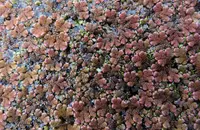
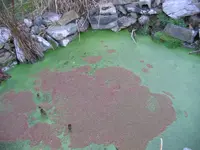
Red azolla (Azolla rubra) is a small floating aquatic fern often used in ponds, water gardens, and naturalistic containers. It forms dense, soft mats on the water surface. The foliage shifts from green to red tones in cooler or brighter conditions, giving strong color contrast. Plants spread quickly by branching and fragmentation rather than by showy flowers. Azolla rubra occurs naturally in still or slow-moving freshwater in Australia, New Zealand, and parts of Asia. Its rapid growth and preference for calm, shallow, nutrient-rich water make it easy to establish but sometimes challenging to control. Understanding how to care for Red Azolla helps keep it healthy without letting it overrun a water feature.

Care Difficulty
Moderate Care

Light Preference
Partial Sun

Water Requirements
Aquatic

Temperature Preference
Warm Climate

Hardiness Zone
9–11

Soil Texture
Peaty, Organic-rich

Soil pH
Acidic (5.5–6.5)

Soil Drainage
Waterlogged tolerant

Fertilization
Minimal (feed rarely)
Scan your plant to receive care tips personalized for your specific plant
Available on iOS and Android
This floating fern prefers bright, gentle light rather than intense, all-day sun.
This aquatic fern must stay in consistently shallow, still or very slow-moving water.
This species prefers mild conditions and declines in strong frost or extreme heat.
This floating fern needs very high humidity and constant surface moisture to stay healthy.
This aquatic species grows best anchored in very shallow, organic-rich, still water rather than conventional potting soil.
This species is well suited to shallow container culture outdoors or in unheated greenhouses.
This floating fern obtains much of its nitrogen from symbiotic cyanobacteria, so Azolla rubra needs only light supplemental feeding in culture.
Pruning Azolla rubra is mainly about biomass control and maintaining healthy, well-lit water surfaces.
This species is usually grown free-floating, so transplanting Azolla rubra focuses on moving healthy fragments to new water bodies or containers.
Azolla rubra is most commonly propagated by division of floating mats rather than by spores in home or small-pond settings.
This floating fern has limited frost tolerance and often declines or dies back in cold winters, especially in small containers.

Plant Health Check
Not sure what's wrong with your plant? Check your plant's health inside the app.
This species often develops a strong red coloration in cool, high‑light conditions due to increased anthocyanin pigments, which help protect its tissues from light and temperature stress.
Like other Azolla species, it hosts the cyanobacterium Nostoc azollae inside its leaf cavities, allowing the plant to fix atmospheric nitrogen and thrive in nutrient‑poor, still or slow‑moving freshwater.
Azolla rubra is naturally distributed across parts of Australia, New Zealand, and some Pacific islands, where it commonly forms dense floating mats on farm dams, ponds, and slow streams.

In parts of New Zealand and southeastern Australia, dense surface mats of Azolla rubra can rapidly shade out submerged vegetation and strongly reduce light penetration into the water column, changing local aquatic community structure and sometimes affecting oxygen dynamics in small water bodies.
Growth is very rapid. Small starter patches can double their surface area in 3–10 days under warm, nutrient-rich, still water. In ponds or tubs, this species often forms a complete surface mat within a few weeks.
Keep your plants happy and healthy with plant identification, disease detection, and easy care guidance.