Seasonal dormancy handling
Allow foliage to yellow and die back naturally in late fall, then reduce watering and leave the underground pseudobulbs undisturbed so the plant can store energy for the next growth cycle.

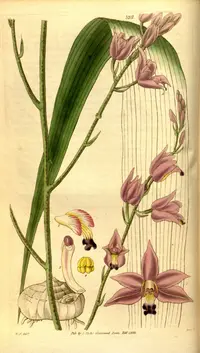
Pine-pink (Bletia purpurea) is a terrestrial orchid known for its upright clumps of narrow leaves and spikes of bright pink to purple flowers. It has a more grasslike look than many epiphytic orchids. Native to Florida, the Caribbean, Mexico, and Central America, it usually grows in open, seasonally moist habitats such as pine flatwoods and savannas. This species prefers bright light, warm temperatures, and evenly moist but free-draining soil, which makes it suitable for outdoor beds in mild climates or pots that can be protected from cold. Once its basic needs are met, it is moderately easy to grow, and learning how to care for Pine-pink mainly involves managing moisture and seasonal rest.

Care Difficulty
Moderate Care

Light Preference
Partial Sun

Water Requirements
Regular Water

Temperature Preference
Tropical / Frost Sensitive

Hardiness Zone
10–11

Soil Texture
Sandy, Loamy, Organic-rich

Soil pH
Acidic (5.5–6.5), Slightly acidic (6.5–7.0)

Soil Drainage
Moist but well-drained

Fertilization
Light (every 4–6 weeks)
Scan your plant to receive care tips personalized for your specific plant
Available on iOS and Android
This terrestrial orchid prefers bright, indirect light with some direct morning sun for strongest flowering.
This species prefers evenly moist but not saturated soil during active growth.
This orchid favors warm, frost-free conditions typical of subtropical climates.
This terrestrial orchid prefers moderately humid air but adapts to many home and garden conditions.
This species grows best in loose, moisture-retentive but sharply draining soil that mimics its native, slightly sandy habitats.
This species is well suited to container growing outdoors in mild climates.
This terrestrial orchid benefits from light, consistent feeding during its active growing season for best flowering and foliage quality.
Pruning needs for Bletia purpurea are minimal and focus on cleanliness rather than shaping.
This ground orchid prefers stable conditions and resents frequent disturbance, so transplant only when clearly needed.
This species is most commonly multiplied by division of its corms rather than by seed in home settings.
In mild climates this orchid has moderate cold tolerance, but it benefits from some winter protection, especially in containers or cooler regions.

Plant Health Check
Not sure what's wrong with your plant? Check your plant's health inside the app.
Unlike many showy orchids that grow on trees, this species is strictly terrestrial and forms underground pseudobulbs that store water and nutrients in seasonally dry habitats.
In much of its range, this orchid responds to the transition from dry to wet season by sending up slender flowering spikes that can carry many purple-pink blooms over several weeks.
The species often grows at the margins of marshes, ditches, and pine rocklands, tolerating periodic flooding followed by dry spells that many other orchids cannot endure.

In parts of its native range from Florida through the Caribbean and Central America, this orchid can appear in large, localized colonies, creating striking purple-pink swaths in open wetlands that are important visual cues for native pollinators such as bees.
This terrestrial orchid usually blooms in late spring to summer, depending on climate. Flowering can continue for several weeks as new spikes open sequentially. Consistent warmth and a stable moisture regime support reliable seasonal blooming.
Keep your plants happy and healthy with plant identification, disease detection, and easy care guidance.