Encourage deep rooting
During the first 2–3 years, water less frequently but very thoroughly to encourage deep root development, which improves drought tolerance and long-term stability when growing chañar outdoors.

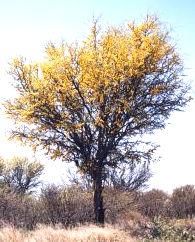
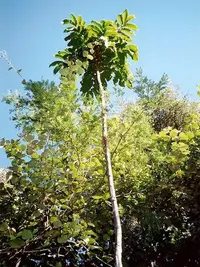
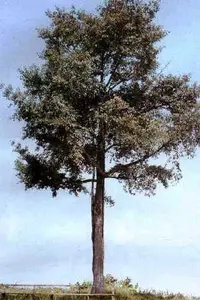
Chañar, Geoffroea decorticans, is a small deciduous tree from arid and semi-arid regions of South America, especially Argentina, Bolivia, and Chile. It belongs to the pea family and naturally forms a broad, rounded crown with twisting branches and a rugged, peeling bark.
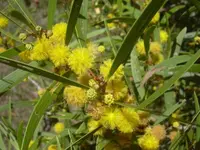
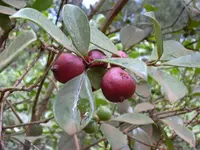
The tree produces small, narrow leaves and yellowish flowers that develop into sweet, pulpy pods. Its deep root system and high drought tolerance make it suitable for dry, low-rainfall climates.
This species prefers full sun, lean or sandy soils, and low to moderate moisture, and it does not tolerate prolonged waterlogging. These traits make it relatively easy outdoors in dry regions, but challenging in humid or poorly drained sites, so learning how to care for chañar in local conditions is important.

Care Difficulty
Moderate Care

Light Preference
Full Sun

Water Requirements
Low Water

Temperature Preference
Warm Climate

Hardiness Zone
8–11

Soil Texture
Sandy, Loamy, Rocky

Soil pH
Slightly acidic (6.5–7.0), Slightly alkaline (7.0–7.5)

Soil Drainage
Well-drained

Fertilization
Minimal (feed rarely)
Scan your plant to receive care tips personalized for your specific plant
Available on iOS and Android
This species is a sun-loving desert tree that performs best with strong, direct light.
This drought-adapted tree prefers deep, infrequent watering and well-drained soil.
This species is adapted to hot, arid climates and tolerates a wide temperature range once established.
This drought-adapted tree tolerates a wide humidity range and rarely needs special humidity management when grown as chañar.
Geoffroea decorticans prefers lean, well-aerated mineral soils that drain very quickly.
This species can be grown in containers for early-stage cultivation or ornamental use, but long-term growth is challenging due to its eventual size and deep root system.
This drought-adapted desert tree needs only light feeding in cultivation, so focus on modest, infrequent nutrition.
Pruning Geoffroea decorticans is usually light and structural, aimed at safety and form rather than frequent shaping.
This species is most often grown in the ground, so transplanting young trees correctly is more important than frequent repotting.
Propagation of this desert legume is usually done from seed, which is straightforward but can be slow to establish.
Established trees are relatively cold hardy and usually need minimal winter care in mild, dry climates.

Plant Health Check
Not sure what's wrong with your plant? Check your plant's health inside the app.
This South American tree produces fleshy, edible seed pods with a naturally sweet pulp that has been traditionally eaten fresh, dried, or ground into flour-like products in arid regions.
It is native to some of the driest zones of the Monte and Chaco deserts, where its deep root system and tough foliage allow it to survive low rainfall and high temperature stress that kill many other tree species.
The trunk and branches develop thick, corky bark that peels in large plates, which helps protect living tissues from intense sun, heat, and mechanical damage in harsh desert environments.

Archaeobotanical and historical records show that its nutritious pods were an important wild and semi-managed food resource for several Indigenous groups of the southern Andes and Patagonian steppe, contributing to local diets long before the introduction of Old World crops.
Container culture is possible while the plant is young, using a deep, well-drained pot and very gritty soil. Long term, the tree develops an extensive root system and usually performs better when planted in open ground.
Keep your plants happy and healthy with plant identification, disease detection, and easy care guidance.