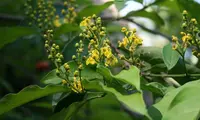
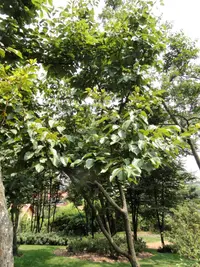
Wild Plum Care (Harpephyllum caffrum)

Also known as: African plum, Kaffir Date, Kaffir Plum, Sourplum
Wild Plum

About Wild Plum

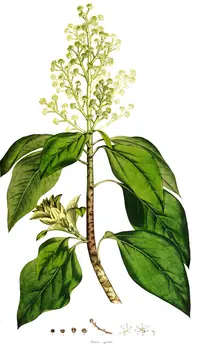
Wild plum, Harpephyllum caffrum, is an evergreen tree from southern Africa, grown both as an ornamental and for its small edible fruits. It usually has a straight trunk, dense rounded crown, and glossy, leathery leaves that give it a strong structural presence in gardens and landscapes.

In its native range it occurs in warm, frost-free areas, often along forest edges and riverbanks. It is generally robust and adaptable, but needs mild winters and space to develop. For those wanting to care for Wild Plum, it prefers bright light, moderate moisture, and well-drained soil.

Main Plant Requirements

Care Difficulty

Moderate Care

Light Preference

Full Sun

Water Requirements

Moderate Water

Temperature Preference

Tropical / Frost Sensitive

Hardiness Zone

10–11

Soil Texture

Sandy, Loamy, Organic-rich

Soil pH

Acidic (5.5–6.5), Slightly acidic (6.5–7.0)

Soil Drainage

Well-drained

Fertilization

Minimal (feed rarely)

Get Personalized Care Plan

Scan your plant to receive care tips personalized for your specific plant

Available on iOS and Android

How to Care for the Wild Plum

Harpephyllum caffrum performs best in bright, direct outdoor light with some protection from harsh extremes.

  • Provide 6–8 hours of sun daily, ideally with morning sun and light afternoon shade, especially in hotter regions.
  • Young trees tolerate partial shade, but growth slows with less than 4–5 hours of direct light; long, weak shoots indicate insufficient sun.
  • Mature Wild Plum trees handle full sun, but intense afternoon sun in very hot summers can scorch leaves; use nearby taller plants or structures for light filtering if needed.

Harpephyllum caffrum prefers deep, infrequent watering that allows the soil surface to dry slightly between soakings.

  • In the ground, water when the top 5–8 cm of soil is dry, applying a slow, deep soak so moisture reaches the main root zone.
  • Reduce watering in cool or rainy seasons and increase slightly in hot, dry periods; cracked soil and dull, drooping leaves suggest the tree is too dry.
  • Yellowing leaves, soft new growth, or persistent wet soil indicate overwatering; ensure fast-draining soil and avoid low spots where water collects.

This tree favors warm, mild climates and is sensitive to prolonged frost or extreme cold.

  • Ideal growth occurs around 65–85°F (18–29°C), with steady warmth supporting stronger shoots and better overall vigor.
  • Harpephyllum caffrum can tolerate brief drops to about 28–30°F (-2– -1°C), but repeated frosts can damage young tips and thin branches.
  • Heat up to 95°F (35°C) is usually tolerated if soil moisture is stable; provide mulch and avoid reflected heat from walls or paving in very hot sites.

This species tolerates a wide humidity range but grows best with moderate air moisture.

  • Target 40–60% humidity for container-grown Wild Plum, similar to many indoor living spaces.
  • Plant generally copes with drier air, but prolonged very dry conditions can cause leaf tip browning and slower growth.
  • If indoor air is very dry, group plants together or place the pot on a pebble tray with water below the pot base to slightly raise humidity.

Harpephyllum caffrum prefers well-structured, freely draining soil that still holds some moisture.

  • Use a sandy loam or loam-based mix with 30–40% coarse material such as sharp sand or fine gravel to prevent waterlogging.
  • In containers, combine 50–60% peat-free compost with 20–30% coarse sand and 10–20% perlite to improve aeration and root health.
  • Aim for slightly acidic to neutral pH around 6.0–7.0, avoiding highly alkaline or salty soils that restrict nutrient uptake.
  • Avoid compacted clay, standing water, or mixes heavy in unamended garden soil, which can suffocate roots and increase root-rot risk.

This tree can be grown in containers for some years, especially when kept pruned and size-controlled.

  • Choose a deep, heavy pot to stabilize the woody trunk and prevent tipping in windy or exposed positions.
  • Select a container material with moderate moisture retention, such as thick-walled terracotta, to balance the plant’s dislike of soggy soil with steady drying.
  • Raise the pot slightly on feet or bricks outdoors so drainage holes stay clear and excess water can escape rapidly during heavy rain.

This drought-tolerant Wild Plum benefits from modest, targeted feeding during active growth in suitable climates.

  • Use a balanced slow-release fertilizer (for example 10-10-10) or well-rotted compost at the start of spring growth.
  • Apply fertilizer once in spring and, in poor soils only, once more in midsummer for young or container-grown trees.
  • Reduce feeding in fall and stop over winter, when growth slows and nutrient demand drops.
  • For liquid feeds in containers, dilute to 1/2 strength and apply on moist soil to limit root burn.

Pruning helps Harpephyllum caffrum develop a strong framework and maintain safe, healthy growth.

  • Carry out structural pruning in late winter or very early spring, before vigorous new growth begins.
  • Remove dead, diseased, crossing, or storm-damaged branches with clean, sharp bypass pruners or a pruning saw.
  • Thin overly crowded interior shoots to improve light penetration and airflow through the canopy.
  • Limit cuts to smaller branches where possible to reduce stress and lower the risk of decay.

This tree is usually grown in the ground; focus on careful transplanting rather than frequent repotting.

  • Look for signs like circling roots, roots emerging from drainage holes, or stalled growth in young container plants.
  • Plan transplanting or up-potting for late winter to early spring, just before strong new growth begins.
  • Move young trees every 2–3 years until established, stepping up only 1–2 pot sizes or into a prepared ground site.
  • Water deeply before and after moving, keep the root ball intact, and shade or windbreak the tree for 1–2 weeks to limit stress.

Harpephyllum caffrum is most often propagated from seed, with careful attention to warmth and moisture.

  • Collect ripe fruits, clean off pulp, and sow fresh seeds in spring for best germination.
  • Use a well-drained mix, keep it evenly moist, and maintain warm conditions around 70–80°F.
  • Lightly cover seeds and provide bright, indirect light until seedlings establish strong root systems.
  • Semi-hardwood cuttings in late summer can root with hormone treatment, bottom heat, and consistent humidity.

This subtropical tree has low frost tolerance and needs protection in regions with cold winters.

  • In-ground trees in marginal climates benefit from 5–10 cm of organic mulch over the root zone, kept away from the trunk.
  • Wrap young trunks with breathable frost cloth or burlap during expected freezes to limit bark damage.
  • Move container plants indoors or to a bright, frost-free space when temperatures approach 32°F.

Care Tips

Establish deep roots

During the first 2–3 years, give one slow, deep soak at the drip line every 2–4 weeks in dry periods to encourage a deep root system that improves drought tolerance and wind stability.

Protect young bark

On young trees in full sun, wrap the southwest-facing trunk with a breathable tree wrap or use a light-color tree guard to reduce sunscald and bark cracking in hot, dry conditions.

Shape early structure

In the first 3–5 years, select 3–5 well-spaced main branches and lightly remove narrow, crossing, or very low shoots to build a strong, open framework that can carry fruit weight later.

Mulch for root health

Maintain a 5–8 cm layer of coarse organic mulch in a wide ring around the tree, keeping it 5–10 cm away from the trunk, to moderate soil temperature and reduce weed competition when growing Wild Plum.

Monitor for scale

Inspect twigs and the undersides of leaves a few times each growing season for scale insects, and if found, prune out localized infestations or treat early with horticultural oil according to label directions.

Common Pests and Diseases

Scale insects

This pest feeds on sap along young stems and on the underside of leaves, often appearing as small brown or grey bumps. Symptoms include sticky honeydew, black sooty mold growth, and gradual leaf yellowing or dieback on branches.

Solution

Prune and dispose of heavily infested twigs, then wipe remaining insects off bark and leaves with a cloth or soft brush dipped in a 1–2% solution of insecticidal soap or horticultural oil. Repeat treatments every 7–10 days until new growth is clean, and reduce plant stress by watering deeply but infrequently and avoiding excess nitrogen fertilizer.

Fruit fly infestation

These insects lay eggs in ripening fruit, leading to soft spots, internal tunneling, and premature fruit drop. This issue is more common on outdoor or orchard trees where fruit is allowed to mature on the plant.

Solution

Collect and destroy infested or fallen fruit promptly to break the breeding cycle, and use baited traps hung in the canopy during the fruiting period to reduce adult numbers. In areas with heavy pressure, cover clusters with fine mesh bags before fruit colors up and remove nearby decaying fruit sources.

Leaf spot

This disease causes small brown or dark purple spots on leaves that can merge into larger patches, sometimes leading to early leaf drop. Symptoms include more severe spotting on older leaves and in humid or poorly ventilated conditions.

Solution

Remove and discard affected fallen leaves and heavily spotted foliage to reduce inoculum, and avoid wetting the canopy when irrigating. Improve air movement through light thinning cuts and, in persistent cases outdoors, apply a copper-based fungicide according to label directions at the first sign of spotting.

Powdery mildew

This disease appears as a white or light grey powdery coating on young leaves, shoots, and sometimes fruit, which can distort growth and reduce vigor. Symptoms include stunted new shoots and leaves that curl or yellow prematurely.

Solution

Increase light and airflow around the canopy with selective pruning and avoid high-nitrogen fertilization that drives very soft new growth. At first signs, treat foliage with a horticultural oil or potassium bicarbonate product labeled for powdery mildew, repeating at 7–14 day intervals while conditions remain warm and dry with cool nights.

Bark borers

These insects tunnel into trunks and branches, leading to small entry holes, frass (sawdust-like material), and localized branch dieback. Symptoms include wilting foliage on affected branches and sometimes gumming or resin exuding from the bark around entry points.

Solution

Prune out and destroy infested branches below visible tunneling, disinfecting tools between cuts. Maintain tree vigor through correct watering and mulching, monitor for new borer holes, and, in outdoor orchard settings, use sticky bands or trunk wraps as part of integrated Harpephyllum caffrum care to discourage adult beetle activity on stressed trees.

Interesting Facts

Single‑sexed trees

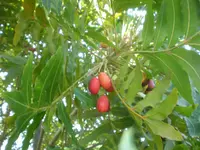
This species is dioecious, meaning individual trees are either male or female and only female trees produce the edible, plum‑like fruits after successful pollination from a male tree.

Elephant‑dispersed fruits

In its native range in southern Africa, the fleshy fruits are eaten by large mammals such as elephants, which help disperse the seeds over long distances through their dung.

Coastal wind tolerance

The tree naturally occurs on coastal dunes and rocky slopes, where its dense crown and tough evergreen leaves tolerate wind and salt spray better than many inland forest species.

Botan icon

Did you know?

In parts of southern Africa, this tree is often planted in urban areas not only as a fruit and shade tree but also because its dense, evergreen canopy and strong root system make it valuable for stabilizing embankments and preventing soil erosion in parks, school grounds, and along streets.

FAQs about Wild Plum

This tree is moderately fast-growing, often adding 30–60 cm of height per year under warm conditions with regular water and fertile, well-drained soil. Growth slows in poor soil, dry conditions, or when container-bound.

Grow Healthy Plants with Botan Care

Keep your plants happy and healthy with plant identification, disease detection, and easy care guidance.

Botan plant care app — identify plants on mobile

Explore More Plants