Garden strawberry Care (Fragaria × ananassa)

Also known as: strawberry
Garden strawberry

About Garden strawberry

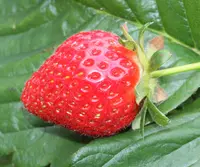
Garden strawberry, Fragaria × ananassa, is a low-growing perennial herb widely grown for its sweet, red fruit. It forms compact clumps of leaves with runners that spread to create new plants. In cultivation it prefers sunny, open sites with well-drained, fertile soil and consistent moisture, rather than dense shade or waterlogged ground. Modern varieties were developed from South American and North American species, so they are adapted to a wide range of temperate climates. Disease susceptibility and fruiting demands mean it needs more attention than many houseplants, but clear routines make it manageable. Learning how to care for Garden strawberry helps keep plants productive for several years.

Main Plant Requirements

Care Difficulty

Moderate Care

Light Preference

Full Sun

Water Requirements

Regular Water

Temperature Preference

Cool Climate

Hardiness Zone

4–9

Soil Texture

Sandy, Loamy, Organic-rich

Soil pH

Strongly acidic (4.5–5.5), Acidic (5.5–6.5)

Soil Drainage

Moist but well-drained

Fertilization

Light (every 4–6 weeks)

Get Personalized Care Plan

Scan your plant to receive care tips personalized for your specific plant

Available on iOS and Android

How to Care for the Garden strawberry

This plant fruits best in sustained, direct light with some protection from extreme afternoon heat.

  • Provide 6–8 hours of full sun daily, ideally with morning sun and light afternoon shade in hot summers to protect leaves and fruit from scorching.
  • Tolerates light partial shade (4–5 hours sun), but yields and sweetness decline if days are too shaded or overcast for long periods.
  • Position Garden strawberry rows north–south where possible, and avoid heavy shade from fences, shrubs, or buildings, especially around spring flowering and early summer fruiting.

Watering should maintain consistently moist but never waterlogged soil for reliable flowering and fruiting.

  • Irrigate when the top 2–3 cm of soil feels dry, aiming for deep soaking rather than light surface splashes to encourage deeper roots.
  • Use free-draining soil or raised beds so excess water drains within a few hours; soggy soil promotes root rot, yellowing leaves, and mushy crowns in Fragaria × ananassa.
  • In hot, dry weather, monitor plants daily for wilting or dull, drooping leaves, and reduce watering in cool or rainy periods to avoid standing water.

This species prefers cool to mild conditions and tolerates moderate cold better than intense heat.

  • Active growth and flowering are best at 60–75°F (16–24°C); prolonged heat above 85°F (29°C) can reduce fruit size and quality.
  • Dormant crowns usually survive down to about 10–15°F (-12 to -9°C) under mulch, but open flowers and young fruit are damaged by light frosts around 30–32°F (-1–0°C).
  • In hot regions, provide afternoon shade and mulch to keep root zones cooler, and in cold climates use straw mulch or row covers to buffer rapid spring temperature swings.

This species grows well in typical outdoor humidity but benefits from slightly moist air in hot, dry climates.

  • Aim for 40–60% humidity; short dry spells are tolerated if soil moisture is kept consistent.
  • Low humidity stress shows as limp, quickly wilting leaves and faster drying of fruiting trusses on hot, windy days.
  • In very dry weather, use mulch around plants and place shallow water trays nearby to slightly raise local humidity without wetting foliage.

Fragaria × ananassa needs aerated, moisture-retentive but free-draining soil to fruit reliably in beds or containers.

  • Use a loamy, organic-rich mix that holds moisture yet drains freely, such as garden loam blended with compost and coarse sand or perlite.
  • Target a slightly acidic pH of 5.5–6.5 to support nutrient uptake and reduce issues with iron and manganese availability.
  • Incorporate 25–40% well-rotted compost to improve structure, water-holding capacity, and microbial activity around the shallow roots.
  • Avoid heavy clay, compacted, or waterlogged substrates; improve aeration by adding coarse sand, perlite, or fine bark and forming low mounded rows.

This species is well suited to container growing for decks, patios, or small gardens.

  • Choose a container at least 20–25 cm deep and wide to allow shallow roots to spread and support multiple crowns.
  • Use a sturdy, wider-than-tall pot or hanging basket to stabilize the spreading foliage and fruit-laden runners.
  • Ensure large, unobstructed drainage holes and elevate the pot slightly so excess water exits quickly and does not reabsorb into the root zone.

Fragaria × ananassa benefits from consistent but moderate feeding for good leaf growth and fruiting.

  • Use a balanced NPK granular or slow-release fertilizer, or well-rotted compost, mixed into the topsoil before new growth in early spring.
  • During the growing season, feed every 4–6 weeks at half the label strength to avoid excess leaf growth and weak fruit.
  • Stop or greatly reduce fertilization in late fall and winter when growth slows or plants are dormant.
  • For Garden strawberry in containers, use a diluted balanced liquid feed every 2–3 weeks during active growth, ensuring good drainage to prevent salt buildup.

Pruning Fragaria × ananassa focuses on removing spent growth and managing runners to maintain productive plants.

  • In late fall or very early spring, remove dead, diseased, or damaged leaves with clean, sharp scissors or hand pruners.
  • After the main harvest, clip off old, yellowing foliage above the crown to reduce disease pressure, leaving the central growing point intact.
  • Thin out excess runners, keeping only a few strong ones per plant to maintain plant vigor and fruit size.
  • Cut flower stalks on first-year plants if larger crowns and better yields are desired in the second season.

Garden strawberry often grows in beds but can be transplanted or moved in containers to maintain vigor.

  • Transplant or repot in early spring or late summer so plants can establish roots in mild conditions before heat or hard frost.
  • Look for roots circling the pot, slow growth, or dry-out between waterings as signs container plants need a larger pot.
  • Move plants into a slightly larger container with fresh, well-draining mix, setting crowns at soil level and watering thoroughly to settle roots.
  • Reduce stress by shading for a few days after moving, keeping soil evenly moist but not waterlogged until new growth resumes.

Fragaria × ananassa is most commonly propagated from runners, which are natural horizontal shoots forming new plantlets.

  • In late spring to late summer, select healthy mother plants that produce strong, disease-free runners.
  • Peg runner plantlets into small pots of moist, well-draining mix placed next to the mother plant, keeping crowns at soil level.
  • Allow plantlets to root for several weeks, keeping the substrate evenly moist and providing bright, indirect light.
  • Once roots fill the small pots and growth is firm, cut the runner connection and transplant young plants to their final position.

Fragaria × ananassa is generally cold hardy but benefits from simple winter protection, especially in colder regions or containers.

  • After hard frosts, mulch around crowns with 5–8 cm of straw, pine needles, or shredded leaves, keeping mulch just off the crown to prevent rot.
  • In very cold climates, add a breathable fabric or frost cloth over beds to buffer extreme temperature swings.
  • Move containers to an unheated garage, cold frame, or sheltered wall, preventing the root ball from freezing solid while allowing dormancy.

Care Tips

Rotate Fruiting Rows

Stagger plantings in narrow rows or bands and replace the oldest, most exhausted plants every 2–3 years to keep fruit size and yield high while reducing disease buildup in the bed.

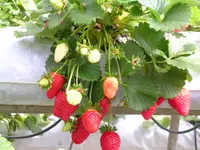
Mulch For Clean Fruit

Apply a 5–8 cm layer of clean straw or coarse wood shavings under plants before flowering so berries stay dry and clean, slugs are discouraged, and soil splash that spreads fungal spores is reduced.

Targeted Runner Management

Pin down a few healthy runners into small pots or gaps in the row to renew the patch, but remove excess runners promptly so energy goes into fruit production rather than dense, crowded foliage.

Blossom And Fruit Thinning

On young or stressed plants, remove the first flower cluster or thin small, crowded berries so the plant builds a stronger root system and produces fewer but larger, better-quality fruits later in the season.

Post-Harvest Renovation

After the main harvest, mow or trim foliage above the crown, remove weak or diseased plants, and narrow the rows to about 20–30 cm to control pests, improve air flow, and simplify caring for Garden strawberry the next season.

Common Pests and Diseases

Spider mites

This pest feeds on leaf undersides, causing tiny yellow speckling, dull foliage, and fine webbing, especially in warm, dry conditions.

Solution

Rinse plants thoroughly with a strong but gentle stream of water, focusing on leaf undersides, then repeat every few days; increase humidity slightly and improve air movement. For persistent infestations, use insecticidal soap or a horticultural oil labeled for edible crops, applied in the evening and repeated as directed.

Strawberry aphids

These insects cluster on young leaves and flower stems, sucking sap and distorting new growth while also spreading viral diseases.

Solution

Pinch or hose off heavily infested shoots, then treat remaining colonies with insecticidal soap, ensuring good coverage of all tender growth. Encourage natural predators such as lady beetles by avoiding broad-spectrum insecticides and maintaining some flowering companion plants nearby.

Gray mold (Botrytis)

This disease affects flowers and fruit, leading to soft brown spots that quickly become covered in gray, fuzzy mold, especially in cool, humid weather.

Solution

Remove and dispose of all moldy or damaged fruit and leaves, and thin plants so that air can move freely through the canopy. Keep fruit off wet soil with clean mulch or supports, water at the base in the morning, and apply a labeled biofungicide or fungicide preventively during prolonged damp conditions if the problem recurs.

Powdery mildew

This disease causes white, powdery patches on upper and lower leaf surfaces, sometimes followed by leaf curling, reddening, and reduced fruit quality.

Solution

Improve airflow by spacing plants correctly, trimming excess runners, and avoiding overhead watering in the evening. Remove the most affected leaves and use a labeled sulfur, potassium bicarbonate, or other low-toxicity fungicide at first signs, following instructions carefully for edible crops.

Leaf spot (Mycosphaerella)

Symptoms include small purple or red spots on leaves that develop pale or tan centers, which can merge and cause premature leaf drop and weaker plants.

Solution

Remove and discard infected leaves during and after the growing season, and avoid watering foliage by irrigating at soil level. Rotate strawberry beds every 3–4 years, keep a clean mulch layer under plants to reduce spore splash, and use disease-resistant varieties when replanting as part of long-term Fragaria × ananassa care.

Interesting Facts

Hybrid garden origin

The modern cultivated strawberry is a hybrid between two American species, Fragaria chiloensis from South America and Fragaria virginiana from North America, first stabilized in European gardens in the 18th century.

Edible enlarged receptacle

The red fleshy part eaten as the strawberry fruit is actually an enlarged flower receptacle, while the true fruits are the many tiny achenes (dry fruits) embedded on its surface.

Complex flavor chemistry

Its characteristic aroma comes from a mixture of dozens of volatile compounds, including esters, aldehydes, and terpenes, and the balance of these molecules varies strongly among cultivars and with ripeness.

Botan icon

Did you know?

The cultivated garden strawberry became one of the first fruit crops widely propagated by cloning through runners in commercial agriculture, allowing entire fields to be established from genetically identical plants selected for flavor, yield, and disease resistance.

FAQs about Garden strawberry

Yellowing leaves usually result from nutrient deficiencies, waterlogging, or natural aging of older foliage. Check drainage, avoid water sitting around roots, and apply a balanced fertilizer with iron and magnesium if newer leaves are pale.

Grow Healthy Plants with Botan Care

Keep your plants happy and healthy with plant identification, disease detection, and easy care guidance.

Botan plant care app — identify plants on mobile

Explore More Plants