


Early framework training
During the first 2–3 years, select 3–4 well-spaced main branches and remove competing shoots to build a strong, open framework that can support later fruit loads.

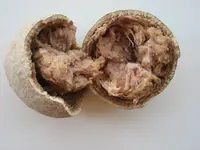
Indian woodapple, Limonia acidissima, is a small to medium deciduous tree known for its hard-shelled, aromatic fruits and rough, corky bark. It has a rounded, spreading crown with small, glossy leaves and thorny branches.
This species is native to the Indian subcontinent and parts of Southeast Asia, where it grows in dry forests and open fields. It tolerates heat, seasonal drought, and relatively poor soils, which makes it a resilient choice in suitable climates.
Because it is slow-growing and eventually becomes quite large, it is better suited to outdoor planting than containers. It favors full sun, moderate watering, and well-drained soil, and these points guide how to care for Indian woodapple.

Care Difficulty
Moderate Care

Light Preference
Full Sun

Water Requirements
Moderate Water

Temperature Preference
Tropical / Frost Sensitive

Hardiness Zone
10–12

Soil Texture
Sandy, Loamy, Organic-rich

Soil pH
Acidic (5.5–6.5), Slightly acidic (6.5–7.0)

Soil Drainage
Well-drained

Fertilization
Minimal (feed rarely)
Scan your plant to receive care tips personalized for your specific plant
Available on iOS and Android
Limonia acidissima grows best in bright, warm climates with strong light for most of the day.
This species prefers deep, infrequent watering once established, with time for the soil surface to dry between soakings.
This subtropical tree prefers warm to hot conditions and is sensitive to frost, especially when young.
This species adapts well to typical indoor humidity but benefits from slightly raised moisture in very dry homes.
Limonia acidissima prefers a mineral-rich, well-drained substrate that does not stay wet after watering.
This species is suitable for container growing when the pot is chosen to support deep roots and stable top growth.
Limonia acidissima benefits from light, targeted feeding rather than heavy fertilization.
Pruning Limonia acidissima helps maintain a strong framework and safe, manageable size.
Indian woodapple is usually grown in the ground, so focus on careful transplanting rather than frequent repotting.
Limonia acidissima is mainly propagated from seed, with vegetative methods used less often.
Limonia acidissima is a tropical to subtropical tree and needs some protection in cooler climates.

Plant Health Check
Not sure what's wrong with your plant? Check your plant's health inside the app.
The fruit of this species develops an unusually hard, woody rind that must often be cracked with a hammer, yet the pulp inside is strongly aromatic and used in traditional drinks and chutneys in parts of South and Southeast Asia.
This tree is adapted to monsoon climates, tolerating pronounced dry seasons thanks to a deep root system and tough foliage that reduces water loss.
In parts of South Asia, the leaves serve as a larval food source for the rare lime butterfly Chilasa clytia, supporting its life cycle and local biodiversity.

Archaeobotanical and historical records indicate that the woodapple has been cultivated in the Indian subcontinent for many centuries, with its fruits and wood mentioned in early Sanskrit and Pali texts as useful resources in rural agroforestry systems.
Lack of blooms usually comes from insufficient sunlight, young age, or nutrient imbalance. This tree often needs several years to flower. Ensure strong light, avoid heavy nitrogen fertilizers, and maintain moderate, consistent watering to support bud formation.
Keep your plants happy and healthy with plant identification, disease detection, and easy care guidance.

 POPULAR
Fishtail Hoya
Hoya polyneura
Chinese Apple
Ziziphus mauritiana
 POPULAR
Pink Jasmine
Jasminum polyanthum
Dwarf Tamarillo
Solanum abutiloides
Elephant Ear
Colocasia esculenta Royal Hawaiian® Maui Gold
Carolina laurelcherry
Prunus caroliniana
Ethiopian nightshade
Solanum aethiopicum
Australian Umbrella Tree
Heptapleurum actinophyllum