Ornamental Onion Care (Allium 'Millenium')

Ornamental Onion

About Ornamental Onion

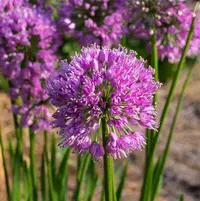
Allium 'Millenium' is a compact, clump-forming ornamental onion grown mainly for its round, purple flower heads and neat, grassy foliage. It is a cultivated garden hybrid, not a true wild species, but it belongs to the same genus as culinary onions and chives.

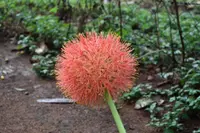
Plants produce sturdy stems that hold pom-pom-like blooms above low, tufted leaves, creating a tidy, architectural look in borders and containers. Flowers attract bees and butterflies and often bloom reliably even for beginners.

This perennial prefers full sun, well-drained soil, and moderate moisture, which makes it relatively undemanding in many home gardens. Understanding these simple needs helps gardeners care for Ornamental Onion with confidence.

Main Plant Requirements

Care Difficulty

Easy Care

Light Preference

Full Sun

Water Requirements

Moderate Water

Temperature Preference

Cold Hardy

Hardiness Zone

4–9

Soil Texture

Sandy, Loamy, Rocky

Soil pH

Slightly acidic (6.5–7.0), Slightly alkaline (7.0–7.5)

Soil Drainage

Well-drained

Fertilization

Minimal (feed rarely)

Get Personalized Care Plan

Scan your plant to receive care tips personalized for your specific plant

Available on iOS and Android

How to Care for the Ornamental Onion

This sun-loving perennial blooms best with strong light exposure in most climates.

  • Provide 6–8 hours of direct sun daily; morning sun with light afternoon shade helps preserve flower color and foliage quality.
  • In hotter regions, give Ornamental Onion protection from harsh afternoon sun to reduce scorching and premature leaf yellowing.
  • In partial shade (3–4 hours of sun), flowering and clump density decrease; choose the sunniest, open position, especially from late spring through midsummer.

This bulb-forming perennial prefers evenly moist but never saturated soil, especially during active growth.

  • Before watering, let the top 3–5 cm of soil dry; moisture should feel slightly dry at fingertip depth, not soggy or cracked.
  • During spring and early summer, monitor closely after hot, windy, or rainless periods; in fall, reduce watering as foliage dies back and bulbs enter dormancy.
  • Ensure sharply drained soil; limp, yellowing leaves and a sulfur smell suggest overwatering and rot, while crisp, folding leaves indicate underwatering.

This hardy ornamental onion tolerates a wide temperature range once established in the garden.

  • Active growth and flowering are strongest in cool to warm conditions around 60–80°F (16–27°C) during late spring and summer.
  • Dormant bulbs survive winter cold down to about -20°F (-29°C) in the ground, provided soil drains well and does not stay waterlogged.
  • In heat waves above 90°F (32°C), flowering may shorten and foliage may brown early, though bulbs typically recover and regrow the following season.

Humidity is rarely a concern for Allium 'Millenium', which thrives in typical outdoor air conditions.

Allium 'Millenium' performs best in lean, well-drained mineral soils that never stay waterlogged.

  • Use a sandy or loamy soil with coarse texture so water runs through within minutes after watering or rain.
  • Aim for a slightly acidic to neutral pH around 6.0–7.0, avoiding strongly acidic or alkaline sites that limit nutrient uptake.
  • Blend native soil with 20–30% compost plus sharp sand or fine gravel to improve structure, drainage, and root aeration.
  • Avoid heavy clay, compacted areas, or spots where water collects, as constant wetness quickly rots bulbs and roots.

This species is well suited to container growing outdoors when drainage is carefully managed.

  • Choose a pot at least 20–25 cm deep so bulbs can sit several centimeters below the rim while still allowing a free-draining soil layer beneath.
  • Select a heavy, stable container material like ceramic or concrete to prevent the tall flowering stems from tipping the pot in wind.
  • Elevate the container slightly on feet or bricks so drainage holes stay clear and excess water escapes quickly after rain or irrigation.

This ornamental onion benefits from light, targeted feeding during its active growing season.

  • Use a balanced, slow-release granular fertilizer (around 10-10-10) mixed into the topsoil in early spring as new growth emerges.
  • Supplement with a light application of compost around the clump to improve soil structure and nutrient availability.
  • If using liquid feed, apply a balanced NPK at 1/2 strength every 4–6 weeks until flowering finishes.
  • Stop feeding after flowering and avoid fertilizing in fall and winter while bulbs are dormant.

Thoughtful pruning keeps Allium 'Millenium' tidy and supports strong flowering the next year.

  • Cut spent flower heads down to the base once florets fade to maintain a clean look and reduce unwanted reseeding.
  • Remove yellowing or damaged leaves during late summer using clean, sharp scissors or hand pruners.
  • In late fall or very early spring, shear back all dead foliage at ground level to make space for fresh growth.
  • Avoid cutting healthy green leaves in early summer, as they support bulb energy storage and next season’s blooms.

This bulbous perennial is usually grown in beds and borders, with transplanting done only as needed.

  • Transplant or divide clumps every 3–4 years when flowering declines, bulbs crowd, or growth appears stunted.
  • Choose early fall after foliage has died back, or very early spring before strong growth resumes, for minimal stress.
  • Lift clumps carefully with a fork, tease apart bulbs by hand, and replant at the same depth in well-drained soil.
  • Water gently after planting to settle soil, then keep slightly moist for several weeks while roots re-establish.

Propagation relies mainly on division, which keeps the clump healthy and maintains true Allium 'Millenium' traits.

  • Divide established clumps every 3–4 years in early fall or early spring when the plant is dormant or just emerging.
  • Lift the clump, gently separate individual bulbs or small groups, discarding any soft or diseased material.
  • Replant divisions immediately at their original depth, spacing 15–20 cm apart in fertile, well-drained soil.
  • Water to settle soil and keep evenly moist until new roots form, then resume normal Allium 'Millenium' plant care.

This hardy perennial usually needs minimal winter care in typical garden conditions across much of the US.

  • Tolerates frost in the ground; bulbs survive well in USDA zones where it is commonly grown.
  • After hard frost, allow foliage to die back naturally, then cut it to ground level once completely brown.
  • Apply a light 3–5 cm mulch in colder regions to moderate soil temperature and reduce freeze–thaw heaving.
  • For container plants, move pots into a sheltered, unheated area to prevent rootball freezing and cracking of containers.

Care Tips

Boost bulb offsets

After flowering, lightly loosen the top 2–3 cm of soil around the clumps with a hand fork to improve aeration and encourage the bulbs to produce more offsets for denser displays in future seasons.

Timed division strategy

Divide congested clumps every 3–4 years in early fall, replanting firm, healthy bulbs at the same depth and spacing them 15–20 cm apart to maintain strong flowering and reduce competition for nutrients.

Deadhead for stamina

As soon as the flower heads fade, cut stems back to the base but leave green foliage intact so the plant can keep photosynthesizing and recharge the bulbs for next year’s bloom.

Mulch for crown protection

Apply a thin 2–3 cm layer of airy organic mulch around, but not on top of, the crowns to keep soil temperatures more stable, reduce heaving in freeze–thaw cycles, and limit weed competition.

Support pollinator activity

Cluster several plants together in a block rather than a single row to create a stronger visual target for bees and butterflies, which improves pollination in the surrounding garden and supports overall ecosystem health when growing Ornamental Onion.

Common Pests and Diseases

Onion thrips

This pest feeds by rasping the leaf surface and sucking out sap, causing silvery streaks, stippling, and fine black specks of frass on allium foliage.

Solution

Monitor leaf bases and undersides regularly, then dislodge insects with a firm water spray and remove heavily damaged leaves; for persistent infestations, apply insecticidal soap or a neem oil product labeled for thrips in the evening and repeat as directed while also reducing plant stress through proper watering and spacing.

Narcissus bulb fly

This pest lays eggs at or near the bulb, and the larvae tunnel inside, leading to weak, stunted growth, yellowing foliage, or complete collapse of the affected plant.

Solution

Discard any soft or rotten bulbs, dig and destroy suspect bulbs showing tunneling, and avoid leaving old, shallow bulbs in place; in high‑pressure areas, use physical barriers like fine mesh or horticultural fleece over newly planted bulbs until foliage is well developed and maintain firm, well‑drained soil to reduce attraction.

Downy mildew

This disease causes pale yellow, irregular leaf patches that later develop gray to purplish fuzzy growth, often starting in cool, moist conditions and leading to premature leaf dieback.

Solution

Remove and destroy infected leaves promptly, water at soil level in the morning, and increase spacing or airflow to keep foliage dry; avoid overhead irrigation, rotate planting areas for several years, and use only healthy, firm bulbs to reduce initial infection pressure as part of Allium 'Millenium' care instructions.

Botrytis leaf blight

Symptoms include tan to brown, water-soaked leaf spots that enlarge and may develop a gray, fuzzy mold, especially in wet, crowded plantings.

Solution

Cut off and discard affected foliage at the first signs, keep mulch and debris away from leaf bases, and improve air circulation by thinning crowded clumps; water early in the day at soil level and avoid wetting foliage, and in severe, recurring cases, rotate plantings and avoid reusing infected plant material.

Basal rot

This disease starts at the base of the bulb, causing yellowing and collapse of leaves while bulbs become soft, discolored, and may show dry or powdery decay inside.

Solution

Lift and discard affected bulbs completely, along with surrounding soil if heavily contaminated, and replant only firm, healthy bulbs in a new, well-drained site; avoid overwatering, do not injure bulbs during planting or dividing, and practice crop rotation with non-allium plants for several years to lower fungal load in the soil.

Interesting Facts

Late-season pollinator magnet

This hybrid allium flowers in mid to late summer, significantly later than many ornamental onions, providing nectar and pollen for bees and butterflies when many spring bulbs are already finished.

Sterile but long-blooming

Its flower heads are effectively sterile, so it rarely sets seed; instead, the plant directs energy into producing dense, long-lasting umbels that can stay attractive for several weeks.

Compact clump-forming habit

Unlike some taller, floppy alliums, this selection forms low, tidy clumps of glossy, strappy foliage topped with uniform 5–7 cm globes, making it especially suitable for front-of-border planting and small gardens.

Botan icon

Did you know?

Allium 'Millenium' was chosen as the 2018 Perennial Plant of the Year by the Perennial Plant Association, reflecting both its strong garden performance across climates and its reliability in professional landscape use.

FAQs about Ornamental Onion

Lack of flowers usually comes from immature bulbs, too little sun, overcrowded clumps, or excessive nitrogen fertilizer. Divide congested clumps every few years, ensure strong light, and use a balanced fertilizer to support Allium 'Millenium' plant care.

Grow Healthy Plants with Botan Care

Keep your plants happy and healthy with plant identification, disease detection, and easy care guidance.

Botan plant care app — identify plants on mobile

Explore More Plants