


Label Dormant Pots
Clearly label containers and beds when foliage dies back, so dormant corms are not disturbed or discarded during summer clean‑ups or replanting.

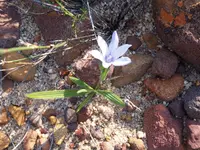
Autumn bobbejaantjie, Babiana villosula, is a small corm-forming flowering plant from winter-rainfall regions of South Africa. It belongs to the iris family and grows from underground storage organs. Plants produce narrow, often hairy leaves and short stems topped with bright, tubular flowers in warm colors, usually appearing in late winter or spring. This compact growth habit makes it suitable for rock gardens, containers, and specialized bulb beds.
In its native habitat, B. villosula experiences cool, moist winters and dry summers, so it rests dormant when conditions are hot and dry. Understanding this seasonal rhythm is key to how to care for Autumn Bobbejaantjie, especially in climates with summer rainfall.

Care Difficulty
Moderate Care

Light Preference
Full Sun

Water Requirements
Moderate Water

Temperature Preference
Warm Climate

Hardiness Zone
8–10

Soil Texture
Sandy, Loamy, Organic-rich

Soil pH
Acidic (5.5–6.5), Slightly acidic (6.5–7.0)

Soil Drainage
Well-drained

Fertilization
Minimal (feed rarely)
Scan your plant to receive care tips personalized for your specific plant
Available on iOS and Android
This corm-forming species prefers bright, cool-season sun similar to a Mediterranean winter climate.
This plant prefers a moist but sharply drained soil during active growth and a dry rest when dormant.
This species grows best in cool, mild conditions typical of Mediterranean-type winters.
This species handles typical indoor humidity but benefits from moderately dry air conditions.
Babiana villosula prefers a loose, sharply draining, mineral-rich substrate that mimics its native sandy soils.
This species is suitable for container growing, especially where winter protection is needed.
This small corm-forming species benefits from light feeding but does not need heavy fertilizer to flower well.
Babiana villosula needs only minimal pruning focused on spent flowers and declining foliage.
This cormous plant is usually grown in the ground or shallow pots and dislikes frequent disturbance.
This species is commonly propagated by dividing corms and, less often, from seed.
In mild climates, this plant tolerates cool winters but corms are vulnerable to prolonged hard frost and waterlogging.

Plant Health Check
Not sure what's wrong with your plant? Check your plant's health inside the app.
This species flowers in autumn in its native South African range, taking advantage of a time when fewer other bulbs are in bloom and pollinators may focus more on its flowers.
The leaves and stems are covered in fine hairs, which likely help reduce water loss and offer mild protection from herbivores in its dry, open habitats.
It naturally occurs on sandy soils in the Western Cape, often in low, open vegetation, and is adapted to seasonal winter rainfall followed by a dry summer dormancy.
This species usually flowers in mid to late spring, depending on climate and planting time. Blooms appear for several weeks, often in short, colorful spikes. Flowering is strongest in sunny, open positions with a marked dry summer rest.
Keep your plants happy and healthy with plant identification, disease detection, and easy care guidance.

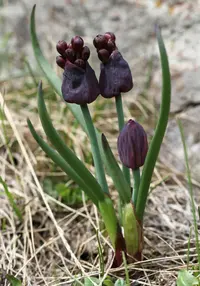
Allium atrosanguineum
Allium atrosanguineum
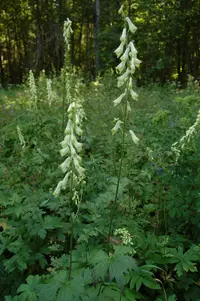
Aconitum lasiostomum
Aconitum lasiostomum
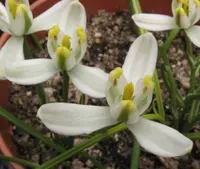
Albuca humilis
Albuca humilis
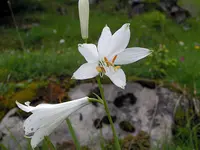
St Bruno's Lily
Paradisea liliastrum
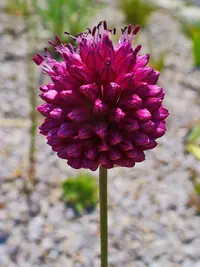
Drumstick allium
Allium sphaerocephalon
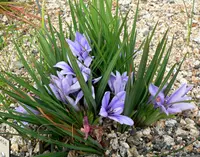
Sweet Bobbejaantjie
Babiana sambucina
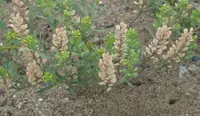
Alyssum turkestanicum
Alyssum turkestanicum
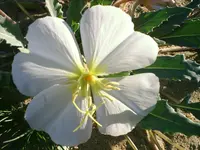
birdcage evening primrose
Oenothera deltoides