Encourage Compact Habit
Lightly shear spent flower stems by 1–2 in after the main flush to keep plants low, dense, and continuously blooming rather than straggly.

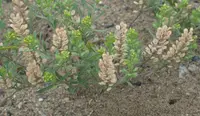
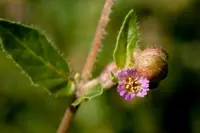
Alyssum turkestanicum is a small, herbaceous perennial from dry, rocky habitats in Central Asia. It forms low mounds of gray-green foliage topped with many tiny clustered flowers. Plants usually stay compact, which makes them suitable for rock gardens, gravel beds, and edging in sunny borders. The neat growth habit also works in containers with very sharp drainage. This species prefers full sun, lean mineral soils, and dry to moderately dry conditions. It generally resents heavy, wet substrates. With its drought tolerance and modest nutrient needs, it is considered fairly easy to grow for gardeners who care for Alyssum turkestanicum in similar well-drained, bright conditions.

Care Difficulty
Easy Care

Light Preference
Full Sun

Water Requirements
Moderate Water

Temperature Preference
Cold Hardy

Hardiness Zone
4–8

Soil Texture
Sandy, Loamy, Rocky

Soil pH
Slightly acidic (6.5–7.0), Slightly alkaline (7.0–7.5)

Soil Drainage
Well-drained

Fertilization
Minimal (feed rarely)
Scan your plant to receive care tips personalized for your specific plant
Available on iOS and Android
This sun-loving alpine prefers bright, open conditions to flower well.
This species prefers evenly moist but never saturated soil, especially during active growth and flowering.
This cool-tolerant plant handles a wide range of outdoor temperatures when given good drainage.
This species handles typical household humidity well, so humidity control is rarely critical.
This species prefers lean, well-drained mineral soils rather than rich, heavy mixes.
This species is suitable for container growing, especially in shallow, free-draining pots.
Light feeding supports compact growth and flowering for Alyssum turkestanicum in poorer soils.
Pruning Alyssum turkestanicum helps maintain a dense cushion of foliage and continuous flowering.
This species is usually grown in rock gardens or borders, so focus on transplanting young Alyssum turkestanicum plants rather than repeated repotting.
Propagation of Alyssum turkestanicum is most reliable from seed, with some potential for division in established clumps.
Alyssum turkestanicum is generally cold hardy in temperate climates and often needs only minimal winter attention.

Plant Health Check
Not sure what's wrong with your plant? Check your plant's health inside the app.
This species is native to dry, rocky habitats in Central Asia, especially around the Turkestan region, and is naturally adapted to continental climates with cold winters and hot, dry summers.
Its small, often gray‑green to slightly silvery leaves are covered with fine hairs, which help reduce water loss and protect the plant from intense sunlight in its native steppe and rocky slope habitats.
Like many members of the mustard family Brassicaceae, it produces 4‑petaled flowers and small seed pods called siliques, reflecting its close relationship to cabbages, mustards, and other alyssum species that thrive in open, sun‑exposed sites.
This species is generally treated as a short-lived perennial or biennial in temperate climates. It may behave as an annual in hotter or very cold regions, especially if summers are harsh or winter protection is lacking.
Keep your plants happy and healthy with plant identification, disease detection, and easy care guidance.