Easter Orchid Care (Earina autumnalis)

Also known as: Raupeka
Easter Orchid

About Easter Orchid

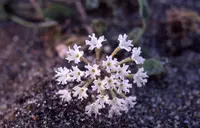
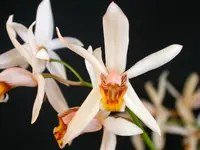
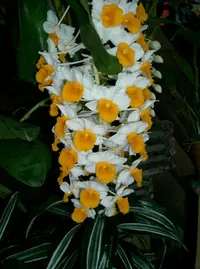
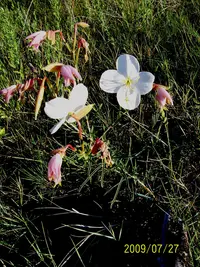
The Easter orchid, Earina autumnalis, is a small epiphytic orchid from New Zealand forests, where it grows on tree trunks and branches. It forms slender, cane-like stems with narrow leaves and sprays of small, fragrant white flowers. This species has a seasonal growth rhythm and can be sensitive to sudden changes in temperature, light, or moisture. It is considered moderate in difficulty, as it reacts quickly to improper watering or very dry air. It generally prefers bright, filtered light, good air movement, and evenly moist but free-draining orchid media, which guides how to care for Easter Orchid in indoor or greenhouse conditions.

Main Plant Requirements

Care Difficulty

Moderate Care

Light Preference

Partial Shade

Water Requirements

Moderate Water

Temperature Preference

Warm Climate

Hardiness Zone

10–11

Soil Texture

Organic-rich, Peaty, Loamy

Soil pH

Acidic (5.5–6.5)

Soil Drainage

Moist but well-drained

Fertilization

Light (every 4–6 weeks)

Get Personalized Care Plan

Scan your plant to receive care tips personalized for your specific plant

Available on iOS and Android

How to Care for the Easter Orchid

This New Zealand epiphytic orchid prefers bright, gentle light that mimics forest edges.

  • Provide bright shade with dappled or filtered light, such as 2–4 hours of soft morning sun and no harsh midday sun.
  • Tolerates partial shade but flowering of Easter Orchid declines if grown in very dim spots or under dense tree canopies.
  • Leaves turning yellow or scorched indicate too much sun, while dark, floppy growth and sparse flowering point to insufficient light, especially in winter.

Earina autumnalis prefers consistently lightly moist roots without staying waterlogged.

  • Before watering, let the top 1–2 cm of bark or substrate feel just barely dry, then water thoroughly so excess drains away.
  • In active growth and flowering, increase watering frequency, but in cooler months reduce it so the root zone never sits soggy for more than a few hours.
  • Wrinkling pseudobulbs indicate underwatering, while blackened roots, sour smell, or mushy bases signal chronic overwatering and poor drainage.

This orchid favors cool to mild conditions with no exposure to frost.

  • Aim for 55–75°F (13–24°C) for steady growth, with a slight drop at night to mimic natural bush conditions.
  • Protect plants from temperatures below 40°F (4°C); brief dips may be tolerated, but frost can damage foliage and roots.
  • In hot spells above 85°F (29°C), increase shade, airflow, and humidity to prevent heat stress, leaf scorch, and bud drop.

This orchid prefers moderately humid air to maintain stable growth and flowering.

  • Aim for 50–70% humidity, as very dry indoor air slows growth and shortens flower life.
  • The Easter Orchid tolerates brief dips to 35–40%, but prolonged dry air causes wrinkled pseudobulbs and crisp leaf tips.
  • Increase humidity with a pebble tray, grouping plants, or a small humidifier rather than misting foliage directly.

Earina autumnalis grows best in a loose, airy epiphytic-style mix that drains quickly yet retains light moisture.

  • Use a fine to medium orchid bark base with added sphagnum moss and perlite to balance moisture retention and aeration.
  • Ensure rapid drainage; water should flow through within seconds and not leave the mix soggy or compacted.
  • Aim for slightly acidic conditions around pH 5.5–6.5, which supports nutrient uptake and healthy root growth.
  • Avoid dense garden soil, heavy peat-only mixes, or containers that keep roots waterlogged, as these promote rot.

This species is suitable for container growing when given a shallow, well-ventilated setup.

  • Choose a shallow, wide pot or orchid basket to accommodate its spreading root habit and prevent stagnant pockets of moisture.
  • Use slotted or mesh-style containers to increase air movement around the roots while still holding the epiphytic mix in place.
  • In windy outdoor spots, place the container inside a heavier cachepot to add stability without reducing drainage efficiency.

Earina autumnalis benefits from light, careful feeding rather than heavy fertilization.

  • Use a balanced orchid fertilizer (around 20-20-20) diluted to 1/4–1/2 strength for Easter Orchid during active growth.
  • Feed every 3–4 weeks in spring and summer, applying after a thorough watering to avoid root burn.
  • Do not apply compost or heavy slow-release pellets, which can clog airy orchid media.
  • Reduce feeding to once every 6–8 weeks in fall and stop during midwinter rest if growth pauses.

Pruning Earina autumnalis is minimal and focuses on keeping the plant healthy and tidy.

  • Best time is after main flowering finishes in spring, when new growth is starting.
  • Remove dead, yellowing, or damaged leaves and spent flower spikes with clean, sharp scissors or small snips.
  • Thin out overcrowded or crossing stems only if they restrict air flow or light penetration.
  • Light grooming maintains plant shape and supports better flowering without cutting into healthy green pseudobulbs.

Earina autumnalis grows best slightly snug and should only be repotted when clear stress signs appear.

  • Repot every 2–3 years or when roots circle tightly, emerge heavily from drainage holes, or growth slows despite good care.
  • Aim to repot in late winter to early spring, just before strong new root growth begins.
  • Use a small pot with fresh, free-draining fine orchid mix, keeping the root system as intact as possible.
  • Water lightly after repotting, keep in bright, sheltered conditions, and maintain higher humidity to limit transplant shock.

Propagation of Earina autumnalis is typically done by careful division rather than by seed at home.

  • Divide established clumps in late winter or early spring as new roots begin to form.
  • Use a sterile, sharp knife to split the plant into sections with at least 3–4 healthy pseudobulbs each.
  • Plant divisions into fresh fine orchid mix and secure them so new roots are not disturbed.
  • Maintain bright, indirect light, 70–80% humidity, and slightly moist media to encourage rapid establishment.

Winter care for Earina autumnalis focuses on frost avoidance and slightly cooler, drier rest conditions.

  • Treat as frost-sensitive; keep temperatures above 40–45°F, ideally 50–60°F in winter.
  • Move container plants indoors or into a cool greenhouse before the first hard frost.
  • Reduce watering so the mix dries slightly between waterings, but do not allow complete desiccation.
  • Avoid cold drafts and keep foliage off freezing window glass to prevent tissue damage.

Care Tips

Mounting substrate choice

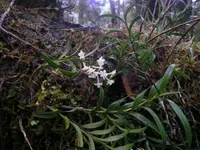
Use narrow-grooved tree fern, cork, or hard bark slabs rather than soft wood so the roots anchor firmly and the mount does not rot during the many years this orchid can stay in place.

Secure new divisions

When dividing, tie or clip each division firmly to its mount with soft orchid ties or nylon stocking strips so new roots grow in close contact with the surface and do not desiccate in air gaps.

Cool-night encouragement

Provide a distinct night drop of about 10–15°F in late winter by placing the plant near a cool window or in an unheated room to help trigger reliable spring flowering when growing Easter Orchid.

Airflow against spotting

Position a small fan on a low, indirect setting near the plant to keep air moving across foliage and roots, which helps reduce leaf spotting and fungal issues common in dense, moist displays.

Moisture-check by weight

Learn the weight of the mount or basket when freshly watered and when almost dry so you can use this as a quick, reliable guide to timing irrigation instead of relying only on surface appearance.

Common Pests and Diseases

Scale insects

This pest attaches to canes and leaf bases, sucking sap and leaving sticky honeydew that encourages sooty mold. Symptoms include yellowing leaves, weak growth, and small brown or whitish bumps along the pseudobulbs and stems.

Solution

Remove light infestations by gently scraping or wiping with cotton swabs dipped in isopropyl alcohol, then rinse the plant. For heavier infestations, isolate the plant, improve air movement, and use a horticultural oil or insecticidal soap directed carefully at the undersides of leaves and along the canes, repeating every 7–10 days until new growth is clean.

Mealybugs

These insects hide in leaf axils, among aerial roots, and around the base of pseudobulbs, where they suck sap and produce white cottony masses. Symptoms include distorted new growth, sticky residue, and slow decline in vigor.

Solution

Inspect tight leaf bases and crevices, then physically remove visible insects with a cotton swab dipped in isopropyl alcohol and rinse the plant thoroughly. Follow up with 2–3 applications of insecticidal soap or a light horticultural oil at 7–10 day intervals, and avoid overfertilizing, which can encourage rapid soft growth that mealybugs prefer.

Spider mites

These insects thrive in warm, dry indoor air and can damage the fine leaves and roots of this epiphytic orchid, especially when humidity is low. Symptoms include pale stippling, dull or silvery leaf surfaces, and fine webbing on the undersides of leaves or between canes.

Solution

Increase humidity to around 50–70%, rinse foliage thoroughly under lukewarm water, and wipe leaves to remove mites and webs. For persistent problems, use insecticidal soap on both leaf surfaces every 5–7 days for several cycles, and keep the plant out of hot, stagnant conditions by providing gentle air movement.

Sooty mold

This disease develops as a black, powdery coating on leaves and canes, feeding on honeydew excreted by sap-sucking insects like scale and mealybugs. Symptoms include darkened, dirty-looking foliage that reduces light reaching the leaves and can weaken the plant over time.

Solution

Control the underlying insect infestation first, then gently wipe leaves with a soft, damp cloth or sponge, or rinse under a mild shower to remove the fungus film. Improve ventilation and maintain the plant in bright, indirect light so foliage dries more quickly after watering, which helps prevent recurrence while following consistent Earina autumnalis care instructions.

Interesting Facts

Honey-scented flowering

The small white flowers release a strong honey-like fragrance, especially in the evening, which attracts night-active moth pollinators in its native New Zealand forests.

Pendant, wiry growth

This orchid naturally forms long, thin, hanging stems that root along the substrate, often draping from tree trunks or rocky outcrops rather than growing upright like many common orchids.

New Zealand forest endemic

It is endemic to New Zealand, occurring on both main islands and some offshore islands, where it commonly grows as an epiphyte on native trees such as rimu and beech in cool, moist forest habitats.

Botan icon

Did you know?

In the wild, this species often forms large, cascading colonies that can almost cloak sections of tree trunks or branches in white when in full bloom, making it one of the more visually conspicuous small epiphytic orchids in New Zealand forests.

FAQs about Easter Orchid

This orchid usually flowers in late winter to mid spring, often around Easter in its native range. Flowering can last several weeks if plants are kept cool, evenly moist, and not exposed to hot, drying drafts.

Grow Healthy Plants with Botan Care

Keep your plants happy and healthy with plant identification, disease detection, and easy care guidance.

Botan plant care app — identify plants on mobile

Explore More Plants