Howard's evening primrose Care (Oenothera howardii)

Howard's evening primrose

About Howard's evening primrose

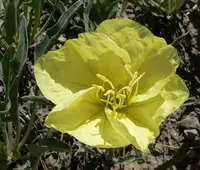
Howard's evening primrose (Oenothera howardii) is a compact, drought-tolerant perennial wildflower native to dry plains and foothills of the western United States. It typically forms low rosettes of gray-green, often hairy leaves that help reduce water loss in arid climates.

In late afternoon to evening, it opens soft yellow, sometimes orange-tinged flowers that attract night-flying pollinators. The blooms usually fade by the next day, then new buds follow.

This species is adapted to full sun, low to moderate moisture, and well-drained, often sandy or rocky soils. Once established, it is relatively low maintenance, though understanding how to care for Howard's evening primrose improves long-term performance in gardens and xeriscapes.


Main Plant Requirements

Care Difficulty

Easy Care

Light Preference

Full Sun

Water Requirements

Low Water

Temperature Preference

Cold Hardy

Hardiness Zone

4–8

Soil Texture

Sandy, Loamy, Rocky

Soil pH

Slightly acidic (6.5–7.0), Neutral (7.0)

Soil Drainage

Well-drained

Fertilization

Minimal (feed rarely)

Get Personalized Care Plan

Scan your plant to receive care tips personalized for your specific plant

Available on iOS and Android

How to Care for the Howard's evening primrose

This western native evening primrose thrives in strong sun but benefits from some seasonal moderation.

  • Provide 6–8 hours of direct sun daily; Howard's evening primrose performs best in open, unshaded sites such as prairies or rock gardens.
  • Allow light afternoon shade in very hot climates to reduce leaf scorch and conserve soil moisture, especially on exposed, south- or west-facing slopes.
  • In cooler seasons, maximize exposure by avoiding shade from buildings or shrubs, since prolonged low light leads to weak, floppy stems and fewer flowers.

This drought-adapted perennial prefers infrequent, deep watering in fast-draining soil.

  • Water only when the top 3–5 cm of soil are completely dry, using a slow soak that wets the root zone, then allow the soil to dry out again.
  • Ensure sandy or gritty, sharply drained soil; standing water, a sour smell, or limp, yellowing foliage signals overwatering and potential root rot in Oenothera howardii.
  • During the first growing season, monitor closely and water after hot, drying spells; once established, expect much less frequent watering, watching for dull, slightly drooping leaves as an underwatering cue.

This species is adapted to continental climates with cold winters and warm, dry summers.

  • Active growth and flowering occur best around 65–80°F (18–27°C), with good performance in typical spring and early-summer conditions in much of the western and central US.
  • Mature plants tolerate winter lows near 0°F (−18°C) when soil drains well; repeated freeze–thaw in wet soil is more damaging than steady cold.
  • In summer heat up to about 95°F (35°C), plants cope well if soil is not waterlogged; prolonged extremes above this can cause leaf scorch, so light afternoon shade and mulch help protect roots.

This species thrives in dry air and does not need elevated humidity.

  • Aim for 25–40% humidity, similar to arid outdoor conditions.
  • Plant decline, soft stems, or fungal spotting often indicate humidity is too high rather than too low.
  • Improve air movement with a small fan and avoid grouping plants closely to limit excess humidity.

Oenothera howardii prefers lean, fast-draining, mineral soil that mimics its native dry habitats.

  • Use a gritty mix such as 50% coarse sand, 25% small gravel, and 25% low-organic loam or cactus mix.
  • Ensure rapid drainage; water should pass through the mix within seconds, with no puddling on the surface.
  • Keep pH slightly alkaline to neutral, around 7.0–8.0, by avoiding acidic peat-heavy blends.
  • Avoid compacted, clay-rich, or heavily composted soils, which hold water and limit root aeration.

This species can grow in containers if they are managed to stay sharply drained and relatively dry.

  • Choose a tall, narrow pot to provide deep root space while limiting excess lateral moisture retention.
  • Select unglazed terracotta over plastic to increase evaporation from the sides and keep the root zone drier.
  • Elevate the container on pot feet so drainage holes stay clear and runoff leaves the pot quickly, preventing root rot.

This drought-adapted perennial needs only light feeding in lean soils, and none in naturally rich ground.

  • Use a thin topdressing of mature compost or a low-dose balanced NPK granular fertilizer in early spring.
  • Apply once at the start of the growing season; repeat only if growth is pale or weak.
  • If using liquid feed, dilute to 25–50% strength to avoid soft, floppy growth.
  • Stop fertilizing Howard's evening primrose in late summer so new growth can harden before winter.

Pruning Oenothera howardii is minimal but helps maintain a tidy, floriferous clump.

  • In late winter or very early spring, cut back old, dead stems to just above ground level with clean hand pruners.
  • Through summer, deadhead spent flower stalks to slightly extend blooming and reduce unwanted self-seeding.
  • Remove damaged or overcrowded stems to improve air flow and maintain a compact, upright habit.

This evening primrose is usually grown in the ground, where it dislikes frequent disturbance.

  • Transplant in early spring or early fall when temperatures are mild and soil is workable.
  • Move plants only when necessary, as the deep taproot resents lifting and may slow growth afterward.
  • Choose a sunny, very well-drained site; replant at the same depth, keeping the crown level with the soil surface.
  • Water deeply after transplanting, then let soil dry between waterings to limit root stress and reduce rot risk.

Propagation of this species is most reliable from seed under bright, dry-leaning conditions.

  • Sow fresh seeds of Oenothera howardii in late fall outdoors or in early spring after a brief cold period of 4–6 weeks at 35–40°F.
  • Press seeds onto a gritty, free-draining mix; do not bury deeply, as light aids germination.
  • Keep the medium just barely moist until seedlings emerge, then thin to prevent crowding and weak growth.

This hardy perennial generally needs little special winter care in most temperate climates.

  • Tolerates typical frost once established, provided soil drains freely and does not stay waterlogged.
  • After hard frost, allow stems to die back naturally, then cut them near ground level in late winter.
  • In very cold or exposed sites, apply a light 3–5 cm mulch around, not on top of, the crown to buffer freeze–thaw cycles.

Care Tips

Encourage Deep Roots

In the first growing season, lightly loosen the top 5–8 cm of soil around the plant every few weeks to break surface crusting, which encourages deeper root growth and better drought tolerance when growing Howard's evening primrose.

Gravel Collar Mulch

Apply a 2–3 cm layer of coarse gravel or small pebbles around, but not touching, the crown to keep the root zone drier, reduce soil splash on foliage, and improve winter survival in wet climates.

Controlled Self‑Seeding

If volunteer seedlings are welcome, leave some spent flower stems to mature and drop seed, then thin young plants in late spring to 20–25 cm spacing to prevent overcrowding and weak, leggy growth.

Wind and Flop Management

In windy or exposed sites, plant in small clusters and use low, unobtrusive plant rings or short pegs with soft garden twine to support stems before flowering spikes become top‑heavy.

Targeted Deadheading

For longer bloom display, regularly remove only the spent flowers on the upper portions of stems while leaving a few lower seed pods to develop if seed collection or natural reseeding is desired.

Common Pests and Diseases

Spider mites

This pest often appears in hot, dry conditions and feeds on the undersides of leaves, causing fine stippling and a dull, dusty look. Symptoms include very fine webbing between stems and buds and gradual yellowing or bronzing of foliage.

Solution

Spray plants thoroughly with a strong stream of water to dislodge mites, focusing on the undersides of leaves, then repeat every few days during outbreaks. If populations stay high, use insecticidal soap or a horticultural oil labeled for mites, applied in the cool part of the day, and reduce drought stress by avoiding severe overhead heat reflection from nearby hard surfaces.

Flea beetles

These insects chew numerous small round holes in leaves, often giving foliage a shot‑holed or lace‑like appearance, especially on young growth. Damage can slow growth and reduce flowering in stressed plants on poor, sandy soils.

Solution

Use floating row covers or light garden fabric early in the season if damage is chronic, and remove nearby weeds that can host the beetles. For active infestations, shake beetles off plants in the morning and treat foliage with a spinosad‑based or pyrethrin product labeled for flea beetles, applied sparingly and only when chewing is clearly increasing.

Rust

This disease produces small orange, brown, or dark pustules on leaf undersides, with yellowing on upper surfaces. Symptoms include premature leaf drop in humid or crowded plantings.

Solution

Remove and discard affected leaves as soon as spots appear and avoid overhead watering that keeps foliage wet for long periods. Improve air movement by spacing plants properly, and if rust recurs, apply a sulfur or copper‑based fungicide labeled for ornamental perennials at the first sign of pustules.

Powdery mildew

This disease shows as a white to gray powdery coating on leaves and stems, usually during warm days and cool, humid nights. Symptoms include distorted new growth and reduced vigor if coverage becomes heavy.

Solution

Improve air circulation by thinning crowded stems and keeping nearby vegetation from encroaching, and water at soil level rather than on foliage. At early onset, remove the worst affected leaves and consider using a potassium bicarbonate, neem oil, or sulfur fungicide labeled for powdery mildew, applied consistently according to label directions.

Interesting Facts

Twilight-opening flowers

The flowers open in the evening and fade by the following day, synchronizing with crepuscular pollinators such as moths that are active at dusk in its Great Plains and Rocky Mountain habitats.

Sand-loving specialist

This species is adapted to dry, sandy or gravelly soils of high plains and foothills, where its deep root system helps it persist in open, disturbance-prone sites with low moisture and high temperature fluctuations.

Distinctive orange tones

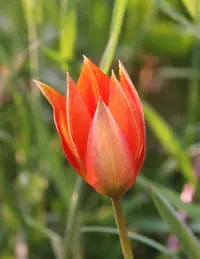
Unlike many yellow-flowered evening primroses, its blooms often age to soft orange or apricot hues, making it one of the more visually distinctive evening primroses in its native western US range.

Botan icon

Did you know?

Howard's evening primrose is considered regionally uncommon and is of conservation interest in parts of its range, because it occupies specialized dry habitats that are vulnerable to land-use change and overgrazing.

FAQs about Howard's evening primrose

This species forms a modest clump and can self-seed around the original plant, but it is not usually aggressive. In most garden settings, unwanted seedlings are easy to pull or thin to keep it contained.

Grow Healthy Plants with Botan Care

Keep your plants happy and healthy with plant identification, disease detection, and easy care guidance.

Botan plant care app — identify plants on mobile

Explore More Plants