


Use Sturdy Supports
Install discreet metal hoops or low stakes in early spring so the tall, heavy flowering stems can be gently tied and held upright before wind or rain causes lodging or stem breakage.

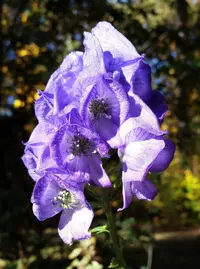
Monkshood, Aconitum carmichaeli 'Arendsii', is a hardy, clump-forming perennial grown mainly for its tall spikes of deep violet-blue flowers in late summer to fall. The upright stems carry divided, glossy, dark green leaves that create a dense, architectural clump in the border.
This plant originates from cooler regions of East Asia and is widely used in temperate gardens for late-season color. It thrives in consistently moist, humus-rich soil and prefers cool conditions with partial shade.
Understanding how to care for Monkshood is important because all parts are highly toxic and the plant dislikes heat, drought, and disturbance of its roots, which can make it less forgiving than many perennials.

Care Difficulty
Moderate Care

Light Preference
Partial Shade

Water Requirements
Regular Water

Temperature Preference
Cold Hardy

Hardiness Zone
3–8

Soil Texture
Loamy, Silty, Organic-rich

Soil pH
Acidic (5.5–6.5), Slightly acidic (6.5–7.0)

Soil Drainage
Moist but well-drained

Fertilization
Minimal (feed rarely)
Scan your plant to receive care tips personalized for your specific plant
Available on iOS and Android
This perennial prefers cool conditions with bright but not harsh light for strong flowering.
This plant needs consistently moist, cool soil without staying waterlogged.
This cool-climate perennial grows best in moderate temperatures and tolerates substantial cold.
This species tolerates a wide humidity range and usually needs no special humidity management outdoors.
Aconitum carmichaeli 'Arendsii' prefers consistently moist, cool, structured ground with reliable drainage.
This species can be grown in containers outdoors if the pot supports its tall, moisture-loving growth habit.
This perennial benefits from light, structured feeding but does not need heavy fertilization.
Pruning focuses on grooming and maintaining safe, sturdy growth rather than reshaping Aconitum carmichaeli 'Arendsii'.
This species is usually grown in the ground and resents frequent disturbance of its fleshy roots.
Propagation of this plant is possible but best done cautiously because of its toxicity and dislike of root disturbance.
This hardy perennial generally needs minimal winter care in most temperate climates.

Plant Health Check
Not sure what's wrong with your plant? Check your plant's health inside the app.
This monkshood flowers very late, often from late summer into mid-fall, providing one of the last reliable nectar sources for bumblebees in temperate gardens.
The cultivar 'Arendsii' is a selected garden hybrid of Aconitum carmichaeli chosen for strong stems, improved hardiness, and reliable flowering compared with many seed-grown monkshoods.
This plant thrives in cool-summer climates and tolerates frost well, often performing better and flowering more abundantly in regions with cooler night temperatures than many other late perennials.

All parts of Aconitum carmichaeli 'Arendsii' contain potent diterpenoid alkaloids similar to those in other Aconitum species, and documented poisoning cases in people and animals have occurred from accidental ingestion or contact with plant sap entering broken skin, so it is handled with gloves in professional horticulture and botanical gardens.
Poor flowering usually comes from too much shade, excess nitrogen, or stressed roots from drying out or staying waterlogged. Ensure stable moisture, adequate phosphorus, and cool conditions. These Monkshood care instructions help restore reliable late-season blooms.
Keep your plants happy and healthy with plant identification, disease detection, and easy care guidance.

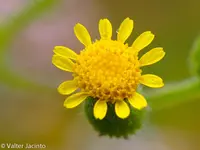
Senecio lividus
Senecio lividus
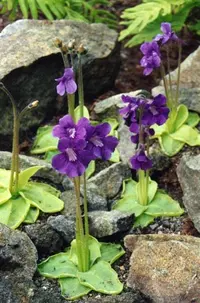
Large-flowered Butterwort
Pinguicula grandiflora
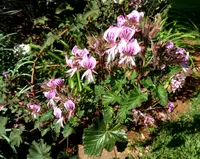
Heart-leaved pelagonium
Pelargonium cordifolium
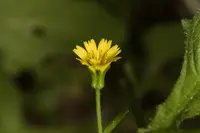
Edible Star-hawkbit
Rhagadiolus edulis
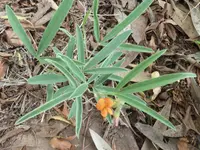
Orange Hoarypea
Tephrosia elongata
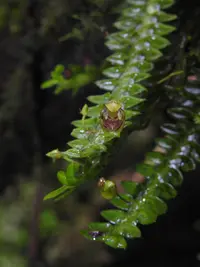
Dichaea neglecta
Dichaea neglecta

Acianthus amplexicaulis
Acianthus amplexicaulis
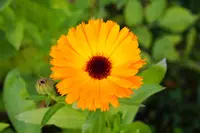
Pot marigold
Calendula officinalis