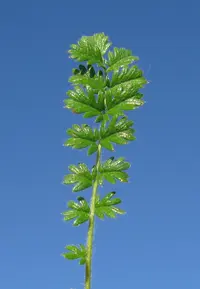
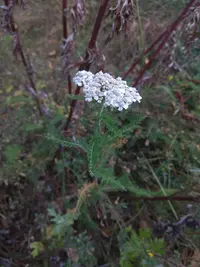
clockweed Care (Oenothera lindheimeri)

Also known as: Lindheimer's beeblossom, Lindheimer's clockweed, white gaura
clockweed

About clockweed

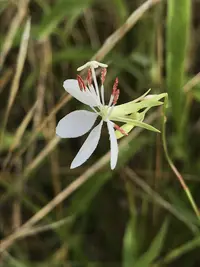
Clockweed, also known as Oenothera lindheimeri or Gaura, is a herbaceous perennial grown mainly for its light, airy flowers and graceful stems. It typically forms loose clumps with tall, wand-like flower spikes that sway in the wind.

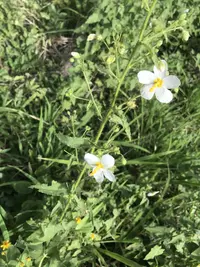
Native to prairies and open areas of Texas and Louisiana, it is adapted to sun, heat, and relatively poor, well-drained soils. The flowers are usually white to pale pink and open in succession, giving a long bloom season.

This plant is generally undemanding once established and tolerates drought and lean soil, which makes it suitable for low-maintenance gardens. Basic knowledge of how to care for clockweed focuses on providing sun, drainage, and avoiding constantly wet conditions.

Main Plant Requirements

Care Difficulty

Easy Care

Light Preference

Full Sun

Water Requirements

Low Water

Temperature Preference

Cold Hardy

Hardiness Zone

5–9

Soil Texture

Sandy, Loamy, Rocky

Soil pH

Acidic (5.5–6.5), Slightly acidic (6.5–7.0)

Soil Drainage

Well-drained

Fertilization

Minimal (feed rarely)

Get Personalized Care Plan

Scan your plant to receive care tips personalized for your specific plant

Available on iOS and Android

How to Care for the clockweed

This sun-loving perennial thrives in open, bright conditions typical of dry meadows and prairie-style plantings.

  • Provide 6–8 hours of direct sun daily; morning sun with some light afternoon shade suits hot, inland areas best.
  • In cooler or coastal climates, full sun all day promotes compact growth and abundant flowering of clockweed.
  • If stems flop or flowering drops, light is likely too low; in very intense sun, pale, crisping leaves indicate heat stress and benefit from slight afternoon shade.

This drought-tolerant perennial prefers lean, well-drained soil and benefits from a conservative watering approach.

  • Outdoors in the ground, water deeply only when the top 5–7 cm of soil are dry and stems start to look slightly relaxed, then soak the root zone once.
  • Use fast-draining, gritty soil; standing water or sticky, saturated soil greatly increases root rot risk, especially in clay-rich beds.
  • During cool seasons, rainfall often suffices for Oenothera lindheimeri; in summer heat waves, monitor for prolonged wilting that does not recover overnight as a sign to water.

This species handles a wide temperature range but performs best in warm, temperate conditions with dry air and good airflow.

  • Active growth and flowering are strongest around 65–80°F (18–27°C), with good tolerance of typical summer heat when soil is not waterlogged.
  • Mature plants often survive short dips to about 10–15°F (-12 to -9°C) in well-drained soil, especially with mulch protecting the crown in winter.
  • Extended frost, freeze–thaw cycles, or heat above 95°F (35°C) combined with high humidity can stress plants, so improve drainage and avoid heavy overhead watering in those periods.

This species tolerates a wide humidity range and rarely needs special humidity management indoors or outdoors.

This plant prefers light, fast-draining soil that avoids prolonged moisture around the roots.

  • Use a sandy or sandy-loam mix with coarse particles that prevent compaction and let water move through quickly.
  • Aim for slightly acidic to neutral pH around 6.0–7.0, which suits Oenothera lindheimeri in most garden settings.
  • For containers, combine roughly 60% all-purpose potting mix with 40% mineral grit such as coarse sand or fine gravel to increase drainage and aeration.
  • Avoid heavy clay, peat-heavy mixes without added grit, or any site where water pools or soil stays wet for more than a day.

This species is suitable for container growing, especially in sunny patios and balcony plantings.

  • Choose a wide, relatively deep pot to accommodate the plant’s taproot and spreading crown without crowding.
  • Use a heavier material such as terracotta or ceramic to steady tall, airy stems against wind and accidental knocks.
  • Raise the container slightly on pot feet or bricks so drainage holes stay clear and water does not collect under the base.

This drought-tolerant perennial needs only light feeding, as excessive nutrients reduce flowering and shorten plant lifespan.

  • Apply a thin layer of compost around the root zone once in spring to support steady growth.
  • If using fertilizer, choose a balanced slow-release NPK (such as 10-10-10) at half strength in early spring only.
  • Avoid midsummer and late-season feeding to prevent weak, lush growth prone to flopping and winter damage.
  • In poor soils, caring for clockweed can include a second very light compost top-up, but skip all feeding in winter dormancy.

Pruning helps keep Oenothera lindheimeri compact, flowering well, and prevents stems from becoming overly woody.

  • Use clean bypass pruners to remove dead, damaged, or weak stems whenever noticed.
  • In late winter or very early spring, cut back old, woody growth to 10–15 cm to encourage fresh shoots.
  • Lightly shear spent flower spikes through the growing season to promote continued blooming and a tidier shape.
  • Avoid cutting into the main crown in midsummer heat to reduce stress and sunscald on newly exposed tissue.

This species is usually grown in garden beds and prefers minimal disturbance, so transplanting should be infrequent and deliberate.

  • Transplant in early spring or early fall, when temperatures are mild and moisture is more consistent.
  • Move plants only when growth declines, clumps become congested, or roots circle the container in nursery stock.
  • Dig a wide, shallow hole, keeping the root ball intact, and replant at the same depth in well-drained soil.
  • Water thoroughly after transplanting, then keep soil lightly moist for 1–2 weeks to limit root stress and help reestablishment.

New plants are most often raised from seed, although short-lived clumps can also be renewed by division or cuttings.

  • Sow fresh seeds in late fall outdoors or in early spring; exposure to cool temperatures improves germination.
  • Use a free-draining mix, keep it just moist, and provide bright light for strong seedling development.
  • Divide younger clumps in early spring, replanting divisions immediately at the same depth in prepared soil.
  • Take softwood cuttings in late spring, treat with rooting hormone, and root in a light, moist, well-aerated medium.

This perennial is moderately cold hardy, but light protection improves reliability in regions with freezes and wet winters.

  • In USDA zones around 6–9, plants usually overwinter in the ground without major problems if drainage is good.
  • After frost blackens foliage, cut stems back to 5–10 cm to reduce rot and wind damage.
  • Apply a 3–5 cm layer of loose mulch around, not on, the crown to buffer freeze–thaw cycles.
  • In colder zones or containers, move pots to a sheltered, unheated space and keep soil barely moist, not wet.

Care Tips

Stake in Wind

In windy or exposed sites, place discreet bamboo stakes and soft ties along the main flowering stems early in the season to prevent lodging and breakage when the tall, airy growth is in full bloom.

Cutback for Flush

After the main flowering flush, shear the plant back by about one-third and lightly water to encourage a denser second wave of blooms and maintain a compact, tidy habit.

Mulch Root Zone

Apply a thin, 2–3 cm layer of mineral mulch such as fine gravel around the crown to reduce soil splash, improve drainage at the base, and help stabilize the plant in heavy rains.

Divide or Reset

Every 3–4 years, lift and divide crowded clumps in early spring or replace older plants to maintain vigor, since individual plants can become woody and short-lived under garden conditions.

Encourage Self-Sowing

If growing clockweed in a naturalistic border, leave some seedheads to mature and drop seed where conditions are suitable, then thin or transplant young volunteers to maintain a balanced, long-lived drift.

Common Pests and Diseases

Spider mites

This pest often appears during hot, dry weather and feeds on the undersides of leaves, causing fine speckling and a dull, stressed look. Symptoms include very fine webbing and gradual yellowing or bronzing of foliage.

Solution

Rinse stems and foliage thoroughly with a strong stream of water, focusing on the undersides of leaves, and repeat every few days until activity drops. For heavier infestations, use insecticidal soap or a horticultural oil labeled for mites and improve plant vigor by reducing drought stress and avoiding excess nitrogen fertilizer.

Aphids

These insects cluster on young stems and flower buds, sucking sap and causing distortion, sticky honeydew, and sometimes sooty mold growth. This pest can also stress plants during rapid growth or after pruning.

Solution

Pinch or hose off colonies and remove heavily infested shoot tips. If needed, apply insecticidal soap or a light horticultural oil in the cool part of the day, and encourage natural predators such as lady beetles by avoiding broad-spectrum insecticides.

Leaf spot

This disease causes small, irregular brown or tan spots on leaves that can merge into larger patches, leading to premature leaf drop in wet or humid weather. Symptoms include spotting that often starts on lower, older foliage where moisture lingers longest.

Solution

Remove and dispose of affected leaves and any dense debris around the base to reduce spore spread, and water at soil level rather than overhead. Improve air movement by spacing plants properly, and where leaf spot recurs each season, consider a labeled ornamental fungicide applied early in the season according to the package directions.

Powdery mildew

This disease produces a white, powdery coating on leaves and stems, often during warm days and cool, humid nights. Symptoms include distorted or stunted new growth and a dull, gray-green appearance of foliage.

Solution

Increase sun exposure and airflow where possible, and avoid overhead watering late in the day so foliage dries quickly. At the first sign of powdery growth, remove the worst-affected shoots and, if needed, use a sulfur or potassium bicarbonate fungicide labeled for ornamentals, following label timings closely as part of broader Oenothera lindheimeri care.

Interesting Facts

Floating butterfly effect

The white, four-petaled flowers are held on very slender stalks that move in light wind, creating the visual effect of a cloud of small white butterflies above the foliage, which is why the plant is commonly called white gaura or wandflower.

Long blooming season

In suitable climates this species can flower from late spring through fall, producing many small flowers in succession rather than a few large ones, which makes it valuable for sustaining pollinators over a long period.

Taproot drought strategy

It develops a deep, strong taproot that allows the plant to access water from deeper soil layers, which explains its notable drought tolerance once established and its sensitivity to disturbance or transplanting.

Botan icon

Did you know?

This species is native to dry prairies and open habitats in Texas and adjacent regions of the south-central United States, where it behaves as a short-lived perennial or reseeding plant, helping to stabilize light, sandy soils under hot, low-rainfall conditions.

FAQs about clockweed

Poor flowering often comes from too much shade, excess fertilizer, or plants becoming woody with age. Deadhead spent spikes, avoid high-nitrogen feeding, and ensure at least moderate light to support repeat blooming through the warm months.

Grow Healthy Plants with Botan Care

Keep your plants happy and healthy with plant identification, disease detection, and easy care guidance.

Botan plant care app — identify plants on mobile

Explore More Plants