alpine violet Care (Viola labradorica)

Also known as: Labrador violet, dog-violet, American dog violet
alpine violet

About alpine violet

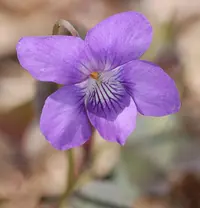
Alpine violet, commonly sold under the name Viola labradorica, is a low-growing perennial groundcover valued for its purple-tinged foliage and small violet flowers. It forms loose mats that spread gradually, filling gaps between stones or along path edges.

This species is native to cold regions of northeastern North America, where it grows in open woods, rocky slopes, and tundra-like habitats. Its hardiness and tolerance of cool temperatures make it suitable for many temperate gardens.

The plant prefers moist, well-drained soil and light shade, and usually manages short dry spells once established. Its toughness and modest size make it relatively simple to care for alpine violet in containers or shaded borders.

Main Plant Requirements

Care Difficulty

Easy Care

Light Preference

Partial Shade

Water Requirements

Moderate Water

Temperature Preference

Cold Hardy

Hardiness Zone

3–7

Soil Texture

Loamy, Silty, Organic-rich

Soil pH

Acidic (5.5–6.5), Slightly acidic (6.5–7.0)

Soil Drainage

Moist but well-drained

Fertilization

Minimal (feed rarely)

Get Personalized Care Plan

Scan your plant to receive care tips personalized for your specific plant

Available on iOS and Android

How to Care for the alpine violet

This woodland violet prefers bright, cool conditions with protection from harsh sun.

  • Provide 3–5 hours of gentle morning sun or dappled light under shrubs or open trees; avoid intense afternoon sun that can scorch leaves.
  • Site plants in partial shade, especially in warmer regions; alpine violet benefits from filtered light that keeps soil moist and foliage compact.
  • In summer, increase shade if leaves fade or curl; in early spring and fall, slightly more sun improves flowering without stressing the plant.

This species prefers consistently moist but not waterlogged soil.

  • Allow the top 2–3 cm of soil to dry slightly, then water thoroughly so moisture reaches the root zone, especially during active spring growth.
  • Use well-drained, humus-rich soil; soggy conditions cause root rot, yellowing foliage, and collapse, while very dry soil leads to wilting and dull, limp leaves.
  • Reduce watering frequency in mid-summer heat or winter dormancy, but never let the soil bake hard or stay saturated for more than 1–2 days.

This cool-climate perennial tolerates considerable cold but dislikes extreme heat.

  • Aim for active growth in 50–70°F (10–21°C); flowering is strongest in the cooler part of this range, especially in spring and fall.
  • Plants survive down to about -20°F (-29°C) in the ground with mulch; foliage may die back, but crowns usually resprout in spring.
  • Heat above 80°F (27°C) can stress plants; provide shade, consistent moisture, and mulch in hot summers to protect roots from overheating.

This species handles typical indoor humidity well but grows best with slightly moist air.

  • Aim for 40–60% humidity, which suits foliage without encouraging fungal problems.
  • Tolerates short periods of dry air, but curled or crisp leaf edges and slow growth can indicate humidity stress rather than drought.
  • Increase humidity locally by grouping pots, placing trays with pebbles and water nearby, or using a small humidifier during very dry heating seasons when caring for alpine violet.

This plant prefers loose, humus-rich, evenly moist soil that still drains freely.

  • Use a loamy mix with high organic content, such as 2 parts peat- or coir-based potting mix, 1 part compost, and 1 part fine bark or perlite for structure.
  • Ensure rapid drainage; water should move through within seconds, leaving the mix moist but never waterlogged to protect fine roots from rot.
  • Aim for slightly acidic to neutral pH, around 6.0–7.0, which supports nutrient uptake and stable leaf color in Viola labradorica.
  • Improve aeration and prevent compaction by incorporating fibrous materials like fine bark or leaf mold rather than relying only on dense compost.

This species is well suited to container growing on patios, balconies, or shaded steps.

  • Choose a wide, shallow pot to match its spreading habit, allowing lateral root room without forcing deep, wet soil layers.
  • Use ceramic or thick-walled containers in sunny or windy spots to keep the root zone from drying out unevenly.
  • Elevate the pot slightly on feet or bricks so drainage holes stay clear and runoff escapes quickly after heavy rain or watering.

Viola labradorica grows well in modestly fertile soil and benefits from light feeding during active growth.

  • Use a balanced liquid fertilizer (such as 10-10-10) at 1/4–1/2 strength every 4–6 weeks in spring and early summer.
  • Alternatively, mix a small amount of compost into the top 2–3 cm of soil at the start of the growing season.
  • For containers, a low-dose slow-release fertilizer pellet in spring supports alpine violet indoor care without excessive vigor.
  • Stop feeding in late summer and do not fertilize during winter dormancy to prevent soft, weak growth.

Viola labradorica needs only light, periodic pruning to stay neat and encourage fresh foliage and flowers.

  • In early spring, trim back winter-damaged or dead leaves using clean, sharp scissors or hand pruners.
  • Deadhead spent flowers and remove yellowing stems through the season to extend blooming and reduce self-seeding.
  • Thin out crowded patches by lifting small clumps and removing weaker growth to maintain an even, low mat.
  • After a flush of bloom, lightly shear the foliage if it looks tired; this promotes compact new growth.

This violet is more often transplanted in the garden than repotted, as it forms low spreading clumps.

  • Transplant in early spring or early fall when temperatures are mild and soil is evenly moist.
  • Move clumps when growth becomes congested, flowering declines, or plants spread beyond their intended area.
  • Lift the clump with a trowel, keeping roots and surrounding soil intact to limit stress and transplant shock.
  • Replant at the same depth, water thoroughly, and shade lightly for a few days until Viola labradorica resumes firm, upright growth.

Viola labradorica is commonly multiplied by division or seed, both suited to small garden patches.

  • Divide established clumps in early spring or early fall, ensuring each section has healthy roots and several shoots.
  • Replant divisions immediately into moist, well-drained soil and water consistently until new growth appears.
  • For seeds, surface-sow fresh seed in trays or outdoor beds in fall, allowing natural winter chilling for germination.
  • Maintain cool conditions and lightly moist substrate; seedlings can be transplanted once they have 2–3 true leaves.

This species is generally cold hardy in much of the US and needs only minimal winter care once established.

  • In cold regions, apply a 3–5 cm layer of leaf mulch around the root zone after the ground cools but before deep freezes.
  • Container-grown plants are more vulnerable; move pots into a sheltered, frost-free but cool spot if winters drop well below freezing.
  • Avoid waterlogged soil in winter by ensuring good drainage, which helps crowns and roots survive repeated freeze–thaw cycles.

Care Tips

Divide Mature Clumps

Every 2–3 years in early spring, lift and gently split congested clumps into smaller sections to maintain vigor and prevent the center from thinning out.

Use Living Groundcover

Plant among low, shallow-rooted companions like creeping thyme or low sedums to shade the soil surface, which helps keep roots cool and suppresses weeds without competing heavily for moisture.

Leaf Litter Mulch

In autumn, leave a thin layer of shredded leaves around plants to mimic woodland duff, improving winter protection and slowly adding organic matter as it decomposes.

Cool-Root Container Setup

For containers, use a light-colored or double-pot system (a decorative outer pot and a plastic inner pot) to reduce root-zone overheating on sunny patios and improve alpine violet indoor care.

Self-Seeding Management

Mark the planting area and remove unwanted seedlings while small in late spring so the plant can naturalize in a controlled way without crowding neighboring species.

Common Pests and Diseases

Powdery mildew

This disease causes a white, powdery coating on leaves, often in crowded or shaded plantings with poor air movement. Symptoms include distorted new growth and reduced vigor, especially in warm, dry air with cool nights.

Solution

Remove and discard heavily affected leaves to reduce spore load, then thin surrounding vegetation to improve airflow and reduce shade. Water at soil level in the morning, avoid wetting foliage, and if needed apply a sulfur or potassium bicarbonate fungicide labeled for ornamental groundcovers, following label directions carefully.

Leaf spot

This disease produces small purple, brown, or black spots on leaves that may enlarge and merge, eventually causing yellowing and premature leaf drop. Symptoms include cosmetic damage to the low rosettes, especially in damp, cool weather or where foliage stays wet for long periods.

Solution

Cut off and dispose of affected leaves to reduce spread and avoid overhead watering so foliage can stay dry. Improve spacing and airflow, then use a copper- or chlorothalonil-based fungicide if spotting is extensive and conditions remain humid.

Aphids

These insects cluster on young stems and the undersides of leaves, sucking sap and causing curling, distortion, and sticky honeydew on the dense groundcover foliage. This pest often appears during flushes of tender new growth in spring and early summer.

Solution

Spray plants with a firm stream of water to knock aphids off and repeat as needed, then spot-treat remaining colonies with insecticidal soap or a light horticultural oil, ensuring thorough coverage of leaf undersides. Encourage natural predators such as lady beetles by avoiding broad-spectrum insecticides in the surrounding area.

Slugs and snails

These pests chew irregular holes in leaves and can skeletonize small rosettes, especially in shaded, moist beds and under groundcover mats. Symptoms include slime trails on soil or foliage and damage that is worst at the edges of plantings and near stones or mulch.

Solution

Hand-pick slugs and snails in the evening or early morning and remove hiding places such as dense debris or boards left on the soil surface. Use iron phosphate bait around, not on, the plants and adjust watering so the soil is moist but the surface is not constantly wet, which supports more sustainable Viola labradorica care.

Interesting Facts

Purple foliage response

The leaves often emerge deep purple in spring due to high concentrations of protective pigments called anthocyanins, then can fade toward green as light intensity and temperature change through the season.

Boreal and Arctic range

This species is native to cold regions of northeastern North America, including subarctic and boreal habitats, and is naturally adapted to short growing seasons and low temperatures.

Dual reproduction strategy

In addition to showy, insect-pollinated spring flowers, it also forms small, closed, self-pollinating flowers later in the season, ensuring seed production even when pollinators are scarce.

FAQs about alpine violet

Lack of blooms often comes from too little light, overly rich nitrogen fertilizer, or old, crowded clumps. Allow a cool winter rest, avoid heavy feeding, and divide congested patches every few years to restore flowering.

Grow Healthy Plants with Botan Care

Keep your plants happy and healthy with plant identification, disease detection, and easy care guidance.

Botan plant care app — identify plants on mobile

Explore More Plants