dwarf yatay palm Care (Butia paraguayensis)

Also known as: yata'i, butiá-do-cerrado
dwarf yatay palm

About dwarf yatay palm

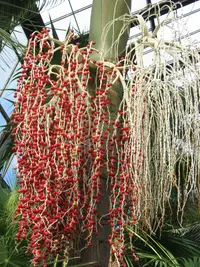
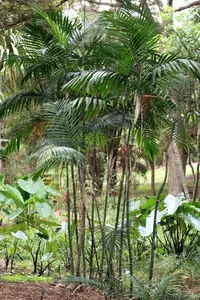
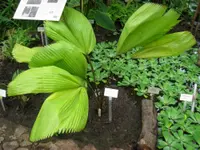
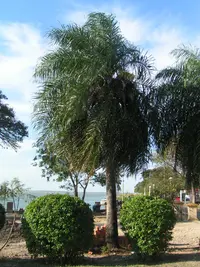
Dwarf yatay palm, Butia paraguayensis, is a small, slow-growing palm valued for its compact size and feather-like, blue-green fronds. It typically forms a short trunk or clumping base, making it suitable for smaller gardens and large containers.

This species is native to grasslands and open woodlands of Paraguay, Brazil, Uruguay, and northern Argentina, where it experiences seasonal drought and full sun. Its natural toughness and tolerance of poor, sandy soils make it relatively easy to grow for patient gardeners.

Understanding how to care for dwarf yatay palm starts with providing bright light, good drainage, and moderate watering that allows the soil to dry slightly between waterings.


Main Plant Requirements

Care Difficulty

Moderate Care

Light Preference

Full Sun

Water Requirements

Low Water

Temperature Preference

Warm Climate

Hardiness Zone

9–11

Soil Texture

Sandy, Loamy, Rocky

Soil pH

Slightly acidic (6.5–7.0), Neutral (7.0)

Soil Drainage

Well-drained

Fertilization

Minimal (feed rarely)

Get Personalized Care Plan

Scan your plant to receive care tips personalized for your specific plant

Available on iOS and Android

How to Care for the dwarf yatay palm

This palm prefers bright, open conditions and develops best with consistent sun exposure.

  • Provide 6–8 hours of direct sun daily; full sun is ideal, especially in cooler, drier climates where leaf scorch is less likely.
  • Tolerates light partial shade, such as morning sun with light afternoon shade, but too much shade leads to sparse, elongated fronds and slower growth.
  • In very hot regions, give dwarf yatay palm slight protection from harsh late-afternoon summer sun to reduce leaf burn and water stress.

Watering should support deep rooting while avoiding prolonged soil saturation.

  • Allow the top 5–7 cm of soil to dry before watering again; in most outdoor soils this means deeper, less frequent soakings rather than light surface watering.
  • Increase watering during hot, dry periods, watching for early wilting or dull, folding leaflets as signs the soil has stayed dry for too long.
  • Ensure sharply draining soil or a sloped site; yellowing lower fronds, soft crown tissue, or persistent soggy ground indicate overwatering and root stress in Butia paraguayensis.

This species is relatively cold-hardy for a palm but still benefits from moderate, stable temperatures.

  • Optimal growth occurs around 65–85°F (18–29°C), with fastest leaf production in warm, bright seasons if moisture is adequate.
  • Mature plants can survive brief drops near 15–20°F (-9 to -6°C) when dry, but repeated hard freezes and wet, cold soil increase the risk of crown and root damage.
  • In hotter areas above 95°F (35°C), provide soil mulch and consistent moisture; during winter, cold winds combined with frost can desiccate fronds even if the trunk survives.

This palm handles a wide humidity range but prefers moderately dry air.

  • Aim for 30–50% humidity; avoid sustained levels above 70% to limit fungal issues.
  • Dry indoor air is usually tolerated, but prolonged extreme dryness may cause brown leaflet tips and margins.
  • If tips crisp in heated rooms, group pots together or place a wide, shallow pebble tray with water nearby for a slight local boost.

Butia paraguayensis prefers fast-draining, slightly sandy soil that does not stay wet.

  • Use a mix of roughly 40% coarse sand, 40% loam or all-purpose potting mix, and 20% inorganic grit such as perlite or small pumice.
  • Ensure water drains through in seconds, not minutes; waterlogged or compacted soil quickly stresses roots and promotes rot.
  • Maintain slightly acidic to neutral pH (6.0–7.0); avoid highly alkaline mixes that can lock up nutrients and cause pale foliage.
  • For growing dwarf yatay palm in pots, keep organic matter moderate rather than high to preserve structure and prevent prolonged moisture retention.

This species is suitable for container growing, especially in cooler climates where winter protection is needed.

  • Choose a deep, heavy container to stabilize the slow but eventually top-heavy crown in strong winds.
  • Select thick-walled terracotta or similar porous material if extra moisture loss is needed in humid or rainy regions.
  • Raise the pot on feet or bricks so drainage holes stay clear and excess water leaves the root zone quickly after watering or storms.

This small palm benefits from modest feeding to support steady growth in containers or nutrient-poor soils.

  • Use a slow-release, palm-formula or balanced NPK fertilizer at half strength at the start of spring.
  • Feed dwarf yatay palm every 8–10 weeks during the warm growing season if growth is active.
  • Avoid fertilizing in late fall and winter when growth slows, especially in cooler regions.
  • Water before and after feeding to reduce root burn, and keep granular products off the trunk base.

Pruning Butia paraguayensis is mainly sanitary, aimed at removing old fronds while preserving the natural crown shape.

  • Best time is late winter to early spring, before strong new growth starts.
  • Remove only dead, brown, or badly damaged fronds and flower stalks, leaving any green tissue intact.
  • Avoid cutting too close to the trunk to reduce infection risk and trunk scarring.
  • Use clean, sharp loppers or a pruning saw, disinfecting blades between plants to limit disease spread.

Container-grown or young landscape plants need careful transplanting due to the palm’s sensitive root system.

  • Check for roots circling the pot, pushing through drainage holes, or for notably slow growth before moving the plant.
  • Plan transplanting for late spring to early summer, once soil is warm and frost risk has passed.
  • Transplant Butia paraguayensis every 3–5 years or only when clearly rootbound, choosing a slightly larger container or permanent ground site.
  • Handle the root ball gently, keep it intact, water deeply after planting, and shade temporarily to reduce transplant shock.

Multiplying this species is usually done from seed, which can be slow and demands stable warmth.

  • Collect ripe seeds in late summer to autumn and clean off remaining fruit flesh to reduce rot risk.
  • Sow seeds in a fast-draining, sandy mix kept at 75–85°F with consistent, light moisture, not saturation.
  • Provide bright, indirect light and patience, as germination may take several months or longer.
  • Avoid division or offshoot removal on mature palms, as the single trunk and root system do not tolerate disturbance well.

This palm shows fair cold tolerance but still benefits from some winter preparation in cooler climates.

  • Mature plants may handle brief drops near 15–20°F, but young specimens are more vulnerable to damage.
  • Apply 5–8 cm of organic mulch around the root zone, keeping it slightly away from the trunk base.
  • In areas with hard freezes, loosely wrap the crown with breathable frost cloth during the coldest nights.
  • Move container plants to a bright, cool indoor or sheltered spot and reduce watering until spring.

Care Tips

Root-zone mulching

Apply a 5–8 cm layer of coarse, well-draining mulch like pine bark or gravel around the root zone, keeping it 5–10 cm away from the trunk to stabilize soil temperature, reduce evaporation, and protect surface roots without encouraging rot at the crown.

Wind acclimation

When moving young plants to exposed sites, gradually increase wind exposure over 2–3 weeks using temporary windbreaks such as shade cloth or mesh panels so the fronds and trunk tissues toughen and are less likely to snap in strong gusts.

Frond removal technique

Always cut old fronds cleanly at the base with sharp, disinfected tools and leave a small stub rather than tearing or pulling, which prevents trunk wounds that can attract pathogens and borers.

Cold event preparation

Before forecast frosts below the plant’s tolerance, tie fronds loosely upward, wrap the crown with breathable frost cloth, and place a thick dry mulch ring over the root zone to reduce cold damage to the growth point and fine roots.

Pot stability management

For container plants in windy or high-traffic areas, use a wide, heavy pot, add extra weight at the base with gravel, and orient the plant so the longest fronds sit downwind to reduce tipping and mechanical stress on the root ball while growing dwarf yatay palm.

Common Pests and Diseases

Palm aphids

These insects cluster on young fronds and flower stalks, sucking sap and causing leaf distortion, sticky honeydew, and sooty mold growth. This pest is more common on palms grown in sheltered, warm spots or containers.

Solution

Prune and discard heavily infested fronds, then hose remaining foliage with a strong water spray to dislodge colonies. If needed, follow with applications of insecticidal soap or horticultural oil every 7–10 days, making sure to coat the undersides of leaflets and emerging spears.

Palm scale

This pest appears as small, fixed bumps on leaf stalks and along the midrib, leading to yellowing, reduced vigor, and sometimes premature frond drop. This pest is favored by dry, stressed conditions and low air movement.

Solution

Physically scrape or rub off accessible scale with a soft cloth or toothbrush, then treat remaining areas with horticultural oil, repeating after 10–14 days to target newly hatched crawlers. Improve plant vigor with proper watering and nutrition, and avoid overuse of nitrogen fertilizers that encourage tender, susceptible growth.

Pink bud rot

This disease affects the central growing point (bud), especially in hot, humid, rainy periods, causing spear leaves to rot, collapse, and pull out easily. Symptoms include browning at the base of the spear and foul odor from decaying tissue.

Solution

Immediately remove and discard rotting spear leaves and any soft tissue around the bud to slow pathogen spread, then drench the crown area with a labeled copper-based fungicide. Improve drainage, avoid overhead irrigation on the crown, and keep old leaf bases trimmed away from the bud area to promote airflow.

Ganoderma butt rot

This disease attacks the lower trunk and root collar, leading to gradual decline, thinning canopy, and eventual collapse; bracket-shaped mushrooms may form near the base. This disease is typically associated with poorly drained or disturbed soils and prior trunk damage.

Solution

There is no curative treatment, so affected palms should be removed, including as much of the stump and major roots as possible, and not replaced with another palm in the same spot. Prevent problems by avoiding trunk wounds, maintaining good drainage, and not piling soil or mulch against the base of the trunk when trying to grow Butia paraguayensis in landscapes.

Interesting Facts

Southern cone specialist

This species is naturally restricted to parts of Paraguay, southern Brazil, Uruguay, and northern Argentina, where it grows in open grasslands and rocky slopes rather than in dense forest like many other palms.

Cold-tolerant palm

Unlike many tropical palms, this species tolerates brief drops close to freezing in its native range, which has made Butia paraguayensis care of interest in regions with mild winters.

Miniature jelly palm relative

It is closely related to the larger jelly palm Butia odorata but stays much smaller, often forming low, clumping trunks that blend into grassland vegetation and help it withstand wind and grazing pressure.

Botan icon

Did you know?

In parts of its native range, dense stands of this palm form distinctive palm savanna or campo environments that are considered a characteristic landscape feature and support specialized grassland and scrub fauna.

FAQs about dwarf yatay palm

Brown leaf tips or fronds usually come from low humidity, underwatering, salt or fertilizer buildup, or cold and wind scorch. Trim only fully dead parts, flush the soil occasionally, and protect from harsh exposure to prevent further damage.

Grow Healthy Plants with Botan Care

Keep your plants happy and healthy with plant identification, disease detection, and easy care guidance.

Botan plant care app — identify plants on mobile

Explore More Plants