Achillea asiatica Care

Achillea asiatica

About Achillea asiatica

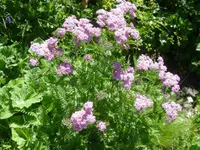
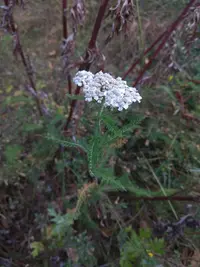
Achillea asiatica is a hardy, herbaceous perennial in the daisy family, valued for its flat-topped flower clusters and finely divided, fern-like foliage. It typically forms low clumps with upright flowering stems, creating a neat, meadow-like look in beds and borders.

This species occurs naturally in parts of northern Asia, where it grows in open, sunny grasslands and light woodland edges. Its toughness, cold tolerance, and modest care needs make it suitable for many temperate gardens.

It generally prefers full sun, well-drained soil, and moderate moisture. Gardeners who want to learn how to care for Achillea asiatica usually find it forgiving once established, as long as soil does not stay waterlogged.

Main Plant Requirements

Care Difficulty

Easy Care

Light Preference

Full Sun

Water Requirements

Low Water

Temperature Preference

Cold Hardy

Hardiness Zone

3–7

Soil Texture

Sandy, Loamy, Rocky

Soil pH

Slightly acidic (6.5–7.0), Slightly alkaline (7.0–7.5)

Soil Drainage

Well-drained

Fertilization

Minimal (feed rarely)

Get Personalized Care Plan

Scan your plant to receive care tips personalized for your specific plant

Available on iOS and Android

How to Care for the Achillea asiatica

This species prefers open, bright conditions typical of sunny meadows.

  • Provide full sun for 6–8 hours per day; 4–5 hours is the minimum for reliable flowering in Achillea asiatica.
  • Tolerates light partial shade, especially with morning sun and light afternoon shade in hotter regions, but stems may stretch and flowering can decrease.
  • In summer, strong afternoon sun can scorch foliage in very dry, exposed sites; in autumn and early spring, maximize sun by avoiding shade from buildings or shrubs.

This plant is drought tolerant once established and prefers relatively dry conditions.

  • Allow the top 3–5 cm of soil to dry before watering; the soil should feel dry and crumbly rather than cool and moist to the touch.
  • In spring and early summer, water more often during establishment, then reduce once roots are deep; in cool, rainy seasons, extra watering is rarely needed.
  • Ensure sharply drained soil to prevent root rot; signs of overwatering include yellowing, limp stems, while crisp, browning leaf tips indicate underwatering for Achillea asiatica.

This hardy perennial tolerates a wide temperature range typical of temperate climates.

  • Optimal active growth occurs around 65–75°F (18–24°C), with strong flowering during warm, bright summers.
  • Established plants tolerate lows down to about -20°F (-29°C) in the ground, surviving winter dormancy in most cold regions without protection.
  • In hot spells above 90°F (32°C), flowering may slow and foliage can scorch if combined with drought; light mulch helps buffer root temperatures in summer and winter.

This species handles a wide humidity range and usually needs no special adjustments in typical home or garden conditions.

This plant prefers lean, well-drained mineral soils that never stay waterlogged.

  • Use sandy or gravelly loam with low to moderate organic matter to prevent overly rich, soggy conditions.
  • Aim for slightly alkaline to neutral pH around 6.5–7.5, adding garden lime if the soil is very acidic.
  • Blend coarse sand or fine gravel into dense or clay-heavy ground to improve drainage and root aeration.
  • Avoid compacted, peat-heavy, or constantly wet substrates, which promote weak growth and root rot in Achillea asiatica.

This species can grow successfully in containers when drainage and root space are managed carefully.

  • Choose a wide, shallow to medium-depth pot to accommodate its spreading rhizomes without excessive unused depth that traps moisture.
  • Use a gritty mix, such as 2 parts potting soil to 1 part coarse sand or grit, to keep the root zone sharply drained after heavy rain.
  • Select terracotta or other porous materials outdoors so the root zone dries faster and the pot remains stable against wind.

This hardy perennial grows well in lean soil and needs only light feeding to maintain flowering.

  • Apply a light dressing of compost or a balanced slow-release fertilizer (around 10-10-10) once in early spring.
  • Use low to moderate doses; avoid high-nitrogen products that cause floppy growth and fewer blooms in Achillea asiatica.
  • If using liquid fertilizer, dilute to 1/2–1/4 strength and apply every 6–8 weeks in the growing season.
  • Stop feeding in late summer so growth hardens before winter and avoid fertilizing during winter dormancy.

Pruning supports compact growth and sustained flowering for Achillea asiatica.

  • Use clean hand pruners or sharp scissors to cut spent flower stems down to the foliage after blooms fade.
  • Remove dead, damaged, or weak stems in late winter or very early spring before new growth starts.
  • Shear back up to 1/3 of the plant after the first main flush to encourage a tidier shape and possible rebloom.
  • Every few years, thin crowded stems at the base to maintain good air flow and reduce disease risk.

This yarrow is more often transplanted in garden beds than kept as a long-term container plant.

  • Transplant or divide clumps every 3–4 years in early spring or early fall to refresh crowded patches and maintain vigor.
  • In containers, look for roots circling the pot, quick drying soil, or reduced growth as signs a larger pot is needed.
  • Move plants with a generous soil root ball, keep roots shaded, and water thoroughly before and after transplanting to limit stress.
  • Choose a well-drained, low- to medium-fertility site at the same soil depth as before to prevent rot and lodging.

New plants are commonly raised by division, stem cuttings, or seeds.

  • Divide established clumps of Achillea asiatica in early spring or early fall, replanting vigorous outer sections and discarding woody centers.
  • Take 7–10 cm non-flowering stem cuttings in late spring, place in moist, free-draining mix, and keep in bright, indirect light until rooted.
  • Sow seeds in late winter to early spring on the surface of well-drained mix, as light aids germination, and keep at 65–70°F.
  • Space new plants where air circulation is good to minimize mildew as they mature.

This species is generally cold hardy and needs minimal winter care in most temperate climates.

  • After hard frost, cut back dead stems to a low tuft to keep the planting tidy and reduce disease carryover.
  • In colder areas, add a 3–5 cm layer of dry mulch around the crown, keeping it slightly away from direct stem contact.
  • Container plants benefit from moving to a sheltered, unheated location where roots experience less freeze–thaw cycling.

Care Tips

Encourage Dense Growth

Shear spent flower stalks back by 1/3 after the first flush to trigger compact, bushy regrowth and a longer blooming season when growing Achillea asiatica.

Prevent Flop With Spacing

Plant in moderately tight drifts (about 30–40 cm apart) so neighboring plants support each other and reduce stem lodging in windy or rainy sites.

Control Self-Seeding

Deadhead before seed ripens or cut entire flower umbels for drying to prevent unwanted spread and keep named selections from crossing with wild yarrow.

Strategic Division Timing

Divide clumps every 3–4 years in early spring just as new shoots appear, replanting only the most vigorous outer sections to maintain strong, floriferous plants.

Monitor For Rust

Check lower leaves in mid to late summer for orange-brown pustules, remove and destroy affected foliage promptly, and improve air circulation to limit rust development.

Common Pests and Diseases

Powdery mildew

This disease causes a white, powdery coating on leaves and stems, often appearing during warm days with cool, humid nights. Symptoms include distorted foliage and reduced flowering if the infection is heavy.

Solution

Improve air circulation by spacing plants well and thinning crowded clumps, and avoid overhead watering late in the day. Remove heavily infected leaves and, if needed, apply a sulfur or potassium bicarbonate fungicide early in the infection period, following the label carefully.

Botrytis blight

This disease produces gray, fuzzy mold on flower heads and upper foliage, especially in cool, damp conditions or where spent blooms are left in place. Symptoms include browning and collapse of flower clusters and spotting on leaves.

Solution

Remove and discard affected flower heads and foliage promptly and avoid wetting the flowers when watering. Improve drainage and airflow around the plants, and in persistent cases use a labeled fungicide during prolonged wet weather while continuing regular deadheading and sanitation as part of overall Achillea asiatica care instructions.

Aphids

These insects cluster on soft stems and flower stalks, sucking sap and excreting sticky honeydew that can attract sooty mold. Symptoms include curled or distorted young growth and reduced vigor in dense infestations.

Solution

Dislodge colonies with a firm spray of water, focusing on stems and undersides of leaves, and remove heavily infested stems. If populations remain high, apply insecticidal soap or a light horticultural oil in the early morning, repeating as needed while protecting beneficial insects as much as possible.

Spittlebugs

This pest is recognized by foamy white masses on stems and in leaf axils, where the nymphs hide and feed. Symptoms include minor cosmetic damage to stems and occasional slight distortion of young shoots when numbers are high.

Solution

Wipe or rinse off the foam masses with a strong stream of water to expose and remove the nymphs. Keep the area around the plants free of dense weeds and debris that shelter adults, and consider hand-removal during inspections if populations are localized.

Leaf miners

These insects create pale, winding tunnels inside the leaves as the larvae feed between leaf surfaces. Symptoms include serpentine trails and blotches that can reduce photosynthesis and make foliage look unattractive.

Solution

Remove and discard leaves showing fresh mines to prevent larvae from completing their development. Encourage natural predators, and if damage is recurring and severe, use a systemic insecticide labeled for ornamental perennials, timing applications to target the larval stage based on local extension guidance.

Interesting Facts

Cold-steppe specialist

This yarrow species is naturally distributed across cold steppe and forest-steppe regions of Siberia, Mongolia, and parts of northern Asia, showing strong adaptation to long, harsh winters and short growing seasons.

Morphological variability

Populations show noticeable variation in plant height, leaf dissection, and hairiness depending on local climate and soil conditions, which has led botanists to describe several regional forms within the species.

Insect-pollinator resource

Its flat-topped flower clusters provide an efficient landing platform and abundant small florets that attract a wide range of short-tongued pollinating insects, especially small bees, hoverflies, and beetles in open grassland habitats.

FAQs about Achillea asiatica

This species spreads by short rhizomes and self-seeding, forming clumps that can slowly enlarge. It is usually manageable in home gardens. Deadheading, dividing every few years, and removing unwanted seedlings help control spread.

Grow Healthy Plants with Botan Care

Keep your plants happy and healthy with plant identification, disease detection, and easy care guidance.

Botan plant care app — identify plants on mobile

Explore More Plants