Pinch For Bushiness
Pinch out the soft tips of young stems when they reach 10–15 cm to encourage a denser, more compact plant with more flowering shoots.

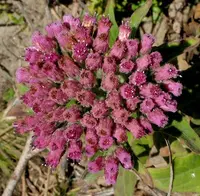
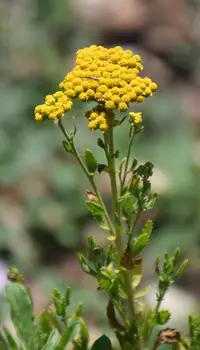
Sweetscent, Pluchea odorata, is a fragrant herbaceous plant in the aster family, often found in wet or marshy areas. It usually grows as a bushy clump with narrow leaves and clusters of small, pink to purplish flower heads.
This species is native to the Americas and is commonly seen along coasts, ditches, and freshwater wetlands. Its fast growth and tolerance of moisture make it relatively easy to establish in suitable conditions.
Gardeners who care for sweetscent should note its preference for full sun, consistently moist soil, and good drainage to avoid root problems.

Care Difficulty
Moderate Care

Light Preference
Full Sun

Water Requirements
Regular Water

Temperature Preference
Tropical / Frost Sensitive

Hardiness Zone
9–11

Soil Texture
Sandy, Loamy, Silty

Soil pH
Slightly acidic (6.5–7.0), Neutral (7.0)

Soil Drainage
Moist but well-drained

Fertilization
Minimal (feed rarely)
Scan your plant to receive care tips personalized for your specific plant
Available on iOS and Android
Pluchea odorata prefers bright, warm conditions similar to a sunny, moist meadow edge.
This species prefers consistently moist conditions without staying waterlogged.
This warm-season plant thrives in mild to hot conditions and declines quickly in cold.
This species tolerates a broad humidity range and usually does not need special humidity management indoors.
This species prefers light, well-drained soil that still holds moderate moisture.
This species is suitable for container growing outdoors where temperatures remain warm.
This adaptable wildflower, often called sweetscent, usually needs only light feeding in average garden soil.
Pruning supports compact growth and sustained flowering in Pluchea odorata.
This species is more often transplanted in beds or naturalized areas than kept long term in containers.
Pluchea odorata is commonly propagated by seeds and, less often, by softwood cuttings.
In mild climates this plant needs little winter care, but it is tender where hard frosts are common.

Plant Health Check
Not sure what's wrong with your plant? Check your plant's health inside the app.
The crushed leaves and flowering tops release a scent reminiscent of vanilla or cinnamon due to aromatic compounds in the essential oil, which is why the plant is commonly called sweetscent or saltmarsh fleabane.
This species often grows in brackish or coastal wetlands in the southeastern US, Caribbean, and parts of Central and South America, tolerating periodically saline and waterlogged soils that many other herbs cannot handle.
In its native range, sweetscent can flower well into late summer and fall, providing nectar and pollen for butterflies and other pollinators when many earlier-flowering wetland plants have already finished blooming.

Dried flowering material of sweetscent has been traditionally used in some Caribbean communities as a natural insect-repellent fumigant, with smoke from smoldering plants helping to drive away mosquitoes and other biting insects during evening gatherings.
This species is highly attractive to butterflies, native bees, and other beneficial insects. The scented flower clusters provide nectar and pollen over an extended period, making it useful in pollinator gardens and wildlife-friendly borders.
Keep your plants happy and healthy with plant identification, disease detection, and easy care guidance.