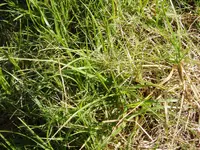
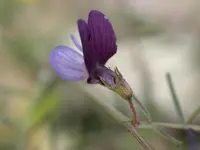
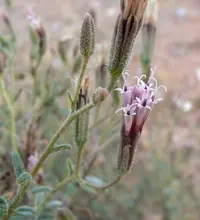
Coast Bonefruit Care (Threlkeldia diffusa)

Coast Bonefruit

About Coast Bonefruit

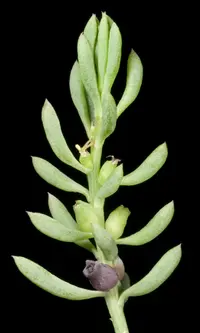
Coast bonefruit (Threlkeldia diffusa) is a low, spreading coastal plant native to sandy shorelines and saltmarshes of southern Australia. It forms small, dense mats with succulent, grey-green leaves and tiny, inconspicuous flowers.

This species is naturally tolerant of salt, wind, and poor soils, which makes it a resilient option for tough coastal-style gardens. Its creeping habit helps stabilize sandy ground and fill gaps between rocks.

In cultivation, it prefers sunny, open positions with freely draining, sandy or gritty soil and moderate moisture. These traits make it relatively straightforward to care for Coast Bonefruit in suitable climates.

Main Plant Requirements

Care Difficulty

Moderate Care

Light Preference

Full Sun

Water Requirements

Moderate Water

Temperature Preference

Warm Climate

Hardiness Zone

9–11

Soil Texture

Sandy, Loamy

Soil pH

Slightly acidic (6.5–7.0), Neutral (7.0)

Soil Drainage

Well-drained

Fertilization

Minimal (feed rarely)

Get Personalized Care Plan

Scan your plant to receive care tips personalized for your specific plant

Available on iOS and Android

How to Care for the Coast Bonefruit

This coastal species prefers bright, open conditions with some protection from extreme heat.

  • Provide 6–8 hours of sun daily, ideally with full morning sun and light afternoon shade in hotter inland sites.
  • Tolerates light to partial shade (3–4 hours sun), but Coast Bonefruit may grow looser and flower less with very low light.
  • In summer, avoid intense, reflected afternoon sun that can scorch foliage; in cooler seasons, slightly more direct sun supports compact growth.

This plant is adapted to coastal habitats and prefers slightly dry, free-draining conditions.

  • Water when the top 3–5 cm of soil feel dry and the surface looks lighter in color, rather than on a fixed schedule.
  • Use sandy or gritty soil with excellent drainage so excess water runs off quickly, reducing risk of root rot and yellowing leaves from overwatering.
  • In cooler months, reduce watering once growth slows; slight wilting or dull, drooping foliage signals the need for a thorough soak.

This coastal plant prefers mild conditions and handles a range of outdoor temperatures.

  • Best growth occurs around 60–75°F (16–24°C), matching mild coastal climates with moderate day–night variation.
  • Tolerates brief drops near 32°F (0°C) but foliage can be damaged by hard frost; use mulch or a light cover during cold snaps.
  • Handles warm spells up to about 90°F (32°C) if soil is not waterlogged; in extended heat, ensure airflow and avoid reflected heat from hard surfaces.

This coastal halophyte is adapted to dry, salty air, so humidity is rarely a concern for Coast Bonefruit in typical outdoor conditions.

This coastal groundcover prefers sandy, fast-draining soils that mimic dune or coastal flat habitats.

  • Use a loose, sandy mix such as 60–70% coarse sand with the rest light garden loam or native coastal soil.
  • Ensure very rapid drainage; water should pass through the root zone within seconds rather than pooling.
  • Aim for neutral to slightly alkaline pH around 7.0–8.0, avoiding strongly acidic mixes rich in peat.
  • Avoid compacted, clay-heavy, or waterlogged sites; raise the planting area or create a sand berm to improve aeration.

This species can be grown in containers if the pot is set up to drain quickly and stay free-draining over time.

  • Choose a wide, shallow container to accommodate its spreading root system and prevent water from lingering at depth.
  • Use a heavy, stable pot if exposed to wind, as its low, spreading habit can catch coastal gusts and tip light containers.
  • Elevate the pot on feet or bricks so drainage holes stay clear and salty runoff cannot reabsorb into the mix.

Threlkeldia diffusa is a low-nutrient coastal species that usually needs only minimal feeding in cultivation.

  • On poor sandy soils, apply a light top-dressing of compost or seaweed-based organic matter once in spring to support growing Coast Bonefruit.
  • For container plants, use a dilute balanced NPK liquid fertilizer at 25–50% strength every 4–6 weeks during active growth.
  • Avoid feeding during winter or any dormant period to prevent weak, sappy growth and possible root stress.
  • Do not over-enrich the soil; excessive nutrients can reduce stress tolerance and may alter this species’ naturally compact habit.

Threlkeldia diffusa benefits from light, corrective pruning rather than heavy shaping.

  • Best timing is late winter to early spring, before strong new growth begins.
  • Use clean, sharp scissors or hand pruners to remove dead, damaged, or diseased stems at the base.
  • Thin crowded or crossing shoots to maintain air movement and a low, spreading form.
  • Limit cuts to green, flexible growth so the plant retains its natural coastal-mat structure.

This coastal groundcover is usually grown in the ground, with transplanting done only when necessary.

  • Transplant in cooler months of spring or early fall to avoid heat stress and reduce water loss.
  • Look for signs such as slow growth, roots circling a small pot, or plants outgrowing a nursery container before moving.
  • Shift to a slightly larger container or ground site with free-draining, sandy soil and similar light and salt exposure.
  • Water thoroughly after transplanting, then keep soil just moist for 1–2 weeks to help roots re-establish without becoming waterlogged.

Threlkeldia diffusa is most often propagated from seed or soft, spreading stem pieces taken from established plants.

  • Sow fresh seed in late winter to spring in a free-draining, sandy mix and keep lightly moist until germination.
  • For cuttings, select non-woody stems in spring–summer, trim to 5–8 cm, and remove lower leaves.
  • Insert cuttings into a gritty mix, maintain high light without direct midday sun, and keep humidity moderate to reduce rot.
  • Rooted plants should be hardened off gradually outdoors before planting into exposed coastal positions.

This coastal species has good tolerance to mild, frost-free winters and generally requires little specific winter care.

  • In areas with light frost, a thin mulch layer around the root zone can buffer brief temperature dips.
  • Container plants in colder regions can be moved to a sheltered porch or unheated greenhouse during freezing nights.
  • Avoid waterlogged conditions in winter by ensuring sharp drainage, especially in heavy or compacted soils.

Care Tips

Salinity Management

If grown near roads or pathways treated with de‑icing salts, periodically leach the soil with a deep, slow watering to prevent excessive salt buildup that can burn roots and stunt growth.

Low Wind Protection

In very exposed coastal or rooftop sites, use low windbreaks such as rock edging or driftwood pieces to reduce sandblasting and salt-laden wind directly hitting the foliage while still allowing good air movement.

Prostrate Form Training

Gently pin young stems to the soil surface with U-shaped landscape pins or small stones so the plant knits into a denser, ground-hugging mat that suppresses weeds more effectively.

Companion Groundcover Use

Combine it with other low, salt-tolerant natives of similar vigor rather than taller, more aggressive species to avoid being shaded out or outcompeted over time when growing Coast Bonefruit.

Regenerative Cutback

Every 2–3 years, selectively cut back a few of the oldest, woody runners close to their base to stimulate fresh, flexible growth and maintain an even, compact carpet.

Common Pests and Diseases

Scale insects

This pest can appear on stems and older shoots, feeding on plant sap and weakening growth, especially in sheltered or coastal plantings. Symptoms include small, dome-shaped brown or off-white bumps that sit tightly on stems or leaf bases.

Solution

Prune out heavily infested stems and dispose of them away from the planting site. For lighter infestations, gently scrub affected areas with a soft brush dipped in diluted insecticidal soap or horticultural oil, treating again after 7–10 days if live scale remains, and avoid overfertilizing, which encourages soft, susceptible growth when growing Coast Bonefruit.

Sap-sucking aphids

These insects cluster on soft new growth and flowering shoots, sucking sap and causing distortion, sticky honeydew, and sometimes sooty mold on nearby surfaces. Colonies are often more noticeable during mild, moist weather on this low, spreading coastal species.

Solution

Wash aphids off with a firm stream of water every few days until populations drop, focusing on the undersides of leaves and shoot tips. Encourage natural predators like lady beetles where possible, and if needed apply insecticidal soap in the early morning, repeating as required while monitoring new growth for reinfestation.

Fungal leaf spot

This disease appears as small dark or tan spots on older leaves, often with a slightly yellow halo, and can increase after periods of prolonged leaf wetness or poor air movement. Symptoms include premature yellowing and shedding of affected leaves, making the plant look thin and patchy.

Solution

Remove and discard spotted or fallen leaves to reduce the local source of spores, and avoid overhead watering so foliage dries quickly. Improve spacing and air flow in coastal beds, and if the problem recurs each season, consider a preventative spray with a low-toxicity fungicide labeled for leaf spots at the start of humid or wet conditions.

Powdery mildew

This disease causes a fine white or gray powder on leaves and young stems, which may become distorted or dull green over time. Symptoms include reduced vigor and an overall dusty appearance on the plant surface, especially when nights are cool and days are warm and dry.

Solution

Thin crowded stems to improve air movement across the mat of foliage and avoid overhead watering that keeps leaves damp at night. Remove heavily affected shoots and, when needed, apply a sulfur or potassium bicarbonate fungicide according to label directions, treating early when the first light patches appear rather than after leaves are fully covered.

Interesting Facts

Coastal pioneer species

This low, spreading herb naturally colonizes salty coastal flats and estuarine margins in southern Australia, helping stabilize bare, disturbed soils close to the high-tide line.

Halophyte salt tolerance

It is a halophyte, meaning it can grow in soils with high salt levels that would damage most garden plants, and is often found in saltmarsh and samphire communities.

Tiny bone-like fruits

The common name coast bonefruit refers to its small, hard, bone-like fruits, which are produced close to the ground and can persist on the plant after flowering.

FAQs about Coast Bonefruit

This coastal shrub is functionally evergreen in mild climates, holding foliage year-round. In harsher or very dry conditions, it may thin or shed some leaves but typically maintains a low, green presence through all seasons.

Grow Healthy Plants with Botan Care

Keep your plants happy and healthy with plant identification, disease detection, and easy care guidance.

Botan plant care app — identify plants on mobile

Explore More Plants