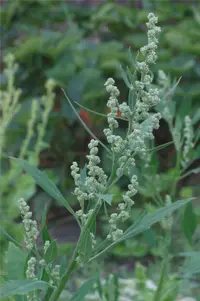
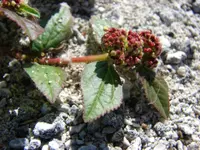
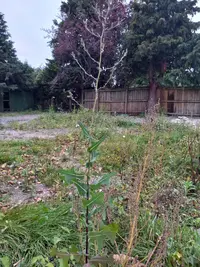
Timely bud removal
Pinch off flower buds as soon as they appear to keep leaves tender and delay bolting, especially in warm weather.

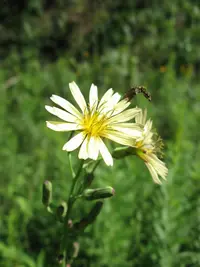
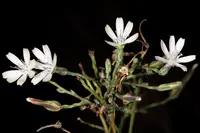
Indian lettuce, Lactuca indica, is a fast-growing leafy plant in the daisy family, often grown as an edible green or medicinal herb. It usually forms tall, upright stems with elongated, often lobed leaves and small pale flowers that appear later in the season.
This species is native to parts of Asia and naturalized in some warmer regions, where it grows in open fields, roadsides, and disturbed ground. It is generally easy to grow if given moderately fertile, moist but well-drained soil and reasonable light, which helps simplify how to care for Indian lettuce.

Care Difficulty
Moderate Care

Light Preference
Full Sun

Water Requirements
Regular Water

Temperature Preference
Warm Climate

Hardiness Zone
7–11

Soil Texture
Loamy, Silty, Organic-rich

Soil pH
Acidic (5.5–6.5), Slightly acidic (6.5–7.0)

Soil Drainage
Moist but well-drained

Fertilization
Light (every 4–6 weeks)
Scan your plant to receive care tips personalized for your specific plant
Available on iOS and Android
This leafy species grows best with bright, mild sun and protection from intense heat.
This plant prefers evenly moist soil without long dry spells or standing water.
This leafy vegetable grows best in mild, cool to warm conditions without temperature extremes.
This species grows reliably in typical outdoor humidity but benefits from moderately moist air in hot, dry regions.
Lactuca indica prefers loose, moist, well-drained soil that supports rapid leafy growth without waterlogging.
This species adapts well to container growing when root space and drainage are carefully managed.
Lactuca indica benefits from light, consistent feeding during its active warm-season growth.
Lactuca indica responds well to light, planned pruning that maintains healthy, leafy growth.
This species is more often transplanted in the ground than maintained long term in containers.
Lactuca indica is commonly propagated from seed, with cuttings used less often.
In mild climates, Lactuca indica may survive light frosts but generally dislikes prolonged freezing.

Plant Health Check
Not sure what's wrong with your plant? Check your plant's health inside the app.
Lactuca indica is a wild lettuce species native to East and Southeast Asia, where it grows in open fields, forest margins, roadsides, and disturbed habitats from lowlands to foothills.
Its leaves contain bitter-tasting sesquiterpene lactones, a group of defensive compounds also found in other lettuce relatives, which help deter many herbivores but are tolerated in traditional cooked dishes.
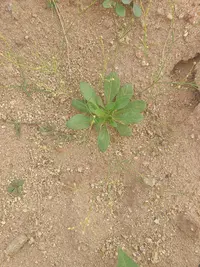
This species can grow from a basal rosette into a tall, upright plant often exceeding 1.5–2 m in one growing season, forming loose, branched inflorescences with numerous small yellow flower heads.

In several East Asian cuisines, young shoots and leaves of Lactuca indica are traditionally harvested from the wild or from simple field plantings as a seasonal vegetable, typically blanched or stir-fried to reduce bitterness and make use of this locally abundant wild resource.
Yes, the young leaves and shoots are edible and often cooked or used in stir-fries. Older leaves become bitter and tough. Always harvest from clean, chemical-free plants and avoid roadside or contaminated sites.
Keep your plants happy and healthy with plant identification, disease detection, and easy care guidance.