Dense-flowered smartweed Care (Persicaria glabra)

Also known as: dense flower smartweed
Dense-flowered smartweed

About Dense-flowered smartweed

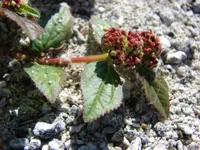
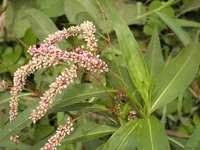
Dense-flowered smartweed, Persicaria glabra, is a moisture-loving herbaceous plant commonly found along riverbanks, ponds, and wet ditches. It often forms dense stands in low-lying, damp ground. The plant typically has upright, branching stems, smooth lance-shaped leaves, and tight clusters of small pink to reddish flowers that give it a soft, clouded look from a distance. It is usually a fast grower where water is available and can spread strongly in suitable conditions. In gardens, it suits naturalistic or wetland-style plantings rather than dry borders. It prefers consistently moist soil, good light, and minimal disturbance, which guides how to care for Dense-flowered smartweed in cultivation.

Main Plant Requirements

Care Difficulty

Moderate Care

Light Preference

Full Sun

Water Requirements

Keep Soil Moist

Temperature Preference

Warm Climate

Hardiness Zone

8–11

Soil Texture

Loamy, Silty, Organic-rich

Soil pH

Acidic (5.5–6.5), Slightly acidic (6.5–7.0)

Soil Drainage

Waterlogged tolerant

Fertilization

Minimal (feed rarely)

Get Personalized Care Plan

Scan your plant to receive care tips personalized for your specific plant

Available on iOS and Android

How to Care for the Dense-flowered smartweed

This wetland perennial prefers consistent light but is adaptable across a range of outdoor exposures.

  • Provide 4–6 hours of direct sun daily, ideally gentle morning sun with light afternoon shade, especially in hotter regions.
  • Tolerates bright, dappled shade, but flowering in Dense-flowered smartweed may decline if it receives less than 3–4 hours of sun.
  • In hot summers, protect from harsh afternoon sun to reduce leaf scorch; in cooler climates, choose a more open, sunny site to maximize growth.

This species thrives in moist to wet soils and does poorly if the root zone dries out deeply.

  • Aim for consistently damp soil; the top 1–2 cm should feel moist, not cracked or dusty, before and after watering.
  • In garden beds near ponds or streams, natural moisture may be enough, but in drier spots increase watering during hot, windy periods when leaves begin to droop.
  • Reduce watering frequency in cool seasons while keeping the soil from drying out; yellowing, limp stems in Persicaria glabra can signal prolonged waterlogging.

This plant favors mild to warm conditions typical of temperate to subtropical climates.

  • Strong growth occurs around 65–80°F (18–27°C), especially when soil moisture is stable and roots remain cool.
  • Tolerates short dips to about 25–30°F (-4– -1°C), but repeated hard frosts can damage stems and may kill top growth.
  • Handles summer heat up to about 90–95°F (32–35°C) if soil stays moist; in exposed sites, mulch the root zone to buffer temperature swings.

This species prefers moderately moist air but tolerates a fairly wide humidity range.

  • Aim for 40–60% humidity to support steady growth and reduce leaf-edge browning.
  • Plants tolerate short spells of drier air, but prolonged <30% humidity can cause curled, crispy leaf margins.
  • If air is very dry, group pots, place them near a tray of water and pebbles, or run a small humidifier nearby.

Persicaria glabra thrives in consistently moist, fertile, fine-textured substrates.

  • Use a loamy, organic-rich mix that holds moisture yet stays airy, such as 2 parts compost, 1 part loam, 1 part coarse sand.
  • Ensure slow but reliable drainage; soil should stay damp but never waterlogged for long periods.
  • A slightly acidic to neutral pH around 6.0–7.0 suits this species and supports nutrient uptake.
  • Improve aeration and prevent compaction by incorporating coarse sand or fine grit, avoiding heavy clay and peat-only mixes.

This species can adapt well to container growing when moisture and stability are carefully managed.

  • Choose a wide, relatively deep container to accommodate spreading roots and reduce rapid drying of the substrate.
  • Use a heavier pot material, such as ceramic, to stabilize vigorous, top-heavy growth in windy outdoor spots.
  • Elevate the pot on feet or bricks so drainage holes stay clear and water flows away quickly after heavy watering or rain.

Persicaria glabra benefits from light feeding but usually thrives without heavy fertilization, especially in reasonably fertile soil.

  • Use a balanced liquid fertilizer (e.g., 10-10-10) at 1/2 strength every 4–6 weeks during the main growing season.
  • Apply a thin layer of compost around the root zone in spring to support flowering in Dense-flowered smartweed.
  • Avoid fertilizing in late fall and winter, as growth slows and excess nutrients can cause weak, soft shoots.
  • Rinse foliage if fertilizer splashes on leaves to reduce burn risk, and never apply to dry, stressed plants.

Pruning helps keep Persicaria glabra dense, tidy, and flowering well in garden settings.

  • Cut back spent flower spikes and leggy stems in late summer to encourage a neater mound and some rebloom.
  • Remove dead, damaged, or crossing stems at ground level using clean, sharp hand pruners.
  • In late winter or very early spring, shear old top growth to 5–10 cm to stimulate fresh shoots.
  • Thin congested clumps by removing a few older stems, improving air flow and reducing disease risk.

This species is more often transplanted in the ground than grown long term in containers, but it tolerates moving if done carefully.

  • Transplant in early spring or early fall when temperatures are mild and soil moisture is steady.
  • Look for signs such as roots circling the pot, water running off quickly, or stunted growth to decide on repotting.
  • Shift container plants into a pot 2–5 cm wider, using moisture-retentive, well-drained soil and handling the root ball gently.
  • Water thoroughly after transplanting, then keep soil evenly moist and shade the plant lightly for 3–7 days to limit stress.

Persicaria glabra is commonly propagated to expand patches or share plants in moist garden areas.

  • Divide established clumps in early spring or early fall, replanting sections with several shoots and a firm root mass.
  • Take 8–10 cm softwood stem cuttings in late spring, root in a moist, sterile mix, and keep humidity high but air moving.
  • Sow fresh seed in autumn outdoors or use cold stratification, then provide consistent moisture and light for germination.
  • Label propagated plants and space new clumps adequately to prevent overly aggressive spreading.

In many mild to moderately cold climates, Persicaria glabra is reasonably hardy and needs only simple winter care.

  • In regions with frost, allow top growth to die back naturally, then cut stems close to ground in late winter.
  • Apply a 5–8 cm mulch layer over the root zone after soil cools to buffer freeze–thaw cycles.
  • For container plants in cold areas, move pots to a sheltered, frost-free but cool location and keep soil lightly moist.

Care Tips

Use Shallow Basins

Plant in wide, shallow beds or basins that can briefly hold surface water, which matches its natural wetland habit and reduces stress during short dry spells.

Seasonal Cutback Management

Shear stems to 5–10 cm above ground at the end of the growing season to control spread, reduce self-seeding, and promote dense, healthy regrowth in spring.

Rhizome Containment

Install an in-ground root barrier 20–25 cm deep around beds in landscapes where spread is a concern, as this limits rhizome creep without stressing the plant.

Streambank Stabilization Use

On pond edges or slow streambanks, plant in staggered rows along the waterline to help stabilize soil while allowing easy access for periodic thinning.

Targeted Patch Renewal

Every 2–3 years, lift and divide congested clumps, replant only the youngest vigorous sections, and discard weak or woody rhizomes to keep stands manageable when growing Dense-flowered smartweed.

Common Pests and Diseases

Leaf spot

This disease causes small, water-soaked lesions on leaves that turn brown with darker margins, especially in warm, wet conditions along water edges or in saturated soil. Symptoms include premature yellowing and drop of older leaves in dense stands.

Solution

Remove and discard heavily spotted leaves to reduce inoculum, and avoid overhead irrigation or splashing when possible. Thin crowded patches of Persicaria glabra to improve air movement, and if disease pressure is high in ornamental or nursery settings, apply a copper-based or chlorothalonil fungicide labeled for foliar leaf spots on ornamentals following label directions.

Powdery mildew

This disease appears as white to gray powdery growth on upper leaf surfaces, often developing in late summer on plants growing in partial shade with humid air. Symptoms include distorted young leaves and reduced vigor in heavily affected stands.

Solution

Improve air circulation by reducing overcrowding and cutting back surrounding vegetation, and remove the most affected leaves to reduce spore sources. In persistent cases, treat foliage with a sulfur or potassium bicarbonate product labeled for powdery mildew, applying during cool parts of the day and avoiding use in very hot conditions to prevent leaf burn.

Aphids

These insects cluster on young shoots and undersides of leaves, sucking sap and causing curling, distortion, and sticky honeydew that can attract sooty mold. This pest is often more noticeable on nutrient-rich, moist plants growing along ditches, ponds, or irrigated beds.

Solution

Dislodge colonies with a strong stream of water and prune back heavily infested shoot tips. Encourage natural predators such as lady beetles, or, if numbers stay high, use an insecticidal soap or horticultural oil thoroughly on leaf undersides, repeating treatments as new growth appears while following label instructions for aquatic or riparian sites.

Leaf beetles

These insects chew irregular holes or windows between leaf veins, sometimes skeletonizing foliage on dense patches in sunny, moist habitats. This pest can reduce photosynthesis and aesthetic value, though healthy plants usually regrow quickly.

Solution

Handpick adult beetles and larvae from accessible plants and drop them into soapy water, focusing on early-season populations. For higher pressure in ornamental or nursery settings, use a spinosad or pyrethrin-based product labeled for leaf-feeding beetles, applying in the evening to reduce impacts on pollinators and repeating only as needed.

Rust

This disease forms small, orange-brown pustules on leaf undersides with corresponding yellow spots on upper surfaces, especially in late summer on dense stands with frequent surface moisture. Symptoms include gradual thinning of foliage and reduced plant vigor over time.

Solution

Remove and destroy infected leaves at first appearance and avoid prolonged leaf wetness by reducing overhead watering near ornamental plantings. In nursery or high-value settings, a preventive or early-season application of a rust-labeled fungicide, rotated between active ingredients, can help protect new growth as part of broader Persicaria glabra plant care.

Interesting Facts

Amphibious growth strategy

This species often grows in shallow water or on muddy banks, forming adventitious roots along submerged or wet stems, which allows it to tolerate fluctuating water levels in rivers and rice fields.

Preference for disturbed wetlands

It commonly colonizes disturbed wet habitats such as irrigation channels, paddy margins, and ditches, where it can form dense stands that help stabilize fine, erodible sediments.

Insect-pollinated flower spikes

The dense, pinkish flower spikes produce small nectar rewards that attract a variety of insects, especially bees and flies, which act as primary pollinators in its native Asian range.

FAQs about Dense-flowered smartweed

This species spreads readily by seed and creeping rhizomes, especially in moist or disturbed ground. In suitable conditions it can form large colonies, so edging, regular cutting back, or physical barriers help keep it within bounds.

Grow Healthy Plants with Botan Care

Keep your plants happy and healthy with plant identification, disease detection, and easy care guidance.

Botan plant care app — identify plants on mobile

Explore More Plants