Asthma plant Care (Euphorbia hirta)

Also known as: Ara tanan, garden spurge, hairy spurge, Pillpod Sandmat, Asthma Weed, Pill-Bearing Spurge, Pillpod Spurge, Queensland Asthma-Weed, Red Euphorbia
Asthma plant

About Asthma plant

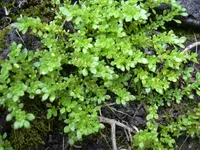
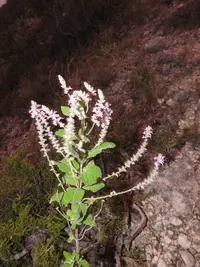
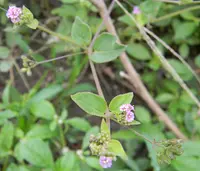
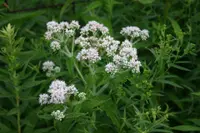
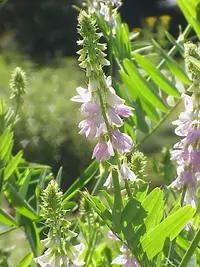
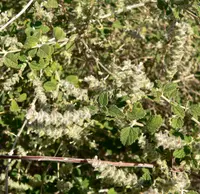
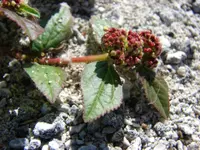
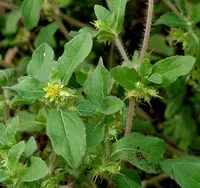
Asthma plant, Euphorbia hirta, is a small, short-lived herb that often grows as a low, spreading mat. It has tiny, oval leaves and produces clusters of very small, pale flowers.

This species is native to tropical and subtropical regions and is commonly found in lawns, roadsides, and disturbed soils. It is sometimes grown intentionally in herbal gardens, though it can behave as a weed.

Euphorbia hirta is generally easy to grow, as it tolerates heat, poor soils, and occasional neglect. It prefers bright light, moderately moist but well-drained soil, and benefits from basic guidance on how to care for Asthma plant.

Main Plant Requirements

Care Difficulty

Easy Care

Light Preference

Full Sun

Water Requirements

Low Water

Temperature Preference

Tropical / Frost Sensitive

Hardiness Zone

9–11

Soil Texture

Sandy, Loamy, Rocky

Soil pH

Acidic (5.5–6.5), Slightly acidic (6.5–7.0)

Soil Drainage

Well-drained

Fertilization

Minimal (feed rarely)

Get Personalized Care Plan

Scan your plant to receive care tips personalized for your specific plant

Available on iOS and Android

How to Care for the Asthma plant

Euphorbia hirta prefers bright conditions with several hours of direct sun but can adapt to light shade.

  • Provide 4–6 hours of direct morning sun, with light or filtered sun in early afternoon to reduce leaf scorch in hot climates.
  • Allow partial shade (especially afternoon shade) in regions with strong sun; Asthma plant often does best with dappled light during peak heat.
  • In shorter winter days, favor the sunniest spot available; in summer, monitor for pale, scorched, or reddening leaves as signs of excessive exposure.

Euphorbia hirta prefers slightly dry conditions and is sensitive to prolonged wet soil.

  • Water when the top 2–4 cm of soil feel dry, using enough water to moisten the root zone but not leave puddles on the surface.
  • Ensure very free-draining soil; persistent wetness, yellowing, or soft stems indicate overwatering, while drooping, thin leaves suggest underwatering.
  • Reduce watering during cool seasons or cloudy spells, and wait longer between waterings after heavy rain or in compacted ground.

This warm-season species grows best in stable, frost-free conditions.

  • Aim for 70–86°F (21–30°C) for active growth; growth slows noticeably below about 65°F (18°C).
  • Protect from cold; brief exposure down to 50°F (10°C) may be tolerated, but damage is likely near 40°F (4°C) and the plant is usually killed by frost.
  • In hot regions, plants can handle 90–95°F (32–35°C) if soil moisture is not extreme and they receive some shade during peak midday heat.

Humidity is rarely critical for Euphorbia hirta if watering is managed correctly.

  • Target 30–50% humidity, similar to most indoor and outdoor household conditions.
  • This Asthma plant tolerates dry air well if soil is not kept overly dry at the same time.
  • Watch for limp, shriveling stems and rapid leaf drop combined with heat as signs of low-humidity and drought stress.
  • Increase local humidity slightly with a nearby tray of water and stones rather than misting the foliage.

Euphorbia hirta prefers lean, sharply draining soil that does not stay wet after watering.

  • Use a sandy or gritty mix, such as 50–60% potting mix blended with coarse sand or fine gravel for fast drainage.
  • Aim for slightly acidic to neutral pH, roughly 6.0–7.0, avoiding strongly acidic or alkaline substrates.
  • Improve aeration by adding perlite or pumice so roots get oxygen and excess water can move out quickly.
  • Avoid heavy clay, peat-heavy mixes that stay soggy, or any soil that compacts and forms a crust after watering.

This species is suitable for container growing, especially in warm, bright outdoor spots.

  • Choose a wide, shallow pot to accommodate its spreading habit and prevent the root zone from staying wet deep down.
  • Select unglazed terracotta if extra evaporation is needed in rainy or humid climates to avoid root problems.
  • Elevate the pot on feet or blocks so drainage holes stay clear and water does not pool under the container.

Euphorbia hirta grows best in lean, well-drained soil and usually needs only light feeding when grown as a garden or container plant.

  • Use a balanced, diluted liquid fertilizer (for example 10-10-10 at 1/4–1/2 strength) for caring for Asthma plant in pots or poor soils.
  • Feed every 4–6 weeks during the warm growing season if growth appears weak or foliage pale.
  • Avoid fertilizing in winter or during dormancy, when growth slows or stops.
  • Compost or a mild slow-release fertilizer can be mixed into soil at planting for long, steady nutrition.

Pruning Euphorbia hirta is mainly done to keep plants tidy and to remove weak or unhealthy growth.

  • Cut back dead, diseased, or storm-damaged stems whenever noticed, using clean, sharp scissors or snips.
  • Lightly trim crowded or sprawling stems in late spring or early summer to maintain a compact, bushy habit.
  • Remove spent flowered stems to encourage fresh growth and to reduce unwanted self-seeding in garden beds.
  • Wear gloves and avoid skin contact with the sap, as euphorbia latex can irritate skin and eyes.

Euphorbia hirta is often grown in the ground, but container plants or crowded garden clumps benefit from occasional transplanting.

  • Transplant in spring or early summer when soil is warm and plants recover quickly from root disturbance.
  • Look for roots circling the pot, water running straight through, or slowed growth as signs a container plant is cramped.
  • Move to a pot 2–5 cm wider, using well-drained, gritty soil; avoid burying stems deeper than before.
  • Water lightly after transplanting, keep in bright but not harsh sun for a few days, and avoid heavy feeding until growth resumes.

Euphorbia hirta is most commonly propagated by seed, which allows rapid spread in warm conditions.

  • Collect seed from mature, dried capsules and sow in spring or early summer when temperatures are consistently warm.
  • Use a shallow tray with well-drained, sandy mix; press seeds lightly into the surface and keep just moist, not wet.
  • Provide bright light and 70–80°F conditions to support germination and sturdy seedling growth.
  • Thin crowded seedlings gently, handling by the leaves, and transplant when roots hold the soil but are not yet rootbound.

Euphorbia hirta is a tender, warm-season species and usually does not survive hard frost outdoors in cold climates.

  • In regions below about 30°F, grow as an annual or allow plants to reseed rather than trying to overwinter outdoors.
  • For container plants, move indoors before frost into a bright, cool room and reduce watering so soil stays barely moist.
  • Mulch lightly around outdoor plants in mild-winter areas to buffer brief chills, but expect foliage to decline in cold spells.

Care Tips

Latex-safe handling

Always wear disposable gloves and avoid touching your eyes when cutting or replanting, as the milky latex sap can irritate skin and mucous membranes.

Self-seeding management

If you want to limit spread, remove flower heads as soon as they fade and lightly cultivate the top 1–2 cm of soil a few times per season to disturb any new seedlings.

Compact growth control

Pinch back soft shoot tips every 3–4 weeks during active growth to keep plants low, dense, and better able to withstand wind or handling.

Targeted weed barrier

Use a 2–3 cm topdressing of coarse sand or fine gravel around the plant base outdoors to suppress competing weeds while keeping the stem collar dry and well aerated.

Ground-level pest checks

Inspect the undersides of leaves and the soil surface every 1–2 weeks for ants, aphids, or mealybugs, and use a cotton swab dipped in isopropyl alcohol to remove small infestations before they spread when caring for Asthma plant.

Common Pests and Diseases

Powdery mildew

This disease often appears in warm, humid conditions on dense stands of the plant. Symptoms include white, powdery patches on leaves and young stems, sometimes leading to yellowing and early leaf drop.

Solution

Remove and discard heavily infected leaves to reduce spore load, then thin or prune plants to improve airflow and reduce humidity around foliage. If needed, apply a sulfur or potassium bicarbonate fungicide labeled for powdery mildew, making sure to cover both upper and lower leaf surfaces and avoid spraying during high heat to prevent leaf burn.

Cercospora leaf spot

This disease causes small circular to irregular brown spots that may have a darker edge and paler center on the leaves. Symptoms include gradual leaf yellowing and premature dropping, especially on lower, older foliage.

Solution

Remove and discard affected leaves and any fallen plant debris to limit the source of new infections. Improve spacing and airflow, avoid wetting the foliage when watering, and if the problem persists, use a copper-based fungicide according to label directions, rotating products if used repeatedly to slow resistance development.

Aphids

These insects cluster on tender shoot tips and undersides of leaves, sucking sap and causing curling, distortion, and sticky honeydew deposits. This pest can encourage sooty mold growth on the honeydew and may transmit plant viruses in outdoor plantings.

Solution

Dislodge colonies with a firm stream of water from a hose, then follow with applications of insecticidal soap or neem oil, making sure to target underside of leaves and new growth. Repeat treatments every 5–7 days until populations drop, and monitor regularly so small infestations are managed early as part of Euphorbia hirta plant care.

Spider mites

These pests thrive in hot, dry conditions and are hard to see without magnification. Symptoms include fine webbing, tiny pale speckles on leaves, and an overall dull, bronzed appearance that can lead to leaf drop.

Solution

Increase humidity around plants if grown in containers, and rinse foliage thoroughly with lukewarm water, focusing on leaf undersides. For persistent infestations, apply a horticultural oil or miticide labeled for spider mites, repeating at intervals to catch newly hatched mites while avoiding treatments during full sun or high temperatures.

Nematode damage

These microscopic roundworms attack roots in the ground, especially in sandy or light soils. Symptoms include stunted growth, reduced vigor, and poor response to water and fertilizer, sometimes accompanied by root galls or abnormal swelling.

Solution

Remove and dispose of severely affected plants and avoid replanting in the same spot with susceptible species for several seasons. In garden settings, use organic mulches and incorporate well-rotted compost to improve soil structure, rotate with non-host cover crops where possible, and consider raised beds or containers with clean, nematode-free potting mix for future plantings.

Interesting Facts

Latex defense system

This species produces a white, milky latex that deters many herbivores and can irritate human skin and eyes due to bioactive diterpenes and other defensive compounds.

Nitrogen-fixing partner

Euphorbia hirta often associates with nitrogen-fixing soil bacteria in its rhizosphere, which helps it colonize poor, disturbed soils where other small herbs struggle to establish.

Weedy habitat specialist

It is a classic ruderal species, thriving in compacted ground, roadsides, and crop fields, and can complete its life cycle quickly in open, sunny, disturbed sites.
Botan icon

Did you know?

Genetic and anatomical studies show that its tiny flowers are organized in a specialized inflorescence called a cyathium, which mimics a single flower but actually contains multiple reduced male and female flowers inside a cup-like structure.

FAQs about Asthma plant

This species self-seeds readily and can form patches in open, disturbed soil. It is usually easy to pull out by hand. Regular weeding before seeds set helps prevent unwanted spread in beds or pathways.

Grow Healthy Plants with Botan Care

Keep your plants happy and healthy with plant identification, disease detection, and easy care guidance.

Botan plant care app — identify plants on mobile

Explore More Plants