Encourage Dense Habit
Tip back new shoots by 3–5 in in late spring to early summer to encourage a bushier form and more flowering wood instead of tall, open growth.

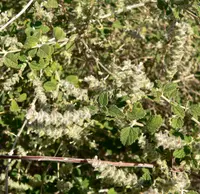
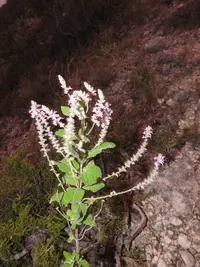
Wright's beebrush, Aloysia wrightii, is a small, deciduous shrub native to the desert Southwest of the United States and northern Mexico. It naturally occurs in dry washes, rocky slopes, and open scrub.
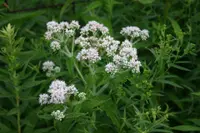
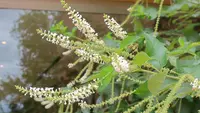
The plant forms an upright, twiggy shape with small, fragrant leaves and delicate white flower spikes that attract bees and other pollinators. Its fine texture and airy growth make it suitable for naturalistic and water-wise landscapes.
This species is adapted to heat, drought, and poor, well-drained soils, which makes it relatively low-maintenance once established. Understanding how to care for Wright's beebrush mainly involves providing strong light, minimal summer irrigation, and avoiding waterlogged conditions.

Care Difficulty
Easy Care

Light Preference
Full Sun

Water Requirements
Low Water

Temperature Preference
Warm Climate

Hardiness Zone
7–10

Soil Texture
Sandy, Loamy, Rocky

Soil pH
Slightly acidic (6.5–7.0), Neutral (7.0)

Soil Drainage
Well-drained

Fertilization
Minimal (feed rarely)
Scan your plant to receive care tips personalized for your specific plant
Available on iOS and Android
This sun-loving desert shrub performs best with strong, direct light in open sites.
This species is drought-adapted and prefers infrequent, deep watering once established.
This shrub is adapted to hot, arid climates and prefers warm to hot conditions with mild winters.
This desert shrub prefers fairly dry air and does not need elevated humidity.
This species thrives in lean, fast-draining soil that mimics desert or chaparral conditions.
This shrub can be grown in containers if given a stable, fast-draining setup.
This drought-adapted shrub needs only light feeding in most garden soils.
Pruning helps Aloysia wrightii stay compact, bushy, and floriferous.
This shrub is most often grown in the ground, with transplanting more relevant than repotting.
Gardeners usually propagate this species from semi-woody cuttings or seed.
Established plants are fairly cold hardy but young or container-grown specimens benefit from some winter care.

Plant Health Check
Not sure what's wrong with your plant? Check your plant's health inside the app.
This species is native to arid regions of the southwestern United States and northern Mexico, where it is adapted to rocky, well-drained slopes and washes rather than moist lowlands.
Its small, white, fragrant flowers appear mainly in late summer and autumn and provide an important nectar source for native bees, butterflies, and other pollinators during relatively dry periods.
The leaves release a noticeable scent when crushed due to essential oils rich in terpenoids, a group of volatile compounds that can help deter some herbivores and may reduce fungal growth on leaf surfaces.

This shrub is commonly associated with desert grassland and desert scrub communities, where its dense branching and small leaves contribute to microhabitats that offer shelter for insects and small vertebrates, increasing local biodiversity in otherwise exposed landscapes.
This shrub is highly attractive to native bees, honeybees, small wasps, and many butterflies. Its fragrant, nectar-rich flower spikes provide a valuable late-season food source, especially in dry landscapes and pollinator-friendly gardens.
Keep your plants happy and healthy with plant identification, disease detection, and easy care guidance.