Chinese lobelia Care (Lobelia chinensis)

Chinese lobelia

About Chinese lobelia

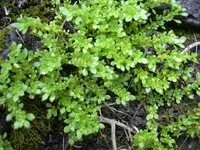
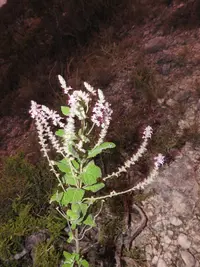
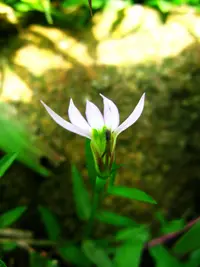
Chinese lobelia (Lobelia chinensis) is a low-growing, creeping perennial herb often used as a groundcover in warm, humid regions. Its thin, narrow leaves and small, pale pink to white flowers give it a delicate, fine-textured appearance.

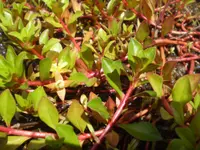
This species is native to East Asia, where it typically grows in moist meadows, ditches, and wet open fields. It tends to spread by stems that root at the nodes, forming loose mats.

For gardeners who want to care for Chinese lobelia, its key traits include a preference for consistently moist soil, good light, and frost-free conditions. When these needs are met, it is generally straightforward to maintain.

Main Plant Requirements

Care Difficulty

Moderate Care

Light Preference

Partial Sun

Water Requirements

Keep Soil Moist

Temperature Preference

Warm Climate

Hardiness Zone

7–10

Soil Texture

Loamy, Silty, Organic-rich

Soil pH

Acidic (5.5–6.5), Slightly acidic (6.5–7.0)

Soil Drainage

Waterlogged tolerant

Fertilization

Minimal (feed rarely)

Get Personalized Care Plan

Scan your plant to receive care tips personalized for your specific plant

Available on iOS and Android

How to Care for the Chinese lobelia

This moisture-loving herb prefers bright, gentle light rather than intense, all-day sun.

  • Provide 4–6 hours of sun daily, ideally morning sun with light afternoon shade, especially in hot climates where midday sun can scorch leaves.
  • Grow Chinese lobelia in a spot with dappled or filtered light near taller plants or structures that cast partial shade during the hottest hours.
  • Watch foliage color and growth: pale, leggy stems suggest insufficient light, while crisped edges or purple-brown patches indicate excessive direct sun exposure.

This species prefers consistently moist soil and is less tolerant of drying out than many garden perennials.

  • Aim to keep soil evenly moist, not waterlogged, allowing only the top 1–2 cm to start drying before watering again in active growth.
  • In heavy or compacted soil, improve drainage with organic matter or sand so water drains within 1–2 hours while still retaining moisture.
  • Wilting or dull, floppy leaves and dry surface soil indicate underwatering, while yellowing lower leaves, mushy stems, or a sour odor suggest overwatering.

This plant grows best in mild, frost-free conditions with moderate summer temperatures.

  • Optimal growth occurs around 65–80°F (18–27°C), where steady warmth supports active shoot and root development.
  • It tolerates brief dips to about 40°F (4°C) but is damaged by frost; prolonged exposure near freezing can kill stems and roots.
  • In hot summers above 86°F (30°C), provide more shade and soil moisture; in cooler seasons, growth slows and some dieback may occur, but roots can resprout if not frozen.

This species prefers moist air but adapts to typical home humidity if soil moisture is kept steady.

  • Aim for 50–70% humidity, especially in heated homes, to reduce leaf-edge browning and tip dieback.
  • Tolerates drier air if the root zone never fully dries; increase monitoring during winter heating or strong air conditioning.
  • Humidity stress shows as curling, crisping, or yellowing leaves; group Chinese lobelia with other plants or use a pebble tray to raise humidity.

Lobelia chinensis grows best in consistently moist, slightly acidic to neutral soil with fine texture and high organic matter.

  • Use a loamy mix of roughly 50% peat or coco coir, 30–40% compost, and 10–20% perlite or sand for structure and aeration.
  • Target pH 5.5–7.0; add a small amount of garden sulfur for alkaline soils or lime if soil is very acidic.
  • Keep the mix evenly moist yet never waterlogged by combining organic matter, which holds water, with coarse particles that create drainage channels.
  • Avoid heavy clay that compacts, bone-dry sandy soil, or mixes with added wetting crystals that keep roots saturated for long periods.

This species is suitable for container growing in outdoor or patio settings where consistent moisture is manageable.

  • Choose a wide, shallow pot to match its creeping root system and allow surface runners to spread without crowding.
  • Select a heavier material such as ceramic or clay outdoors to stabilize the low, spreading growth against wind and accidental knocks.
  • Ensure drainage holes are unobstructed and elevate the pot on feet so excess water clears quickly and does not reabsorb into the root zone.

This moisture-loving herb benefits from light, steady feeding rather than heavy fertilizer doses.

  • Use a balanced, water-soluble fertilizer around 10-10-10 at 1/4–1/2 strength during active growth in spring–summer.
  • Apply every 4–6 weeks for Lobelia chinensis grown in containers; in rich garden soil, reduce frequency.
  • Incorporate a thin layer of compost around outdoor plants once in spring to support soil life.
  • Stop or greatly reduce feeding in fall and winter, especially for indoor or semi-dormant plants.

Thoughtful pruning keeps Lobelia chinensis low, tidy, and encourages fresh growth.

  • Use clean, sharp scissors or hand pruners to cut back spent flowering stems in late spring–summer.
  • Remove dead, damaged, or overcrowded shoots at the base to open the mat and improve air flow.
  • Lightly trim long, sprawling runners to maintain shape and prevent it from overgrowing nearby plants.
  • After pruning, water well and avoid high-nitrogen fertilizer to limit weak, overly soft regrowth.

This creeping species is usually grown as a groundcover but can be divided and moved with care.

  • Transplant or divide in early spring or early fall, avoiding extreme heat or hard frost periods.
  • Look for slow growth, crowded mats, or roots circling a container as signals to lift and replant.
  • Every 2–3 years, lift clumps, gently tease roots apart, and replant into fresh, moist, well-drained soil.
  • Water thoroughly after transplanting, shade for a few days if sun is strong, and keep soil evenly moist to reduce root stress.

New plants are most often produced by division and short stem cuttings.

  • Divide established clumps in early spring or early fall, replanting vigorous sections into moist soil.
  • Take soft, 5–8 cm tip cuttings from non-flowering shoots of Lobelia chinensis in late spring–summer.
  • Insert cuttings into a loose, moist mix, keep humidity high, and maintain 68–75°F for reliable rooting.
  • Seeds can be sown on the surface of fine, moist mix under bright, indirect light; do not cover very small seeds.

This species has moderate cold tolerance but benefits from simple winter protection in cooler climates.

  • In regions with frost, apply a 3–5 cm layer of leaf mold or compost mulch around the root zone.
  • Allow top growth to die back naturally, then trim away soft, blackened stems to reduce rot risk.
  • Container plants in zones colder than its hardiness range should be moved to a cool, frost-free, bright spot.

Care Tips

Edge Containment

Grow this species in a buried plastic or terracotta root barrier ring 20–30 cm wide to stop rhizomes from creeping into nearby beds or lawn.

Regular Division

Lift and divide crowded clumps every 2–3 years in early spring, replanting only the healthiest outer sections to maintain strong growth and reduce disease pressure.

Low-Mow Management

In groundcover plantings, trim or mow the patch lightly to 3–5 cm high once flowering finishes to keep growth dense and to remove old, disease-prone foliage.

Moisture Zoning

Site the plant in a slightly lower, moisture-retentive part of the bed or near the edge of a water feature so natural runoff keeps the root zone consistently damp without waterlogging.

Slug And Snail Patrol

In damp sites favored when growing Chinese lobelia, place beer traps or iron phosphate slug pellets around the planting zone and remove hiding spots like boards or dense debris to protect new shoots.

Common Pests and Diseases

Aphids

These insects cluster on tender stems and undersides of leaves, sucking sap and causing curling, yellowing, and stunted growth. This pest also excretes sticky honeydew that can lead to sooty mold on dense mats of stems and foliage.

Solution

Rinse colonies off stems and leaves with a firm stream of water, then spot-treat remaining insects with insecticidal soap or a neem oil spray, repeating every 5–7 days until controlled. Encourage natural predators such as lady beetles in outdoor plantings, and avoid excess nitrogen fertilizer that promotes soft, aphid-prone growth when growing Chinese lobelia in rich beds or containers.

Spider mites

These pests are tiny and often unnoticed at first, but symptoms include fine webbing, pale stippling on leaves, and general loss of vigor, especially in hot, dry conditions. This pest can quickly weaken the spreading mats of foliage if not managed early.

Solution

Increase humidity around the plant and regularly hose down foliage, focusing on leaf undersides to physically remove mites. For heavier infestations, apply insecticidal soap or a labeled miticide, repeating at intervals and pruning out heavily damaged shoots to reduce population hotspots.

Leaf spot

This disease causes small water-soaked spots that enlarge into brown or black lesions on leaves and sometimes stems, leading to premature leaf drop in dense, moist plantings. Symptoms include faster spread during warm, wet weather or overhead irrigation.

Solution

Remove and discard affected leaves and thin crowded patches to improve airflow and faster drying of foliage. Water at soil level, avoid evening overhead watering, and if the problem persists, use a copper-based or other labeled fungicide, following label directions and treating new growth preventively during wet periods.

Powdery mildew

This disease appears as a white to gray powdery coating on leaves and stems, which can cause distortion, reduced flowering, and decline in overall plant vigor. Symptoms include more severe coverage in shaded, poorly ventilated spots or when foliage stays damp but air is stagnant.

Solution

Improve light and air movement by thinning stems and avoiding overcrowding, and water early in the day to keep foliage drier. Remove the worst-affected shoots and apply a sulfur-based or other labeled powdery mildew fungicide if needed, coating both upper and lower leaf surfaces.

Snails and slugs

These pests feed on tender leaves and young shoots, leaving irregular holes and ragged edges, especially on low, creeping mats after rainy or damp nights. Symptoms include shiny slime trails across soil and foliage around the planting area.

Solution

Hand-pick snails and slugs in the evening or early morning and reduce hiding places such as dense debris, boards, or heavy mulch near the plants. Use iron phosphate bait or set simple traps like shallow dishes of beer at soil level to reduce populations, reapplying after heavy rain in moist planting sites where Lobelia chinensis plant care often involves consistent soil moisture.

Interesting Facts

Semi‑aquatic growth habit

This species naturally grows in shallow water margins, rice paddies, and wet ditches across East Asia, forming creeping mats with stems that root at the nodes when they touch saturated soil or mud.

Pale pink star flowers

It produces small, pale pink to whitish tubular flowers with 5 lobes that often appear slightly irregular, a feature characteristic of the bellflower family Campanulaceae.

Creeping medicinal herb

In traditional East Asian systems, this plant has been recorded for centuries as a medicinal herb, and modern phytochemical studies have identified diverse alkaloids and flavonoids in its tissues, prompting ongoing pharmacological research.

Botan icon

Did you know?

Genetic and morphological studies suggest that this low, creeping herb is closely related to some showier ornamental Lobelia species, yet it has adapted to a very different ecological niche, favoring flooded fields and muddy banks instead of well-drained garden soils.

FAQs about Chinese lobelia

This species spreads by slender, creeping stems and can form low mats over time. It is not usually invasive in gardens but can edge into nearby bare soil if conditions are consistently moist and favorable.

Grow Healthy Plants with Botan Care

Keep your plants happy and healthy with plant identification, disease detection, and easy care guidance.

Botan plant care app — identify plants on mobile

Explore More Plants