Rhizome Containment
Plant in a wide container or use an underground root barrier in beds to confine the spreading rhizomes and make future division and maintenance easier.

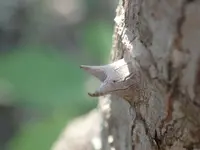
Spiny lasia (Lasia spinosa) is a semi-aquatic aroid that forms clumps of tall, arching stems with large, deeply divided leaves. The stems and leaf stalks are covered in sharp spines, which give the plant its common name and require cautious handling.
In the wild, it grows in wet, marshy areas and along slow-moving water in tropical Asia. It prefers consistently moist conditions, rich organic soil, and warm, humid air.
The plant can be challenging for beginners because of its need for high moisture and warmth, but rewarding if those needs are met. Learning how to care for Spiny Lasia starts with recreating its boggy, sheltered habitat and avoiding physical injury from the spines.

Care Difficulty
Hard Care

Light Preference
Partial Shade

Water Requirements
Aquatic

Temperature Preference
Tropical / Frost Sensitive

Hardiness Zone
10–12

Soil Texture
Loamy, Silty, Organic-rich

Soil pH
Acidic (5.5–6.5), Slightly acidic (6.5–7.0)

Soil Drainage
Waterlogged tolerant

Fertilization
Light (every 4–6 weeks)
Scan your plant to receive care tips personalized for your specific plant
Available on iOS and Android
This wetland aroid prefers bright, gentle light rather than intense, direct sun.
This species prefers consistently moist to wet conditions, similar to a shallow pond margin.
This tropical wetland plant thrives in warm, frost-free conditions year-round.
This aroid prefers warm, humid air to keep foliage healthy and growth steady.
Lasia spinosa prefers consistently moist, organic-rich soil that still allows some air at the roots.
This semi-aquatic species can be grown in wide, heavy containers if moisture control is managed carefully.
Lasia spinosa benefits from light, consistent feeding during its warm, active growth period.
Pruning Lasia spinosa is mainly done to maintain plant health and safe access around its spiny stems.
Lasia spinosa is usually grown in the ground, so focus on careful transplanting rather than frequent repotting.
Propagation of Lasia spinosa is possible but somewhat specialized, mainly done by division or seed in suitable climates.
Lasia spinosa is a tropical to subtropical species that needs protection from frost in most US climates.

Plant Health Check
Not sure what's wrong with your plant? Check your plant's health inside the app.
This aroid develops stout petioles and leaf midribs lined with sharp, backward-curved spines that deter herbivores and make handling difficult without protection.
It grows from thick rhizomes anchored in mud of swamps, rice paddies, and slow-moving waterways, allowing the plant to tolerate periodic flooding and low-oxygen substrates.
In several parts of South and Southeast Asia, young shoots and petioles are eaten only after thorough cooking, because raw tissues contain needle-like calcium oxalate crystals that can strongly irritate the mouth and throat.

In some traditional agroecosystems of South and Southeast Asia, Lasia spinosa is maintained along paddy margins and wet ditches as a semi-wild vegetable, forming long-lived clumps that are repeatedly harvested for young shoots over many years without replanting.
This aroid spreads by creeping rhizomes in wet, muddy ground and can form dense clumps over time. In small gardens or wetlands, control spread by installing root barriers and lifting or dividing offsets before they overcrowd other plants.
Keep your plants happy and healthy with plant identification, disease detection, and easy care guidance.