silver birch Care (Betula pendula)

Also known as: Common Birch, weeping birch, European weeping birch, European white birch
silver birch

About silver birch

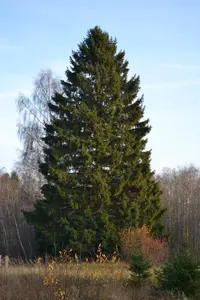
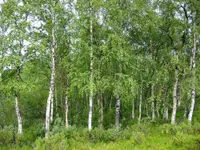
Silver birch, Betula pendula, is a deciduous tree known for its white peeling bark and fine, airy canopy. It typically forms a slender crown with slightly drooping branches.

This species is native to much of Europe and parts of Asia and is often planted in temperate gardens and parks. It grows relatively fast but may be short-lived compared with many larger trees.

Shallow roots, moderate drought tolerance, and a preference for cool climates make it easier to establish in suitable regions but less suited to hot, dry sites. Those who want to care for silver birch should note its need for light, well-drained soil and consistent moisture, especially when young.

Main Plant Requirements

Care Difficulty

Moderate Care

Light Preference

Full Sun

Water Requirements

Moderate Water

Temperature Preference

Cold Hardy

Hardiness Zone

2–7

Soil Texture

Sandy, Loamy, Silty

Soil pH

Acidic (5.5–6.5), Slightly acidic (6.5–7.0)

Soil Drainage

Moist but well-drained

Fertilization

Minimal (feed rarely)

Get Personalized Care Plan

Scan your plant to receive care tips personalized for your specific plant

Available on iOS and Android

How to Care for the silver birch

Betula pendula grows best in open sites with plenty of direct light.

  • Aim for 6–8 hours of direct sun daily; in hot summer climates, prioritize morning sun with some protection from intense late-afternoon rays.
  • Tolerates light partial shade, but dense shade causes sparse foliage, weaker growth, and fewer catkins on silver birch.
  • Avoid planting where buildings or taller trees will heavily shade it in future years, as long-term low light increases susceptibility to pests and disease.

Betula pendula prefers evenly moist, cool soil and is sensitive to prolonged drought.

  • In the first 2–3 years, water when the top 5–8 cm of soil feels dry, applying a slow, deep soak rather than light splashes.
  • Mature trees need extra watering during hot, dry periods; watch for limp, curling, or yellowing leaves as early drought signals.
  • Ensure soil drains freely; persistent sogginess, sour smell, or algae on the surface suggests overwatering and raises root rot risk.

This species is a cold-hardy tree adapted to cool and temperate climates.

  • Best active growth occurs around 55–75°F (13–24°C), typical of mild spring and early summer conditions.
  • Fully hardy to about -30°F (-34°C) once established, but young trees benefit from wind protection in severe cold snaps.
  • Tolerates short periods around 85–90°F (29–32°C) if soil stays moist and mulched, yet prolonged heat and drought cause leaf scorch and early leaf drop.

Humidity is rarely a limiting factor for Betula pendula outdoors in temperate climates.

Betula pendula prefers cool, moist, well-structured mineral soils that drain freely but do not dry out quickly.

  • Use a loamy or sandy loam with moderate organic matter to support deep rooting and steady moisture.
  • Aim for slightly acidic to neutral pH around 5.5–7.0, avoiding strongly alkaline or saline substrates that limit nutrient uptake.
  • In heavy clay, incorporate coarse sand and fine gravel to improve drainage and aeration while preventing waterlogging around roots.
  • Avoid compacted, anaerobic ground and standing water; raised beds or shallow mounding help excess water drain away from the trunk base.

This species is only moderately suitable for long-term container growing due to its eventual size and vigorous roots.

  • Select a deep, heavy container to provide root depth and resist tipping from wind acting on the flexible crown.
  • Choose thick-walled, non-glazed clay or concrete pots to moderate temperature swings and reduce rapid substrate drying.
  • Use a fast-draining, mineral-rich mix so roots receive ample oxygen, and elevate the pot on feet to keep drainage holes fully open.

Betula pendula benefits from light feeding but often manages well on reasonably fertile soil.

  • Use a balanced, slow-release granular fertilizer (around 10-10-10) or a thin layer of compost in early spring.
  • Apply once per year during the growing season for young or container-grown silver birch; mature trees in the ground often need no extra feeding.
  • Reduce or stop fertilization in late summer to avoid soft growth before winter dormancy.
  • If using liquid feed on container plants, dilute to 1/2 strength and apply to moist soil to limit root burn.

Pruning Betula pendula is mainly done to maintain structure and remove problem wood.

  • Schedule pruning for mid- to late-summer to reduce sap bleeding and stress on the tree.
  • Remove dead, diseased, crossing, or storm-damaged branches using clean, sharp bypass pruners or a pruning saw.
  • Thin congested interior branches lightly to improve light penetration and airflow without over-opening the crown.
  • Limit cuts to small branches where possible, maintaining the tree’s natural graceful form.

Betula pendula is usually grown in the ground, so focus on careful transplanting rather than frequent repotting.

  • Transplant young trees in late fall or early spring when dormant and soil is workable.
  • Look for signs such as circling roots in containers, slow growth, or repeated drying out as cues to move to a larger site or pot.
  • Dig a wide planting hole, keep the root ball intact, and replant at the same depth to reduce transplant shock.
  • Water deeply after planting, apply a 5–8 cm mulch ring, and keep soil evenly moist while new roots establish.

Propagation of Betula pendula for home gardeners is possible mainly from seed but is somewhat specialized.

  • Collect ripe seed in late summer to early fall and sow fresh or store cool and dry until late winter.
  • Provide a cold stratification period of about 6–8 weeks at 34–41°F to break seed dormancy.
  • Sow on the surface of a sterile, well-drained mix under bright light, keeping the medium just moist, not wet.
  • Softwood cuttings are difficult to root and usually require mist systems and rooting hormones, so they are best left to professional nurseries.

Betula pendula is cold hardy in much of the US and normally needs minimal winter care once established.

  • Young trees benefit from a 5–8 cm mulch layer over the root zone, kept away from the trunk to prevent rot.
  • In very exposed sites, use a breathable trunk wrap on first- and second-year trees to reduce sunscald and frost cracks.
  • Container-grown plants are more vulnerable; move pots into a sheltered, unheated area where roots stay cold but do not freeze solid.

Care Tips

Establish clear leader

In the first 3–5 years, prune lightly to keep a single dominant central stem and remove competing uprights in late summer, which helps the tree develop a stronger structure and reduces storm breakage later.

Protect sensitive roots

Avoid trenching, paving, or heavy foot traffic within the drip line, and keep any soil fill to less than 5 cm there, as compacted or buried surface roots greatly reduce vigor and can shorten the tree’s lifespan.

Use light mulch ring

Maintain a 5–8 cm deep ring of coarse organic mulch under the canopy, pulled 5–8 cm back from the trunk, to keep roots cool and moist while also making mowing damage and strimmer injury around the base less likely.

Monitor for borers

Inspect trunks and major branches once or twice a year for small exit holes, frass, or dieback in upper branches, and if suspected, consult a certified arborist early since timely treatment offers the best outcome for Betula pendula plant care.

Plan for group planting

If space allows, plant 3 trees in a loose triangle with 2–3 m between trunks to create a stable grove that shades its own root zone, improves wind resistance, and gives a more natural look when growing silver birch.

Common Pests and Diseases

Bronze birch borer

This pest is a beetle larva that tunnels under the bark, disrupting water flow and causing dieback in the upper canopy. Symptoms include sparse foliage, yellowing leaves, and D-shaped exit holes in the trunk or branches.

Solution

Reduce plant stress by ensuring consistent watering during dry periods and avoiding trunk injury, since healthy trees are more resistant. Prune and destroy infested branches showing dieback, improve site conditions, and where infestations are common, consider professional application of systemic insecticides timed to adult beetle flight.

Birch leafminer

This pest is a small sawfly larva that feeds between the upper and lower surfaces of leaves, creating pale, blotchy mines that can make foliage look scorched. Heavy infestations cause premature leaf drop and weaken the tree over time.

Solution

Rake and dispose of fallen leaves to reduce overwintering larvae, and encourage natural predators by avoiding broad-spectrum insecticides. For repeated severe damage, use targeted systemic or contact insecticides at budbreak or just after leaf expansion, following local extension recommendations for timing and product choice.

Aphids

These insects cluster on young shoots and leaf undersides, sucking sap and causing distorted new growth and sticky honeydew that can lead to sooty mold. Infestations are often most noticeable on tender spring foliage.

Solution

Spray colonies off with a strong stream of water and prune heavily infested soft tips if practical. If needed, apply insecticidal soap or horticultural oil to leaf undersides, and support beneficial insects like lady beetles by avoiding unnecessary chemical sprays as part of general Betula pendula care.

Birch anthracnose

This disease is a fungal leaf spot and blight that causes irregular brown patches along veins, leaf distortion, and early leaf drop, especially after cool, wet springs. Symptoms include scattered dead patches on leaves and sometimes small twig dieback on lower branches.

Solution

Collect and discard fallen leaves to reduce fungal spores, and thin nearby vegetation to improve air circulation around the canopy. In sites with a history of severe infection, consider resistant birch selections for new plantings and use preventive fungicide sprays in early spring only if advised by a local arborist or extension service.

Armillaria root and butt rot

This disease is a soil-borne fungus attacking stressed or poorly sited trees, causing crown thinning, reduced growth, and eventual dieback. Symptoms include white fungal sheets under the bark near the base and clusters of honey-colored mushrooms at the trunk base in fall.

Solution

Improve growing conditions by avoiding waterlogged soil, mechanical root damage, and severe drought stress, since there is no reliable chemical cure. Remove severely affected trees including as much root material as possible, avoid replanting birch in the same spot, and choose well-drained sites to reduce future risk when you grow Betula pendula.

Interesting Facts

Distinctive peeling bark

The mature bark of Betula pendula develops dark diamond-shaped fissures while the outer white bark peels in thin papery strips, a trait used reliably to distinguish it from other birch species in Europe and western Asia.

Pioneer on poor soils

This species is a classic pioneer tree that can colonize nutrient-poor, disturbed, or post-industrial sites thanks to its wind-dispersed seeds, rapid juvenile growth, and tolerance of acidic, sandy, or rocky substrates.

High pollen producer

Male catkins of Betula pendula release large quantities of lightweight pollen in early spring, which travel long distances by wind and are a major source of seasonal tree pollen in many European cities.

Botan icon

Did you know?

Genetic and pollen records show that Betula pendula was among the first tree species to recolonize large parts of northern Europe after the last glacial maximum, helping to create early post-glacial woodland mosaics long before many later-successional tree species arrived.

FAQs about silver birch

This species is generally fast-growing, typically adding around 30–60 cm of height per year in good conditions. Growth is quicker in youth, then slows as the tree matures and puts more energy into trunk and canopy development.

Grow Healthy Plants with Botan Care

Keep your plants happy and healthy with plant identification, disease detection, and easy care guidance.


Botan plant care app — identify plants on mobile

Explore More Plants