Rio Grande beebrush Care (Aloysia macrostachya)

Also known as: Sweet Stem
Rio Grande beebrush

About Rio Grande beebrush

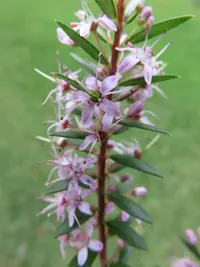
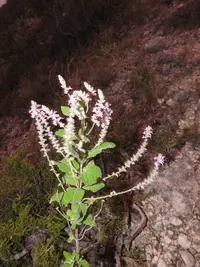
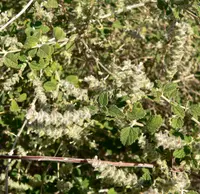
Rio Grande beebrush (Aloysia macrostachya) is a fragrant, deciduous shrub known for its fine, airy foliage and slender flower spikes that attract bees and butterflies. It typically forms a loose, upright mound and can be pruned to stay compact in garden settings.

This species is native to the Rio Grande region of the southern United States and northern Mexico, where it grows in sunny, open habitats with well-drained soils. It is generally drought-tolerant once established and suits low-input landscapes, which makes it relatively simple to care for Rio Grande beebrush in warm, dry climates.

The plant prefers full sun, moderate watering, and soil that does not stay waterlogged, which helps keep it healthy and long-lived.

Main Plant Requirements

Care Difficulty

Easy Care

Light Preference

Full Sun

Water Requirements

Low Water

Temperature Preference

Warm Climate

Hardiness Zone

7–10

Soil Texture

Sandy, Loamy, Rocky

Soil pH

Slightly acidic (6.5–7.0), Slightly alkaline (7.0–7.5)

Soil Drainage

Well-drained

Fertilization

Minimal (feed rarely)

Get Personalized Care Plan

Scan your plant to receive care tips personalized for your specific plant

Available on iOS and Android

How to Care for the Rio Grande beebrush

Aloysia macrostachya thrives in strong sun typical of open, warm climates.

  • Provide 6–8 hours of direct sun daily; morning sun and light afternoon shade help prevent leaf scorch in very hot regions.
  • Plant where it receives full sun but can tolerate bright partial shade, especially in the hottest part of the day, which supports flowering of Rio Grande beebrush.
  • In summer, avoid reflected heat from walls or pavement; in cooler seasons, choose the sunniest spot available to maintain dense growth.

Aloysia macrostachya prefers moderately dry conditions with deep but infrequent watering.

  • Allow the top 3–5 cm of soil to dry before watering; use porous, fast-draining soil to prevent standing water around the roots.
  • During active growth in spring and summer, water thoroughly when foliage begins to lose slight turgor, then let the soil dry again between waterings.
  • In fall and winter, reduce frequency once growth slows; watch for yellowing, soft leaves as a sign of overwatering and crisp, shedding leaves as a sign of drought stress.

This species is adapted to warm climates and handles heat better than cold.

  • Optimal growth occurs around 70–90°F (21–32°C), where shoots extend steadily and flowering is most reliable.
  • Mature plants often tolerate brief drops to about 15–20°F (-9 to -6°C), but young plants are more vulnerable and benefit from protection during hard freezes.
  • In regions with hot summers above 95°F (35°C), provide some afternoon shade and mulch the root zone to moderate soil temperature and reduce stress.

This shrub tolerates fairly dry air but benefits from modest humidity support in containers.

  • Aim for 30–50% humidity; it handles drier air but grows more vigorously within this range.
  • Watch for crisp leaf edges and slowed new growth as signs of prolonged low humidity stress in Rio Grande beebrush.
  • Group pots together or place near a pebble tray with water to raise local humidity without over-wetting foliage.

Aloysia macrostachya prefers lean, well-aerated mineral soils that drain quickly.

  • Use a sandy or loamy mix with 30–50% coarse material such as sharp sand, perlite, or fine gravel for strong drainage.
  • Keep pH slightly acidic to neutral, around 6.0–7.2, avoiding strongly acidic or alkaline conditions that limit nutrient uptake.
  • Incorporate only a modest amount of compost (10–20%) to avoid overly rich, moisture-holding substrates that promote root rot.
  • Improve aeration by avoiding peat-heavy mixes and breaking up any compaction before planting so roots can spread easily.

This species adapts well to container growing when the pot is chosen to match its woody, spreading root system.

  • Select a deep, heavy pot to counterbalance woody top growth and reduce tipping in strong winds.
  • Choose a mineral-based mix and an unglazed clay pot to allow faster evaporation in rainy or humid climates.
  • Elevate the container on pot feet so drainage holes stay clear and excess water escapes rapidly after storms or heavy watering.

This drought-tolerant shrub needs only light, targeted feeding to support steady growth and flowering when grown in lean soils.

  • Use a balanced, slow-release granular fertilizer (around 10-10-10) once in early spring for in-ground Rio Grande beebrush in poor soil.
  • For container plants, apply a half-strength balanced liquid fertilizer every 4–6 weeks during the active growing season.
  • Incorporate a thin layer of compost around the root zone annually to improve soil structure and gentle nutrient supply.
  • Stop feeding in late summer to early fall so new growth hardens before winter, and avoid fertilizing during winter dormancy.

Thoughtful pruning keeps Aloysia macrostachya compact, bushy, and floriferous in garden settings.

  • Carry out main pruning in late winter to very early spring before strong new growth begins.
  • Remove dead, damaged, or crossing stems first, then thin crowded interior branches to improve light and air flow.
  • Shorten long shoots by up to one-third to encourage dense branching and more flowering wood.
  • Use clean, sharp bypass pruners and make cuts just above outward-facing buds to guide the plant’s shape.

This shrub is more often grown in the ground than in pots, so transplant timing and root handling matter more than frequent repotting.

  • Transplant in early spring or early fall, when temperatures are mild and the plant is not under strong heat stress.
  • Look for signs such as roots circling the container, water running off quickly, or slowed growth before moving to a larger pot or garden bed.
  • Shift to a container only 1–2 in wider or a well-drained garden spot, planting at the same depth as before and firming soil gently.
  • Water thoroughly after transplanting, then keep soil evenly moist (not waterlogged) for 2–3 weeks to reduce root stress and support re-establishment.

Gardeners commonly increase Aloysia macrostachya by stem cuttings and, less often, by seed.

  • Take 8–12 cm semi-ripe cuttings in late spring to midsummer from healthy, non-flowering shoots.
  • Strip lower leaves, dip the cut base in rooting hormone, and insert into a free-draining mix of perlite and coarse sand or light potting soil.
  • Maintain bright, indirect light, 70–80°F warmth, and high humidity using a clear cover with ventilation until roots form.
  • Sow fresh seed in spring in a gritty seed mix, keep lightly moist, and provide warm, bright conditions for steady germination.

This shrub is moderately cold hardy but benefits from simple winter preparations in regions with freezes.

  • In USDA zones roughly 7–8, top growth may die back in hard freezes, but established roots often resprout in spring.
  • Apply a 5–8 cm mulch layer around the root zone in late fall, keeping it slightly away from the stems to reduce rot risk.
  • In colder zones or exposed sites, grow Aloysia macrostachya in containers and move them to a bright, frost-free space for winter.
  • Water sparingly in winter, allowing the top soil to dry between waterings while preventing the root ball from completely drying out.

Care Tips

Establish wind protection

Site plants where taller shrubs, fences, or windbreak cloth reduce strong, drying winds, which helps stems stay upright and reduces moisture stress in exposed gardens.

Renewal pruning cycle

Every 2–3 years, remove a few of the oldest woody stems right at the base in late winter to keep growth vigorous, improve flowering, and maintain a manageable shrub size.

Encourage dense branching

Pinch or lightly tip-prune soft new shoots in late spring to promote side branching and create a fuller, bushier plant with more flowering points.

Mulch for root resilience

Apply a 5–8 cm layer of coarse organic mulch around but not touching the stems to buffer soil temperature, reduce evaporation, and protect the relatively shallow root system during hot, dry spells.

Plan for pollinators

When growing Rio Grande beebrush, group several plants together in a sunny area to create a stronger nectar resource that attracts and supports more pollinators, which also improves seed set.

Common Pests and Diseases

Whiteflies

These insects commonly gather on the undersides of young leaves and around flower spikes, sucking plant sap and weakening growth. Symptoms include yellowing foliage, sticky honeydew, and clouds of tiny white insects flying up when the plant is disturbed.

Solution

Control light infestations by rinsing foliage with a firm stream of water and pruning heavily infested shoots. For ongoing problems, use yellow sticky traps and apply insecticidal soap or neem oil thoroughly to leaf undersides every 7–10 days until populations decline, while also reducing excess nitrogen fertilization that encourages soft, attractive growth.

Spider mites

This pest thrives on Aloysia macrostachya in hot, dry conditions, feeding on leaf cells and causing pale stippling and a dull, dusty look. Symptoms include fine webbing between leaves and stems, progressive leaf bronzing, and premature leaf drop.

Solution

Increase humidity around the plant and wash foliage repeatedly, focusing on leaf undersides to dislodge mites and webbing. If populations remain, apply insecticidal soap or a horticultural oil labeled for mites every 5–7 days for several cycles, and avoid water stress, which makes the plant more susceptible.

Leaf spot

This disease causes small brown to dark purplish spots on leaves that may enlarge and merge under warm, humid conditions. Symptoms include premature yellowing and shedding of affected foliage, especially in crowded or poorly ventilated plantings.

Solution

Remove and discard spotted leaves and any fallen debris to reduce the source of infection, and improve air circulation by thinning dense stems. Avoid overhead watering, irrigate at the base in the morning, and if the problem persists, use a copper-based or other broad-spectrum fungicide according to label directions during wet or humid periods.

Powdery mildew

This disease appears as a white, powdery coating on leaves and young stems, which can distort new growth and reduce flowering. Symptoms include dull, grayish foliage and reduced vigor, especially when nights are cool and days are warm and dry.

Solution

Increase sun exposure and airflow where possible, and remove heavily infected shoots to reduce inoculum. Water at soil level, avoid evening leaf wetting, and treat new outbreaks with a labeled horticultural oil, potassium bicarbonate, or sulfur product at the first sign of white patches as part of general Aloysia macrostachya care.

Interesting Facts

Strong honey plant

This shrub is an important nectar source for native bees and other pollinators in dry habitats of Texas and northern Mexico, flowering over a long season when other resources can be scarce.

Drought-adapted shrub

It is naturally adapted to arid and semi-arid conditions, tolerating high heat and low rainfall once established, which reflects its origin in thornscrub and desert edge ecosystems.

Aromatic foliage chemistry

The leaves release a noticeable fragrance when crushed due to essential oils, a trait shared with related lemon verbena species in the Verbenaceae family, and likely serving as a herbivore deterrent.

FAQs about Rio Grande beebrush

This shrub is highly attractive to bees, butterflies, and other pollinating insects, especially when in full bloom. The nectar-rich flower spikes provide a reliable food source, making it useful in wildlife gardens and pollinator-friendly landscapes.

Grow Healthy Plants with Botan Care

Keep your plants happy and healthy with plant identification, disease detection, and easy care guidance.

Botan plant care app — identify plants on mobile

Explore More Plants