zedoary Care (Curcuma zedoaria)

Also known as: White Tumeric
zedoary

About zedoary

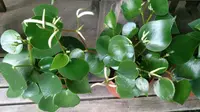
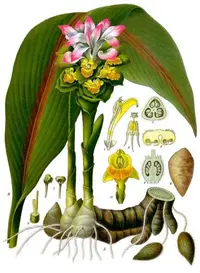
Zedoary, Curcuma zedoaria, is a rhizomatous perennial from the ginger family, valued for its aromatic underground stems and lush tropical foliage. It forms clumps of broad green leaves that rise from the soil in a vase-like shape, sometimes accompanied by showy cone-shaped flower spikes.

This species is native to South and Southeast Asia, where it grows in warm, humid climates with seasonal rainfall. In cultivation it prefers bright, filtered light, consistently moist but not waterlogged soil, and a loose, organic-rich potting mix.

Dormancy in the cooler season and a need for steady warmth are the main traits that influence how to care for zedoary and may challenge beginners in cooler homes.

Main Plant Requirements

Care Difficulty

Moderate Care

Light Preference

Partial Shade

Water Requirements

Keep Soil Moist

Temperature Preference

Tropical / Frost Sensitive

Hardiness Zone

9–11

Soil Texture

Loamy, Sandy, Organic-rich

Soil pH

Acidic (5.5–6.5), Slightly acidic (6.5–7.0)

Soil Drainage

Moist but well-drained

Fertilization

Light (every 4–6 weeks)

Get Personalized Care Plan

Scan your plant to receive care tips personalized for your specific plant

Available on iOS and Android

How to Care for the zedoary

This rhizomatous plant prefers bright, gentle light similar to open woodland edges.

  • Provide 3–5 hours of soft morning sun with bright, filtered light the rest of the day; avoid harsh midday and late-afternoon sun in hot summers.
  • Tolerates light to medium partial shade, but stems may stretch and flowering may drop if grown in under 3 hours of bright light.
  • In late fall the foliage naturally dies back; reduce concern about light until shoots re-emerge in spring, then return the pot or clump to brighter exposure.

Curcuma zedoaria prefers evenly moist but never waterlogged soil during active growth.

  • From spring to early fall, water when the top 3–5 cm of soil feel dry, aiming for consistently damp soil around the roots but no standing water.
  • Use rich, well-drained soil; symptoms of overwatering include yellowing lower leaves and soft rhizomes, while crisp edges and drooping leaves often signal underwatering.
  • As foliage yellows and dies back in fall, gradually reduce watering until the soil is just barely moist; keep rhizomes almost dry but not bone-dry through dormancy.

This tropical species thrives in warm, frost-free conditions with a distinct dormant period in cooler months.

  • Ideal growing temperatures are 70–85°F (21–29°C); growth slows below about 65°F (18°C) and stops near 60°F (16°C).
  • Protect from cold; sustained exposure below 50°F (10°C) can damage foliage, and hard frost at 32°F (0°C) or below may kill unprotected rhizomes.
  • In hot regions, Curcuma zedoaria tolerates brief spikes to 90–95°F (32–35°C) if soil moisture is maintained and the plant receives light shade during peak afternoon heat.

This rhizomatous ginger prefers moderately high, stable humidity for strong foliage.

  • Aim for 50–70% humidity; it tolerates brief dips but prolonged air below 40% leads to leaf edge browning.
  • Crisp tips, curling leaves, and slow unfurling indicate humidity stress rather than underwatering.
  • Use a pebble tray, group plants, or run a small humidifier near zedoary instead of misting heavily.

This species grows best in loose, moist, organic-rich soil that drains freely yet holds even moisture.

  • Use a loamy mix made from roughly 2 parts peat-free compost, 1 part fine bark, and 1 part perlite or coarse sand for structure and drainage.
  • Ensure the soil feels springy rather than compact; add extra perlite or bark if water sits on the surface for more than a few seconds.
  • Maintain a slightly acidic to neutral pH around 6.0–7.0, avoiding calcareous mixes heavy in lime that can lock up nutrients.
  • For Curcuma zedoaria in containers, avoid heavy garden clay and always mix in coarse material through the full root zone, not only on top.

This species is well suited to container growing when the pot supports its fleshy rhizomes and tall foliage.

  • Choose a wide, moderately deep pot so rhizomes can spread horizontally without crowding against rigid walls.
  • Select a heavier material such as ceramic or terracotta to counterbalance tall leafy stems and reduce tipping in wind.
  • Raise the container on feet or pot risers so drainage holes stay clear and excess water leaves the root zone quickly.

During active growth, Curcuma zedoaria responds well to moderate, balanced nutrition in free-draining, organic-rich soil.

  • Apply a balanced, water-soluble fertilizer (for example 10-10-10) at 1/2 strength every 3–4 weeks from spring through late summer.
  • Use a slow-release granular product or a light top-dressing of compost at the start of the growing season.
  • Always water before and after feeding to reduce root burn and to distribute nutrients evenly.
  • Stop fertilizing once foliage begins to yellow and the plant enters dormancy in fall and winter.

Pruning needs for Curcuma zedoaria are light and mainly focused on hygiene and seasonal cleanup.

  • In late fall or early winter, cut back spent, yellowing foliage to just above soil level as the plant goes dormant.
  • Remove dead, diseased, or damaged leaves promptly using clean, sharp scissors or hand pruners.
  • Thin out weak, crowded shoots at the base to improve air movement and reduce fungal issues.
  • Avoid heavy shaping cuts, since growth arises from rhizomes and pruning does not strongly control plant size.

This rhizomatous plant benefits from occasional division and repotting or careful transplanting to refresh soil and manage clump size.

  • Look for circling roots, crowded rhizomes, or reduced shoot vigor as signs it is time to repot or divide.
  • Plan repotting or garden transplanting in spring, just before or as new shoots emerge, about every 2–3 years.
  • Lift the clump gently, tease apart rhizomes with minimal breakage, and trim only mushy or rotten sections.
  • Replant rhizomes at the same depth in fresh, well-drained soil, then water thoroughly and keep shaded for 3–5 days to reduce stress.

New Curcuma zedoaria plants are most reliably produced by dividing healthy rhizomes rather than by seed.

  • Carry out division in spring when dormant rhizomes show emerging buds or eyes.
  • Lift the parent clump and cut rhizomes into sections, each with at least 1–2 viable buds and some roots attached.
  • Dust cut surfaces with a fungicidal powder or ground cinnamon, then let them dry for several hours before planting.
  • Plant divisions in warm, moist, well-drained substrate at 70–80°F, providing bright, indirect light to encourage strong new growth.

This species is frost sensitive above ground but its rhizomes can overwinter if kept insulated and dry enough in cool climates.

  • In USDA zones 8–10, allow foliage to die back naturally, then mulch the root zone with 5–8 cm of straw or leaves.
  • In colder areas, lift rhizomes after frost, dry them, and store in slightly moist peat or vermiculite at 50–59°F.
  • For containers, move pots indoors before temperatures drop below 45°F and reduce watering to keep soil just barely moist.

Care Tips

Rhizome division timing

Lift and divide rhizomes only after foliage has fully yellowed and died back, then replant firm, healthy pieces with at least 2–3 buds to maintain vigor and control clump size.

Marked dormancy zone

Mark the planting spot with a durable label before foliage dies back so you do not disturb dormant rhizomes when cultivating, mulching, or planting nearby plants.

Seasonal mulch management

Apply a loose 5–8 cm layer of leaf mold or fine bark mulch in late fall over the rhizome zone for winter insulation, then thin it in late spring so emerging shoots are not smothered.

Container rotation practice

If grown in pots, rotate the container 90° every 1–2 weeks during active growth so the foliage forms an even, upright clump and does not lean toward a single light source.

Targeted slug protection

In regions with slugs or snails, place low, shallow traps or barriers around new shoots in spring, since tender emerging growth is highly attractive and damage at this stage can slow overall growth when growing zedoary.

Common Pests and Diseases

Rhizome nematodes

This pest attacks underground rhizomes, causing stunted growth, yellowing foliage, and poor clump development. Symptoms include shriveled or corky rhizomes with reduced aroma and vigor.

Solution

Discard heavily infested plants and do not replant in the same soil. For future growing zedoary, start with clean, certified rhizomes, solarize or replace infested soil, and rotate with non-host crops to reduce nematode populations.

Shoot borer

This pest is caused by moth larvae that tunnel into young shoots and pseudostems, leading to wilting central leaves, distorted growth, and dead heart symptoms. This damage can sharply reduce rhizome yield and plant vigor.

Solution

Remove and destroy affected shoots as soon as boring damage is seen, and keep the planting area free of crop debris. In outdoor plantings, use light traps and pheromone traps to monitor adults and apply a targeted biological insecticide based on Bacillus thuringiensis (Bt) to young larvae if damage is recurring.

Leaf spot

This disease produces small brown to dark lesions on leaves that can enlarge, coalesce, and cause yellowing and premature leaf death under warm, humid conditions. Symptoms include reduced photosynthesis and an overall decline in plant strength.

Solution

Remove and destroy heavily spotted leaves, avoid overhead watering, and space plants for better airflow. If leaf spot persists, apply a copper-based or other labeled fungicide during humid periods and keep foliage as dry as possible.

Bacterial soft rot

This disease affects rhizomes and basal stems, causing water-soaked, foul-smelling, mushy tissue and sudden collapse of shoots. Symptoms include rapid plant decline, especially in poorly drained or waterlogged soil.

Solution

Immediately discard any soft, smelly rhizomes and affected plants, and improve drainage to prevent standing water. Use only firm, healthy planting rhizomes, disinfect cutting tools, and avoid injuring rhizomes during planting and harvest to limit entry points for bacteria.

Interesting Facts

Strong camphor aroma

The rhizome of this species has a distinct camphor-like fragrance that clearly differs from the warmer, spicy scent of culinary turmeric, which is one reason it is often used more as a flavoring and fragrance source than as a staple spice.

Natural habitat preference

This plant is naturally distributed in moist, semi-shaded forests of South and Southeast Asia, where it grows in humus-rich soils and experiences a pronounced monsoon-driven wet and dry seasonal cycle.

Traditional food uses

In parts of India and Southeast Asia, the young rhizomes are traditionally eaten fresh or pickled as a pungent condiment, especially in coastal and northeastern regions, although they are much less commonly used than turmeric or common ginger.

Botan icon

Did you know?

Molecular and morphological studies indicate that this species, along with a few closely related Curcuma taxa, is part of a distinct clade within the ginger family (Zingiberaceae), which helps botanists understand evolutionary relationships and refine the taxonomy of this complex genus.

FAQs about zedoary

Yellowing usually comes from natural dormancy, overwatering, or nutrient deficiency. If it is late in the season, foliage may die back naturally. Otherwise, check for soggy soil, improve drainage, and apply a balanced, slow-release fertilizer sparingly.

Grow Healthy Plants with Botan Care

Keep your plants happy and healthy with plant identification, disease detection, and easy care guidance.

Botan plant care app — identify plants on mobile

Explore More Plants