broadstemmed onion Care (Allium platycaule)

Also known as: flat-stem onion
broadstemmed onion

About broadstemmed onion

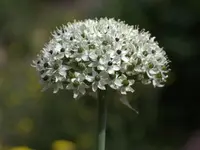
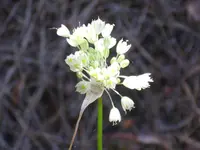
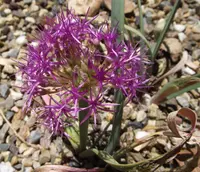
Broadstemmed onion, Allium platycaule, is a small bulb-forming perennial from the onion genus, valued for its compact size and showy spring flowers. It forms flat, broad, blue-green leaves and round clusters of pink to lilac star-shaped blooms held on short stems above the foliage.

This species is native to dry, open slopes and rocky areas of western North America, where it tolerates poor, sandy or gravelly soils. It is generally easy to grow if given good drainage and a dry rest after flowering, which is essential to care for broadstemmed onion.

In gardens and containers, it suits rock gardens, troughs, and sunny borders, preferring bright light, low to moderate moisture, and lean, well-drained soil.

Main Plant Requirements

Care Difficulty

Easy Care

Light Preference

Full Sun

Water Requirements

Low Water

Temperature Preference

Cold Hardy

Hardiness Zone

4–8

Soil Texture

Sandy, Loamy, Rocky

Soil pH

Slightly acidic (6.5–7.0), Neutral (7.0)

Soil Drainage

Well-drained

Fertilization

Minimal (feed rarely)

Get Personalized Care Plan

Scan your plant to receive care tips personalized for your specific plant

Available on iOS and Android

How to Care for the broadstemmed onion

Allium platycaule forms best flowering clumps in open, bright garden positions with plenty of sun.

  • Provide 6–8 hours of direct sun daily; full sun is ideal, especially in spring and early summer when foliage and flowers are active.
  • Tolerates light afternoon shade in hotter regions, but dense shade leads to weak, floppy leaves and sparse blooms in broadstemmed onion.
  • In very hot, dry climates, prioritize strong morning sun with light midday filtering to reduce leaf scorch, while still maintaining high overall light levels.

This bulb prefers dry to moderately dry conditions and is sensitive to waterlogged soil.

  • Allow the top 3–5 cm of soil to dry completely before watering, then soak the root zone once rather than giving small, frequent drinks.
  • During active growth and flowering, watch foliage: soft, yellowing, or collapsing leaves in damp soil suggest overwatering and possible bulb rot.
  • In late summer dormancy, reduce or stop irrigation in well-drained beds; wrinkling, limp leaves in dry soil during growth indicate underwatering and need for a deep soak.

This hardy bulb tolerates a wide temperature range but performs best with cool to mild growing seasons.

  • Optimal growth occurs around 55–75°F (13–24°C), particularly in spring, supporting strong foliage and reliable flowering.
  • Dormant bulbs typically survive down to about 0°F (-18°C) in well-drained soil; repeated freeze–thaw in soggy ground increases rot risk.
  • Plants handle dry summer heat up to about 90°F (32°C) if soil stays relatively dry; prolonged hotter periods may shorten the flowering window and speed dormancy.

Allium platycaule handles typical indoor humidity and focuses more on light and drainage than moisture in the air.

Allium platycaule prefers lean, sharply draining mineral soil that mimics rocky mountain slopes.

  • Use a sandy or gritty loam with at least 40–60% mineral material such as coarse sand, small gravel, or grit.
  • Aim for slightly acidic to neutral pH around 6.0–7.2 to support healthy root and bulb function.
  • Mix in a small amount of compost or leaf mold for structure, but avoid heavy organic-rich mixes that hold water.
  • Never use clayey or compacted soil; add perlite or grit to improve aeration and prevent bulb rot.

This species adapts well to container growing when drainage and bulb protection are prioritized.

  • Choose a wide, shallow pot so bulbs can spread laterally while staying near the surface, similar to their natural habit.
  • Use a gritty substrate over a drainage-layer base of coarse gravel to speed water exit from the root zone.
  • Place containers where rain cannot pool in saucers, such as on pot feet or mesh, to keep the lower bulbs dry.

Allium platycaule is a low-nutrient bulb that benefits from light feeding in lean soils.

  • Use a balanced, slow-release granular fertilizer (around 10-10-10) or a thin layer of compost in early spring as shoots emerge.
  • Apply once per growing season; in richer soils, skip feeding to avoid lush, weak foliage.
  • For liquid feeds, use a balanced NPK at 1/2 strength every 4–6 weeks during active growth only.
  • Stop feeding broadstemmed onion after flowering and do not fertilize during dormancy or winter.

Pruning needs for Allium platycaule are minimal and focus on cleanliness and bulb health.

  • In late summer or fall, remove fully yellowed or dry leaves at the base to reduce disease risk.
  • Snip off spent flower heads after blooming if seed is not desired, using clean, sharp scissors or hand pruners.
  • Leave green foliage intact until it naturally dies back, so bulbs can refill energy for the next season.
  • Avoid heavy cutting of healthy leaves, as this can reduce flowering and weaken the plant.

This species is usually grown in the ground; focus on dividing and transplanting crowded clumps rather than frequent repotting.

  • Watch for dense clumps, reduced flowering, or bulbs pushing to the soil surface as signs that division is needed.
  • Divide and transplant bulbs in late summer to early fall, after foliage has died back and the soil is workable.
  • Lift clumps gently, separate bulbs by hand, and replant at the same depth in sharply drained, gritty soil.
  • Water lightly after transplanting to settle soil, then keep slightly dry to limit rot and reduce root stress.

Multiplication of Allium platycaule is most reliable by bulb division, with seeds as a slower option.

  • Divide mature clumps in late summer or early fall when the plant is dormant and foliage has withered.
  • Gently separate offsets from the parent bulbs and replant them at similar depth in well-drained, sandy or gritty soil.
  • For seed, sow fresh seed in pots outdoors, allowing natural cold stratification over winter for better germination.
  • Keep soil just lightly moist, not wet, and provide bright light for seedlings to develop sturdy, compact growth.

This hardy bulb tolerates typical outdoor winters in many temperate regions and needs only modest attention.

  • In cold climates, a 2–5 cm layer of dry mulch over the planting area helps buffer freeze–thaw cycles.
  • Ensure soil is sharply drained; winter-wet conditions threaten bulb rot more than low temperatures.
  • For containers, move pots to a sheltered, unheated but frost-free or slightly protected spot to avoid waterlogging.

Care Tips

Mark Dormant Spots

After foliage dies back, place small labels or stones where bulbs sit so you do not disturb or cut through them when replanting or cultivating the bed during their long dormant period.

Use Grit Mulch

Top-dress the planting area with a thin layer of horticultural grit or small gravel to keep the necks of the bulbs dry, reduce rot risk, and visually highlight the flowers in rock or alpine beds.

Stagger Bulb Depth

Plant bulbs at slightly varied depths within the recommended range to create a more natural, layered look and to spread flowering over several days rather than all at once.

Controlled Clump Division

Every 3–5 years, lift and divide congested clumps in late summer dormancy, replanting only the firm, healthy bulbs to maintain flowering strength and prevent overcrowding when caring for broadstemmed onion.

Slope And Edge Placement

Site bulbs on a slight slope, raised berm, or near the edge of containers so excess water drains quickly away from the bulb plate, reducing the likelihood of basal rot in wet periods.

Common Pests and Diseases

onion thrips

These insects rasp the leaf surface and flower scapes, causing silvery streaks, fine speckling, and gradual leaf yellowing or collapse in stressed bulbs.

Solution

Reduce plant stress with full sun and well-drained soil, then inspect foliage and flower stalks closely; rinse plants with a firm stream of water and, if needed, apply an insecticidal soap or neem oil to both sides of leaves, repeating every 7–10 days until activity drops. Remove plant debris after flowering to reduce overwintering sites and avoid planting near heavy onion or leek crops that harbor large thrips populations.

allium leaf miner

This pest creates winding mines and small punctures in leaves and scapes, leading to distorted growth and weakened bulbs that may fail to store well.

Solution

Cover plants with fine insect mesh as soon as shoots appear in spring to block adult flies, and promptly remove and destroy any mined leaves or infested bulbs to break the life cycle. Avoid leaving old bulbs or foliage in the soil and rotate planting locations away from previously infested allium beds.

botrytis leaf blight

This disease causes water-soaked spots on leaves that quickly turn tan or gray with a soft, blighted appearance, especially in cool, damp conditions or crowded clumps.

Solution

Improve air circulation by thinning crowded bulbs and avoid overhead watering, keeping foliage dry whenever possible. At the first sign of leaf blight, remove and discard affected leaves and spent flower stalks, and in sites with repeated issues consider applying a labeled fungicide at the start of prolonged wet weather.

basal plate rot

This disease starts at the basal plate of the bulb, leading to yellowing, premature dieback of foliage, and soft, sunken tissue at the bulb base that may show white or pinkish fungal growth.

Solution

Plant bulbs only in sharply drained, low-humidity sites and avoid heavy, water-holding soils; discard any soft or discolored bulbs before planting. Dig and remove affected plants with surrounding soil, and do not replant alliums in that spot for several years to reduce pathogen carryover, focusing future Allium platycaule care on dry, open, well-aerated conditions.

Interesting Facts

Flat, ribbonlike leaves

This species produces unusually flat, ribbonlike leaves that spread out close to the ground, an adaptation that helps it resist cold, dry winds in its high-elevation habitats.

High-elevation specialist

It is native to open, rocky slopes in the Sierra Nevada and adjacent ranges of California and Nevada, where it commonly grows at higher elevations than many other North American wild onions.

Compact flower umbels

The plant forms dense, low, dome-shaped clusters of pink to rose-purple flowers on very short stems, creating a cushionlike floral display that stays close to the ground and conserves moisture.

Botan icon

Did you know?

This species is considered a good rock garden plant because its naturally compact, low-growing habit and drought tolerance adapt well to well-drained, rocky substrates in cultivation.

FAQs about broadstemmed onion

Lack of flowers usually comes from bulbs staying too crowded, insufficient cold in winter, or low light. Allow foliage to mature fully after bloom, divide congested clumps every few years, and avoid high-nitrogen fertilizer that favors leaves over flowers.

Grow Healthy Plants with Botan Care

Keep your plants happy and healthy with plant identification, disease detection, and easy care guidance.

Botan plant care app — identify plants on mobile

Explore More Plants