Pinch Early Growth
Pinch out the first flower buds on young plants to encourage denser foliage and more flowering stems later in the season.

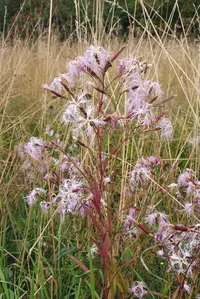
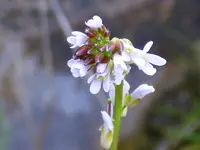
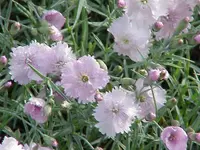
Fringed pink (Dianthus superbus) is a perennial flowering plant in the carnation family, valued for its finely cut, feathery petals and strong fragrance. Plants form low clumps of narrow, grassy leaves topped with airy flower stems.
In nature it occurs across parts of Europe and Asia, often in meadows, open woodlands, and light grassland. Flowers are usually pale pink to white and attract pollinators such as moths and bees.
This species is moderate in difficulty for beginners, mainly because it dislikes waterlogged soil and very heavy shade. Those who learn how to care for fringed pink generally find it reliable when given sun, drainage, and modest, even moisture.

Care Difficulty
Moderate Care

Light Preference
Full Sun

Water Requirements
Moderate Water

Temperature Preference
Cold Hardy

Hardiness Zone
3–9

Soil Texture
Sandy, Loamy, Rocky

Soil pH
Acidic (5.5–6.5), Slightly acidic (6.5–7.0)

Soil Drainage
Well-drained

Fertilization
Minimal (feed rarely)
Scan your plant to receive care tips personalized for your specific plant
Available on iOS and Android
Dianthus superbus performs best in bright conditions with some protection from intense heat.
Dianthus superbus prefers evenly moist but never soggy soil.
This species is a cool- to mild-climate perennial with good cold tolerance once established.
Humidity is rarely critical for Dianthus superbus, which prefers relatively dry air similar to typical indoor and outdoor conditions.
Dianthus superbus prefers lean, sharply draining soil that stays aerated and never waterlogged.
This species grows well in containers when drainage and root space are carefully managed.
Dianthus superbus benefits from modest feeding in lean or heavily used garden soils.
Pruning helps Dianthus superbus maintain a compact shape and extend its flowering period.
This species is more often transplanted in garden beds than kept long-term in containers.
Dianthus superbus is commonly propagated from seed, cuttings, or division under simple, controlled conditions.
Dianthus superbus is generally cold hardy in temperate climates and needs only modest winter attention outdoors.

Plant Health Check
Not sure what's wrong with your plant? Check your plant's health inside the app.
The flowers of this species release a strong, sweet, clove-like scent that is especially noticeable in the evening and at night, helping to attract nocturnal moth pollinators.
Its petals are cut into very fine, lacy segments that can extend far into the blade, giving the flowers a shredded or feathery appearance unique even among many other Dianthus species.
This species occurs naturally from central and northern Europe across Russia to East Asia, where it grows in meadows, damp grasslands, and light woodland edges, often on calcareous or slightly alkaline soils.

In parts of East Asia, especially Japan and China, this species has a long history of use in traditional herbal medicine and is referenced in classical pharmacopoeias, where different plant parts were documented and described for specific preparations.
Lack of flowers usually comes from too much shade, rich nitrogen-heavy fertilizer, or old, congested clumps. Ensure at least moderate light, avoid overfeeding, deadhead spent blooms, and divide older plants every few years to restore vigor.
Keep your plants happy and healthy with plant identification, disease detection, and easy care guidance.