hairy alumroot Care (Heuchera villosa)

Also known as: Giant Alumroot, crag-jangle
hairy alumroot

About hairy alumroot

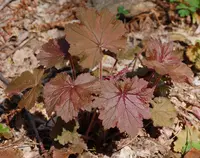
Hairy alumroot (Heuchera villosa) is a hardy, clump-forming perennial grown mainly for its textured foliage rather than its flowers. It forms low mounds of large, softly hairy leaves, with tall, airy flower stalks that add light structure without dominating the plant.

This species is native to rocky outcrops and woodland cliffs in eastern North America, so it naturally suits shaded or part-shaded garden spots. It adapts well to beds, borders, and shade containers, which makes it relatively straightforward to care for hairy alumroot.

Heuchera villosa generally prefers dappled light, consistent but not soggy moisture, and well-drained, humus-rich soil that does not bake hard in summer.

Main Plant Requirements

Care Difficulty

Moderate Care

Light Preference

Partial Shade

Water Requirements

Moderate Water

Temperature Preference

Cold Hardy

Hardiness Zone

4–8

Soil Texture

Loamy, Silty, Organic-rich

Soil pH

Acidic (5.5–6.5), Slightly acidic (6.5–7.0)

Soil Drainage

Moist but well-drained

Fertilization

Light (every 4–6 weeks)

Get Personalized Care Plan

Scan your plant to receive care tips personalized for your specific plant

Available on iOS and Android

How to Care for the hairy alumroot

Heuchera villosa prefers bright but gentle light that mimics its native woodland edges.

  • Provide 3–5 hours of morning sun with light or dappled shade the rest of the day, especially in USDA zones 7–9.
  • In hotter climates, protect hairy alumroot from harsh afternoon sun to prevent leaf scorch and washed-out color.
  • In cooler regions, choose a site with high bright shade or very light midday sun, watching for pale, stretched leaves as a sign of insufficient light.

Heuchera villosa needs steady moisture in well-drained soil to keep roots healthy and foliage full.

  • Water when the top 2–3 cm of soil feels dry, then soak the root zone thoroughly without leaving the area soggy.
  • Use humus-rich, well-draining soil or amended garden beds so water drains within 30–60 minutes, reducing crown rot risk.
  • In summer drought, expect to water more often and watch for wilting or crisp edges, while yellowing, mushy leaves suggest overwatering.

This species is a hardy perennial that grows best in moderate temperatures with seasonal cooling.

  • Active growth is strongest at 60–75°F (16–24°C), with foliage color and vigor best in mild spring and fall conditions.
  • Established plants tolerate winter lows near 0°F (-18°C) under mulch, but repeated freeze-thaw around the crown can cause heaving.
  • In summer, plants handle short heat waves up to about 90°F (32°C) if soil stays slightly moist and roots are shaded by mulch.

This species handles a wide humidity range and rarely needs special humidity management outdoors.

  • Performs well at roughly 30–60% humidity, typical of most outdoor garden conditions in temperate regions.
  • Tolerates periods of relatively dry air without leaf damage, provided soil moisture is kept even and roots do not dry out completely.
  • Watch for crisp leaf edges and slower growth as signs of humidity stress in very hot, dry sites, and use light mulching around hairy alumroot to buffer moisture loss.

Heuchera villosa grows best in loose, moisture-retentive but free-draining soil enriched with organic matter.

  • Use a loamy soil with plenty of humus, such as garden loam mixed with 30–40% compost, to hold moisture while staying aerated.
  • Aim for a slightly acidic to neutral pH around 6.0–7.0, avoiding strongly alkaline or strongly acidic soils that reduce nutrient availability.
  • Improve drainage and aeration in heavier ground by working in coarse sand, fine bark, or perlite to at least 15–20 cm depth before planting.
  • Avoid compacted clay, spots where water stands after rain, or pure sand, as both waterlogging and extreme drought stress the shallow root system.

This species is well suited to container growing on patios, balconies, and shaded entrances.

  • Choose a wider, shallower container rather than a deep narrow one to accommodate its fibrous, surface-oriented roots and keep the crown near the rim for airflow.
  • Select a heavier material such as ceramic or clay if the site is windy, as dense foliage and tall flower stalks can make the container top-heavy.
  • Use a potting mix that drains quickly yet holds some moisture, then raise the container slightly on feet or bricks to prevent the drainage holes from sealing against the ground.

Heuchera villosa benefits from light, consistent nutrition but performs well in reasonably fertile soil.

  • Use a balanced, slow-release granular fertilizer (around 10-10-10 or similar) or a thin layer of compost in spring.
  • Apply once in early spring and, if growth is weak, again in midsummer during active growth.
  • Dilute liquid feeds to 1/2 strength to avoid root burn, especially in containers.
  • Stop feeding hairy alumroot in late summer to fall so growth can harden before winter dormancy.

Pruning Heuchera villosa is simple and mainly focuses on tidying and sustaining flowering.

  • In late winter or very early spring, remove dead, damaged, or mushy leaves at the base with clean hand pruners or scissors.
  • Cut spent flower stalks back to the crown after blooming to encourage fresh foliage and possible rebloom.
  • Thin out crowded or tangled stems to improve airflow and reduce fungal issues in humid climates.
  • Trim lightly through the season only to remove unsightly foliage, keeping the natural mound shape.

This species grows mostly as a perennial border plant, so transplanting clumps is more common than container repotting.

  • Plan to lift and divide every 3–4 years in early spring or early fall, before extreme heat or frost.
  • Transplant when clumps thin in the center, growth slows, or roots circle a container and emerge from drainage holes.
  • Dig widely around the crown, keeping as much root ball as possible to limit stress and transplant shock.
  • Replant divisions at the same soil level in amended, well-drained soil, then water thoroughly and shade for 2–3 days.

Heuchera villosa is most commonly propagated by division, with seed used mainly for breeding or large numbers.

  • Divide mature clumps in early spring or early fall when soil is moist and temperatures are mild.
  • Lift the plant, then separate crowns by hand or with a clean knife, keeping several healthy buds and roots on each piece.
  • Replant divisions immediately into well-drained soil or containers, firm gently, and water to settle soil around roots.
  • For seeds, sow on the surface of moist, sterile mix, keep at 65–70°F with bright indirect light, and do not cover them deeply.

Established Heuchera villosa is generally cold hardy in much of the US but benefits from basic winter care in colder regions.

  • Tolerates typical frosts but can heave from freeze–thaw cycles, especially in exposed sites.
  • Apply a 5–7 cm layer of loose mulch after the ground cools to insulate the crown and roots.
  • Avoid cutting back all foliage before winter; older leaves help shield the crown from temperature swings.
  • Move container-grown plants into a sheltered, unheated but frost-protected spot if roots might freeze solid.

Care Tips

Mulch For Cool Roots

Apply a 3–5 cm layer of shredded bark or leaf mold around the crown each spring to keep roots cool, retain moisture, and reduce weed competition without burying the crown itself.

Divide To Rejuvenate

Every 3–4 years, lift and divide congested clumps in early spring or early fall, replanting only the firm, well-rooted outer sections at the same depth to maintain dense foliage and strong flowering.

Protect Heaved Crowns

In freeze–thaw climates, check plants in late winter for frost heave and gently press or replant raised crowns, then top up mulch to prevent roots from drying out before growth resumes.

Shade-Test Foliage Color

If leaves scorch or fade, gradually increase shade over 1–2 weeks using a temporary shade cloth or nearby container plants, then observe which exposure maintains the best color and vigor for that specific cultivar.

Monitor Vine Weevils

Inspect leaves monthly for notched edges and, if seen, treat the soil with an appropriate biological or chemical control targeting vine weevil larvae, since early intervention is important when caring for hairy alumroot.

Common Pests and Diseases

Black vine weevil

This pest chews notches in leaf edges and its larvae feed on the roots and crown, which can cause sudden wilting or plant collapse. Symptoms include scalloped leaves, poor vigor, and plants that lift easily due to root damage.

Solution

Hand-pick adult beetles at night, use corrugated cardboard or boards as traps, and destroy captured insects. For larvae, apply beneficial nematodes to moist soil in late spring or late summer and maintain a coarse, well-drained mulch layer to reduce shelter around crowns.

Heuchera rust

This disease causes orange to brown powdery pustules on leaf undersides, often with yellow spots visible on the upper surface. Symptoms include early leaf drop and a patchy, weakened clump.

Solution

Promptly remove and discard infected leaves, improve spacing and airflow, and avoid overhead watering so foliage dries quickly. In beds with repeated issues, rotate plantings, clean up all fallen debris, and consider using a preventive sulfur or copper-based fungicide during warm, humid periods.

Leaf spot

This disease produces small water-soaked or tan spots on leaves that may enlarge, darken, or develop a purple border, especially in warm, wet conditions. Symptoms include thinning foliage and cosmetic damage that can weaken the plant over time.

Solution

Remove and discard affected leaves, water at soil level, and thin crowded clumps to improve airflow. In persistent cases, apply a labeled ornamental foliar fungicide and avoid overhead irrigation or splashing water between plants.

Crown rot

This disease affects the base of the rosette, causing the crown to become brown, mushy, and foul-smelling, often starting after periods of heat and excess moisture. Symptoms include sudden collapse of the plant despite seemingly adequate watering.

Solution

Dig up and discard severely affected plants, including surrounding soggy soil, and improve drainage by raising beds or amending soil with coarse material. Replant divisions in well-drained, slightly elevated sites, avoid burying crowns too deeply, and water in the morning so the crown dries quickly.

Spider mites

These pests suck sap from the undersides of leaves, leading to fine stippling, dull foliage color, and in severe cases light webbing between leaves and stems. Symptoms include a faded, dusty appearance, especially during hot, dry weather or in dry indoor air where hairy alumroot indoor care is not optimized for humidity.

Solution

Rinse foliage thoroughly with a firm stream of water, focusing on leaf undersides, and repeat several times over 1–2 weeks. If populations remain high, use insecticidal soap or horticultural oil, and increase humidity around plants while avoiding waterlogged soil.

Interesting Facts

Appalachian cliff specialist

Heuchera villosa naturally occurs on moist, shaded cliffs and rock outcrops in the Appalachian and Ozark regions, often rooted in thin crevices with very little soil. This habitat preference explains its tolerance of shallow, rocky substrates in gardens.

Distinct hairy foliage

Unlike many related species, its leaves, petioles, and flowering stems are noticeably covered with soft hairs, an adaptation that helps reduce water loss and provides some protection from herbivores. This dense pubescence is the origin of the common name hairy alumroot.

Late-season pollinator support

This species flowers later in the season than many other Heuchera, producing airy spikes of small, pale flowers from late summer into early fall. The bloom timing provides a valuable nectar source for bees and other pollinators when many spring perennials are already finished.

Botan icon

Did you know?

Genetic and morphological studies indicate that Heuchera villosa forms part of a closely related complex of eastern North American Heuchera species, and horticultural breeders frequently use it as a parent to introduce heat and humidity tolerance into modern coral bell cultivars.

FAQs about hairy alumroot

This species forms slowly widening clumps, not running patches. It spreads by short crowns and offsets, staying where planted. Division every few years controls size and maintains vigor, so it is not considered aggressive.

Grow Healthy Plants with Botan Care

Keep your plants happy and healthy with plant identification, disease detection, and easy care guidance.

Botan plant care app — identify plants on mobile

Explore More Plants