golden ragwort Care (Packera aurea)

golden ragwort

About golden ragwort

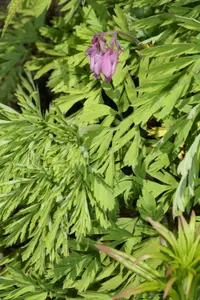
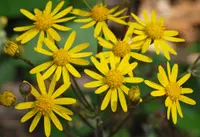
Golden ragwort (Packera aurea) is a hardy, low-growing perennial wildflower often used as a groundcover in shaded or woodland gardens. It forms dense clumps of heart-shaped basal leaves and sends up bright yellow daisy-like flower clusters in spring.

This species is native to moist woods, streambanks, and low meadows in eastern North America. It spreads by rhizomes, creating a living carpet that can help suppress weeds.

Golden ragwort is generally easy to manage if given consistent moisture and partial shade, though it can spread aggressively in ideal conditions. Understanding how to care for golden ragwort helps keep it vigorous without letting it overrun nearby plants.

Main Plant Requirements

Care Difficulty

Easy Care

Light Preference

Partial Shade

Water Requirements

Keep Soil Moist

Temperature Preference

Cold Hardy

Hardiness Zone

3–8

Soil Texture

Loamy, Silty, Organic-rich

Soil pH

Acidic (5.5–6.5), Slightly acidic (6.5–7.0)

Soil Drainage

Moist but well-drained

Fertilization

Minimal (feed rarely)

Get Personalized Care Plan

Scan your plant to receive care tips personalized for your specific plant

Available on iOS and Android

How to Care for the golden ragwort

This woodland perennial prefers bright, gentle light rather than intense, all-day sun.

  • Provide 3–5 hours of morning sun with light afternoon shade; dappled or filtered light under trees suits golden ragwort well.
  • In hot summers, protect from harsh sun after 1–2 pm to prevent leaf scorch and drying of shallow roots.
  • In cooler months, slightly more direct sun is tolerated, but avoid highly exposed, south-facing sites in warmer regions.

This moisture-loving native thrives in consistently damp, not waterlogged, soil.

  • Keep soil evenly moist so the top 2–3 cm just begins to dry between rains or irrigations, especially in spring and early summer.
  • Use rich, well-drained soil that holds moisture; avoid standing water, which leads to root rot and yellowing, mushy leaves.
  • In hot, dry periods, increase watering when foliage wilts or soil feels dry deeper than 5 cm; reduce frequency in cool, wet seasons.

This hardy perennial is adapted to cool to moderate outdoor climates.

  • Active growth is strongest around 55–75°F (13–24°C), with flowering often best in the cooler part of this range.
  • Plants tolerate winter cold near 0°F (-18°C) in the ground, though foliage may die back and re-sprout from the crown.
  • In summer, growth slows above 85°F (29°C); provide shade and consistent moisture during heat waves to reduce stress and leaf scorch.

This species prefers moderately moist air but usually adapts to typical household humidity.

  • Aim for 40–60% humidity, which mirrors the damp woodland edges where golden ragwort naturally grows.
  • Tolerates brief dry indoor air, but leaf edges may brown or curl if placed near heaters or drafts.
  • Increase humidity by grouping pots, placing trays of water and pebbles nearby, or growing above a consistently damp (not waterlogged) saucer of pebbles.

Packera aurea grows best in consistently moist, loose, organic-rich soil that does not stay waterlogged.

  • Use a loamy mix with high organic matter, such as garden loam blended with compost and leaf mold for a spongy, moisture-holding structure.
  • Ensure slow but steady drainage; aim for soil that stays evenly damp yet allows excess water to escape instead of pooling.
  • Target slightly acidic to neutral pH (about 5.5–7.0), which supports nutrient availability and healthy root development.
  • For containers, combine 50–60% compost-based mix with 20–30% leaf mold and 10–20% perlite to improve aeration and prevent compaction.

This species is suitable for container growing, especially on shaded patios or balconies.

  • Choose a wide, shallow to medium-depth pot so the spreading root system can colonize the surface without creating a deep, soggy core.
  • Use a heavier container material, such as ceramic or clay, to keep the plant stable as foliage spreads outward and becomes top-heavy when flowering.
  • Elevate the pot slightly on feet or bricks to help drainage holes clear quickly after heavy rain and prevent the base from sitting in runoff.

This native perennial needs only light feeding, especially when growing in average to rich garden soil.

  • Apply a thin layer of compost around golden ragwort in early spring to support fresh growth.
  • Use a balanced, slow-release NPK fertilizer at half strength once in spring if soil is poor or plants look pale.
  • Avoid midsummer and late-fall feeding so growth can harden before cold weather.
  • Always water before and after applying any fertilizer to reduce root burn.

Pruning helps Packera aurea stay dense, tidy, and flowering well in garden settings.

  • Cut back spent flower stems in late spring to encourage fuller foliage and reduce self-seeding.
  • Remove dead, diseased, or storm-damaged leaves and stems whenever noticed using clean, sharp snips.
  • Thin crowded clumps by taking out whole stems at the base to improve airflow and reduce mildew risk.
  • Shear lightly after flowering if a more compact, groundcover-like shape is desired.

This species is usually grown in the ground, so focus on dividing and transplanting clumps rather than frequent repotting.

  • Transplant or divide in early spring or early fall when temperatures are mild and soil is moist.
  • Lift congested clumps every 3–5 years, especially if flowering declines or centers die out.
  • Gently tease apart roots, replant divisions at the same depth, and water thoroughly to minimize transplant shock.
  • For container plants, move to a slightly larger pot when roots circle the sides or growth becomes stunted.

Packera aurea is commonly propagated by division, with seed used when larger numbers are needed.

  • Divide mature clumps in early spring or early fall, keeping several shoots and healthy roots per division.
  • Replant divisions into moist, well-drained soil and keep evenly watered until established.
  • Sow fresh seeds on the surface of a cool, moist seed mix; do not bury deeply, as light aids germination.
  • Provide bright, indirect light and consistently moist conditions until seedlings develop several true leaves.

This cold-hardy perennial generally needs minimal winter care in most temperate climates.

  • Tolerates freezing temperatures and typical winter frost once well established in the ground.
  • Apply a 5–7 cm layer of leaf mold or bark mulch in late fall to buffer root-zone temperature and moisture.
  • Container-grown plants benefit from moving to a sheltered, unheated space or burying pots to insulate roots.

Care Tips

Spring division timing

Divide mature clumps every 3–4 years in early spring just as new growth emerges, replanting sections immediately so the shallow roots do not dry out.

Use shallow edging

Install a low, shallow edging (5–8 cm) around beds to gently contain spreading rhizomes while still allowing enough space for the colony to expand and function as a groundcover.

Summer dormancy management

If foliage declines and thins after flowering in hotter summers, shear back spent stems and underplant with later-season perennials so the bed stays covered while the plant partially rests.

Moisture retention mulch

Apply a thin 2–3 cm layer of fine shredded leaf mold or composted bark each spring to keep the root zone cool, retain even moisture, and encourage new rhizome growth close to the soil surface.

Slug and snail monitoring

Check young shoots and tender spring growth regularly for slug and snail damage and use barriers or targeted bait early, since protecting these first leaves greatly improves vigor when growing golden ragwort.

Common Pests and Diseases

Rust

This disease causes yellow to orange leaf spots or pustules, often on older foliage in dense, moist plantings.

Solution

Remove and discard affected leaves, avoid overhead watering, and thin crowded clumps to improve air circulation; in severe, recurring cases on valuable plantings, a sulfur or copper-based fungicide labeled for rust on ornamentals can be applied according to label directions.

Powdery mildew

This disease forms a white, powdery coating on upper leaf surfaces, which can cause leaf distortion and reduced vigor in shaded, humid conditions.

Solution

Cut back and discard heavily affected foliage, reduce crowding to increase light and airflow, water at soil level, and use a horticultural oil or potassium bicarbonate product labeled for powdery mildew if the problem persists.

Leaf spot

This disease produces small brown to purple spots that may merge into larger patches, often appearing after long periods of wet weather or overhead irrigation.

Solution

Remove and dispose of spotted leaves, clean up fallen debris around the plants, water early in the day to let foliage dry quickly, and consider a copper-based fungicide if new lesions continue to appear under wet conditions.

Aphids

These insects cluster on young stems and undersides of leaves, sucking sap and sometimes causing distorted growth or sticky honeydew deposits that can attract sooty mold.

Solution

Spray plants with a strong stream of water to dislodge colonies, encourage natural predators such as lady beetles by avoiding broad-spectrum insecticides, and use insecticidal soap or a light horticultural oil on persistent infestations, making sure to cover leaf undersides.

Leaf miners

This pest creates narrow, winding tunnels inside the leaves, which appear as pale or translucent trails that can reduce the plant’s aesthetic quality in large numbers.

Solution

Pinch off and discard mined leaves as soon as trails are noticed, keep plants healthy with adequate moisture so they outgrow minor damage, and use row covers or fine mesh over young plants if leaf miner pressure is consistently high in the garden.

Interesting Facts

Early spring nectar

Golden ragwort flowers very early in spring in eastern North America, providing nectar and pollen for emerging bees and small pollinators when few other native perennials are blooming.

Moist woodland specialist

This species is naturally adapted to wet meadows, stream banks, and moist woodland edges, where its dense colonies help stabilize soil and reduce erosion along watercourses.

Clonal groundcover habit

Packera aurea spreads through short rhizomes below the soil surface, forming long‑lived clonal patches that function as a semi‑evergreen groundcover in mild winters.

Botan icon

Did you know?

Genetic studies have shown that Packera aurea belongs to a complex group within the aster family that underwent relatively recent and rapid diversification in North America, which helps explain the high number of closely related Packera species with overlapping ranges and similar yellow flower heads.

FAQs about golden ragwort

This species spreads by both seed and creeping rhizomes, forming dense colonies over time. It can be vigorous in moist, favorable sites, so use edging, regular division, or deadheading to keep it within desired boundaries.

Grow Healthy Plants with Botan Care

Keep your plants happy and healthy with plant identification, disease detection, and easy care guidance.

Botan plant care app — identify plants on mobile

Explore More Plants