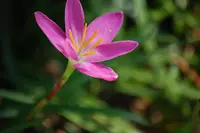
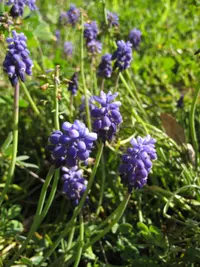
primrose peerless Care (Narcissus × medioluteus)

Also known as: Cemetery-ladies, Pale Narcissus
primrose peerless

About primrose peerless

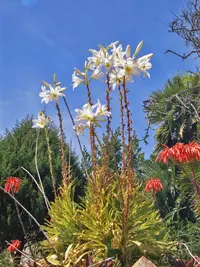
Primrose peerless, Narcissus × medioluteus, is a hardy spring-flowering bulb grown mainly in garden beds, borders, and naturalized lawns. It forms clumps of narrow green leaves and produces clusters of soft yellow and white, sweetly scented flowers on upright stems.

This hybrid daffodil is thought to have arisen in southern Europe and is now widely planted in temperate gardens. Once established, it tends to return reliably each year with minimal attention.

It is generally easy to grow, provided it has sun to light shade and soil that drains well. Basic knowledge of how to care for primrose peerless helps gardeners keep clumps vigorous and flowering over time.

Main Plant Requirements

Care Difficulty

Easy Care

Light Preference

Full Sun

Water Requirements

Moderate Water

Temperature Preference

Cold Hardy

Hardiness Zone

4–9

Soil Texture

Sandy, Loamy, Organic-rich

Soil pH

Acidic (5.5–6.5), Slightly acidic (6.5–7.0)

Soil Drainage

Well-drained

Fertilization

Minimal (feed rarely)

Get Personalized Care Plan

Scan your plant to receive care tips personalized for your specific plant

Available on iOS and Android

How to Care for the primrose peerless

This hardy daffodil hybrid thrives in bright outdoor conditions with cool to mild temperatures.

  • Provide 4–6 hours of direct morning sun with light afternoon shade; in hotter regions, use filtered light after 1–2 pm to prevent leaf scorch.
  • Plants tolerate partial shade, but flowering declines if they receive less than about 3–4 hours of sun during spring, when primrose peerless is actively growing.
  • Choose open sites in winter–spring so low-angle sun reaches the bulbs; summer shade from trees is acceptable once foliage dies back.

This bulb prefers evenly moist but never waterlogged soil during active growth in late winter and spring.

  • Water only when the top 3–5 cm of soil feels dry, focusing on the root zone and avoiding constant surface dampness that encourages rot.
  • Ensure sharply drained soil; standing water, heavy clay, or blocked drains around Narcissus × medioluteus lead to yellowing foliage, soft bulbs, and fungal problems.
  • Reduce or stop watering after leaves naturally yellow and collapse in late spring, then keep soil relatively dry during summer dormancy to protect the bulbs.

This spring-flowering bulb is adapted to cool winters and mild springs in temperate climates.

  • Active growth and flowering occur best at 45–65°F (7–18°C); extended warmth above 75°F (24°C) during bloom shortens flower life and can stress foliage.
  • Bulbs tolerate winter lows near 0°F (−18°C) in the ground when soil is well drained and mulched, but repeated freeze–thaw cycles in soggy soil increase rot risk.
  • For reliable flowering, bulbs need a cool period around 35–48°F (2–9°C) in winter, followed by a gradual spring warm-up rather than abrupt heat spikes.

Humidity is rarely a concern for Narcissus × medioluteus, which adapts well to typical outdoor air.

  • Performs reliably in 30–60% humidity, similar to most temperate garden conditions.
  • Tolerates dry air as long as soil moisture is maintained and bulbs do not fully dry out for extended periods.
  • Humidity stress appears as browning or crisping leaf tips; address by watering correctly rather than trying to boost air moisture when caring for primrose peerless.

Narcissus × medioluteus prefers moderately fertile, well-structured mineral soil that stays moist yet drains quickly.

  • Use a loamy soil with some sand or fine grit to keep the structure open and prevent waterlogging around the bulbs.
  • Incorporate 20–30% garden compost or well-rotted leaf mold to increase organic matter without making the soil heavy.
  • Aim for a slightly acidic to neutral pH of about 6.0–7.0, which supports nutrient availability and healthy root growth.
  • Avoid heavy, compacted clay or spots that stay wet after rain; improve such areas by raising the bed and mixing in sharp sand and compost for better aeration.

This species is well suited to container growing when drainage and bulb depth are managed carefully.

  • Choose a pot at least 20–25 cm deep so bulbs can sit 10–15 cm below the rim while leaving space for a free-draining mix above them.
  • Use a heavier material like terracotta or ceramic to stabilize tall flowering stems and reduce the risk of containers tipping in wind.
  • Elevate the container slightly on feet or bricks so drainage holes clear quickly, preventing standing water that can rot densely packed bulbs.

Narcissus × medioluteus benefits from light feeding but performs well even in modest soils.

  • Apply a balanced slow-release fertilizer (around 10-10-10) or thin compost layer in early spring as shoots emerge.
  • Use fertilizer at half the label strength to avoid forcing soft, weak growth.
  • Do not feed once foliage begins yellowing and the plant enters dormancy.
  • Container-grown primrose peerless may need a slightly richer, but still diluted, balanced NPK feed in spring only.

Pruning Narcissus × medioluteus focuses on cleaning up spent growth rather than reshaping the plant.

  • Deadhead fading flower heads promptly by snipping the stem near the base to reduce seed set and conserve energy.
  • Leave green foliage intact for 6–8 weeks after bloom, removing only yellow, diseased, or damaged leaves.
  • Use clean, sharp scissors or hand pruners to avoid crushing the soft stems.
  • Do not cut foliage to the ground while still green, as this reduces bulb strength and future flowering.

This bulb is usually grown in the ground, with transplanting or lifting only needed every few years.

  • Divide and transplant clumps every 4–6 years if flowering declines or bulbs crowd and bloom size drops.
  • Schedule lifting and replanting for late summer to early fall, after foliage has fully died back.
  • If grown in containers, repot when roots circle the pot or growth weakens, using a free-draining bulb mix.
  • Handle bulbs gently, keep them slightly moist but not wet after replanting, and water deeply once to settle soil and limit root stress.

Narcissus × medioluteus is most commonly propagated by dividing established bulb clumps.

  • Lift bulbs in late summer to early fall when foliage is fully dry and dormant.
  • Gently separate offsets (small bulbs) from the parent bulb, discarding any soft or diseased pieces.
  • Replant bulbs at about 2–3 times their height, in well-drained soil and full sun to light shade.
  • Water once after planting, then keep soil only lightly moist until active growth resumes in late winter or early spring.

Narcissus × medioluteus is generally cold hardy in typical temperate climates and needs minimal winter care.

  • In colder regions, apply a 5–8 cm mulch layer after the ground cools to moderate soil temperature.
  • Avoid waterlogged soils in winter, as excessive moisture around dormant bulbs increases rot risk.
  • For containers, move pots to a sheltered, unheated but frost-free or slightly protected area to prevent repeated freeze-thaw cycles.

Care Tips

Bulb Marking Stakes

After flowering, place discreet stakes or labels where clumps grow so you avoid disturbing bulbs during summer digging or planting other perennials nearby.


Timed Foliage Removal

Allow foliage to yellow fully, then cut it back cleanly at soil level and remove it from the bed to reduce disease carryover without shading neighboring plants longer than necessary.

Divide Forcing Clumps

If flowering declines, lift and divide crowded clumps in late summer, replanting bulbs 10–15 cm apart to restore bloom density and maintain long-term vigor when growing primrose peerless.

Rodent Deterrent Grid

In areas with squirrel or rodent pressure, plant bulbs under a wire mesh or hardware cloth grid just below the soil surface so shoots can emerge while pests are blocked from digging them up.

Companion Layering

Underplant with shallow-rooted, late-emerging perennials or groundcovers so their foliage hides ripening narcissus leaves and fills the gap once the bulbs go dormant without competing strongly for nutrients.

Common Pests and Diseases

Narcissus bulb fly

This pest targets narcissus bulbs, where the larvae tunnel inside and destroy the growing point, leading to weak or absent flowering and collapsing foliage.

Solution

Lift and inspect suspect bulbs, discarding any that feel soft or show internal tunneling, and replant only firm, healthy bulbs. In areas with recurring problems, cover bulb beds with fine insect mesh from late spring to midsummer to prevent egg-laying, and avoid leaving old bulbs or plant debris in place that can harbor larvae.

Basal rot

This disease, caused mainly by the fungus Fusarium oxysporum f. sp. narcissii, attacks the basal plate of bulbs, leading to brown, dry rot and eventual plant collapse or poor emergence.

Solution

Remove and destroy any bulbs showing brown, crumbly tissue at the base, and do not compost infected material. Plant only high-quality, firm bulbs in well-drained soil, rotate planting sites, and lift and store bulbs in a cool, dry, well-ventilated place to reduce infection risk.

Narcissus smoulder

This disease, often caused by the fungus Botrytis narcissicola, produces brown leaf spots, distorted foliage, and a characteristic grey, fuzzy mold on leaves, stems, and flowers in cool, damp conditions.

Solution

Promptly remove and discard affected leaves and flowers to reduce spore spread, and keep planting areas open with good air circulation. Avoid overhead watering, especially late in the day, and space bulbs adequately so foliage can dry quickly after rain or irrigation.

Narcissus eelworm

This pest is a microscopic nematode (stem and bulb eelworm) that invades bulbs, causing swollen, distorted foliage, stunted growth, and brownish, spongy patches inside the bulb scales.

Solution

Discard any bulbs with soft, spongy patches or obvious distortion and do not replant them, as there is no reliable home cure once infested. Use only certified, clean bulbs, avoid replanting narcissus in known infested soil for several years, and practice good garden hygiene by removing crop residue after foliage dies back.

Narcissus mosaic virus

Symptoms include yellow streaks or mottling on leaves and reduced vigor, sometimes with deformed flowers and gradual decline in clump performance.

Solution

Dig up and discard symptomatic plants to limit virus spread, as infected bulbs do not recover, and clean tools with a disinfectant before working on healthy clumps. Control sap-sucking insects such as aphids that can transmit viruses, and propagate only from vigorous, symptom-free plants when growing Narcissus × medioluteus in the same area long term.

Interesting Facts

Ancient natural hybrid

This daffodil is a stable natural hybrid between Narcissus poeticus and Narcissus tazetta, recognized in cultivation since at least the 17th century and often persisting for centuries at old homesites and churchyards.

Distinctive twin flowers

Each flowering stem usually carries 2 strongly fragrant, pale yellow blooms with a small cup, a floral arrangement that helps distinguish it from both parent species in the garden.

Long-lived clump former

Bulbs form slowly expanding clumps that can survive and flower reliably for many decades, often outlasting buildings and landscaping where they were originally planted.

Botan icon

Did you know?

The common name primrose peerless or twin sisters reflects its unusually reliable habit of producing two nearly identical flowers on each stem, a trait that made it a favored pass-along plant in historic gardens across Europe and North America.

FAQs about primrose peerless

Poor flowering usually comes from crowded bulbs, depleted soil nutrients, or insufficient chilling over winter. Divide clumps every 3–5 years, apply a balanced bulb fertilizer after bloom, and ensure cold winter conditions for reliable buds.

Grow Healthy Plants with Botan Care

Keep your plants happy and healthy with plant identification, disease detection, and easy care guidance.

Botan plant care app — identify plants on mobile

Explore More Plants