


Mark Dormant Clumps
Flag or discreetly label the spot in late summer as foliage dies back so you do not accidentally dig or damage the underground bulbs during autumn or winter soil work.

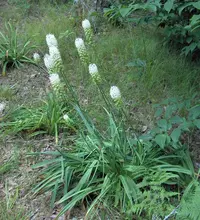
Flypoison, Amianthium muscitoxicum, is a bulb-forming perennial wildflower in the asparagus family. It produces a single stem topped with a dense, upright cluster of small white flowers. The plant usually grows in open woods, rocky slopes, and clearings in the eastern United States, often in acidic, well-drained soils. Its narrow, grasslike leaves emerge from the base and can be easy to overlook outside of flowering season. This species is attractive but highly poisonous, which limits how people care for flypoison in gardens or naturalized settings. It generally prefers partial sun, consistent moisture, and soil that drains well without staying waterlogged.

Care Difficulty
Moderate Care

Light Preference
Partial Shade

Water Requirements
Regular Water

Temperature Preference
Cold Hardy

Hardiness Zone
5–8

Soil Texture
Loamy, Silty, Organic-rich

Soil pH
Acidic (5.5–6.5)

Soil Drainage
Moist but well-drained

Fertilization
Minimal (feed rarely)
Scan your plant to receive care tips personalized for your specific plant
Available on iOS and Android
Amianthium muscitoxicum prefers bright, indirect woodland-style light that mimics its native habitat.
This species prefers consistently moist, not soggy, soil similar to a damp woodland floor.
This woodland perennial is hardy and adapted to cool to warm temperate climates with distinct seasons.
Humidity is not a significant factor for this hardy woodland perennial in outdoor settings.
This species prefers moist, well-aerated woodland soil that stays evenly damp but not waterlogged.
This species is not well suited to long-term container culture, as it prefers stable, cool, moist woodland soil profiles.
This native bulb, commonly called flypoison, usually grows well in lean soils and needs only light, occasional feeding in cultivation.
Amianthium muscitoxicum requires minimal pruning, mainly to maintain plant health and appearance.
This bulb is most often grown in the ground, where it dislikes frequent disturbance but accepts careful transplanting when needed.
Propagation of Amianthium muscitoxicum is possible but slow and mainly suited to patient or experienced growers.
This species is cold hardy in much of its native range and usually needs only basic winter care in the ground.

Plant Health Check
Not sure what's wrong with your plant? Check your plant's health inside the app.
This species naturally occurs in acidic, sandy or rocky soils of the Appalachian and southeastern United States, often in open woods or along powerline cuts where light reaches the forest floor.
Its bulbs contain potent steroidal alkaloids that are strongly toxic to mammals and insects, a chemical defense that discourages herbivory but also makes the plant dangerous if ingested.
Its narrow leaves and underground bulbs can resemble wild onion or wild garlic, but it lacks the characteristic onion smell, a key field cue that helps distinguish it from edible Allium species.

Livestock poisonings have been documented when grazing animals consume its bulbs or foliage, which is why the plant is known by the common name flypoison and is considered an important toxic species in some southeastern US pastures.
All parts of this species are highly toxic to humans, pets, and livestock if eaten, causing severe gastrointestinal and nervous system symptoms. Plant it where children and animals cannot access it, and always handle bulbs and sap carefully.
Keep your plants happy and healthy with plant identification, disease detection, and easy care guidance.

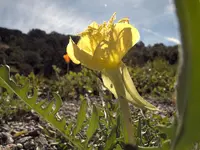
yellow evening primrose
Oenothera flava
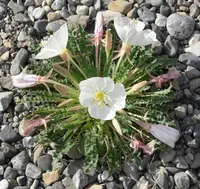
fragrant evening primrose
Oenothera cespitosa
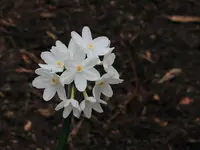
paperwhite narcissus
Narcissus papyraceus
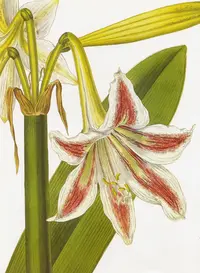
Hippeastrum vittatum
Hippeastrum vittatum
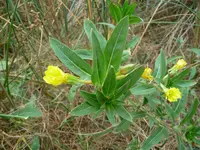
Oakes' evening primrose
Oenothera oakesiana
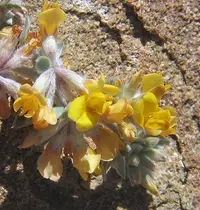
silver bird's-foot trefoil
Acmispon argophyllus
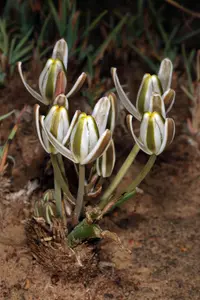
Thick Slime-lily
Albuca setosa
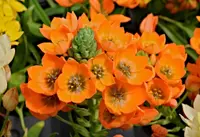
Yellow Chincherinchee
Ornithogalum dubium