Encourage Compact Clumps
Pinch back overly long, lax stems by 2–3 in after the main flush of flowers to keep the plant in a tight mound and to prevent it from opening up in the center.

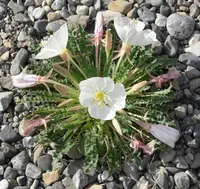
Fragrant evening primrose (Oenothera cespitosa) is a low-growing perennial wildflower known for its large, white, night-blooming flowers and sweet scent. It forms a ground-hugging rosette with flowers held just above the foliage.
This species is native to dry, open areas of western North America, often found in sandy or rocky soils. It is adapted to tough conditions and can handle drought once established.
Gardeners looking to care for fragrant evening primrose will find it relatively undemanding if given plenty of sun and well-drained soil. Its main challenges are overly rich, wet ground and heavy competition from taller plants.

Care Difficulty
Easy Care

Light Preference
Full Sun

Water Requirements
Low Water

Temperature Preference
Cold Hardy

Hardiness Zone
4–9

Soil Texture
Sandy, Loamy, Rocky

Soil pH
Slightly acidic (6.5–7.0), Neutral (7.0)

Soil Drainage
Well-drained

Fertilization
Minimal (feed rarely)
Scan your plant to receive care tips personalized for your specific plant
Available on iOS and Android
This sun-loving perennial thrives best in open, bright positions typical of dry, western habitats.
This drought-tolerant species prefers infrequent, deep watering rather than frequent light applications.
This hardy perennial is adapted to continental climates with cold winters and warm, dry summers.
Humidity is rarely a concern for this dryland perennial in typical household or outdoor conditions.
This species needs lean, fast-draining soil that mimics its native rocky habitats.
This plant can be grown in containers if the setup emphasizes rapid drainage and a dry root zone.
This drought-tolerant native needs only light feeding, so caring for fragrant evening primrose focuses more on soil quality than on fertilizer.
Pruning Oenothera cespitosa is mainly about keeping the clump tidy and supporting repeat flowering.
This species is usually grown in ground beds, so care focuses on gentle transplanting rather than frequent repotting.
Propagation of Oenothera cespitosa is most reliable from seed, with occasional division where clumps have formed.
This perennial is cold hardy in much of the US and generally needs minimal winter care in the ground.

Plant Health Check
Not sure what's wrong with your plant? Check your plant's health inside the app.
This species opens its large white flowers at dusk and they usually fade by the following morning, a timing that matches the activity of its main pollinators, nocturnal moths.
The flowers typically shift from white to pink as they age, which is thought to signal to pollinators that older blooms have less nectar and pollen available.
Plants form low, tight leaf rosettes close to the soil surface, an adaptation that helps them resist wind and conserve moisture in exposed, dry habitats of western North America.

Seeds of this species often germinate best after exposure to cold, moist conditions that mimic winter, a trait known as cold stratification that times seedling emergence with favorable spring moisture in its native arid landscapes.
This species forms low, spreading clumps and can slowly expand by short rhizomes and self-seeding. In typical garden settings it is not considered aggressive, but in very lean, dry soils it may form broad mats over time.
Keep your plants happy and healthy with plant identification, disease detection, and easy care guidance.