Malgas Lily Care (Ammocharis longifolia)

Also known as: Malagash Lily
Malgas Lily

About Malgas Lily

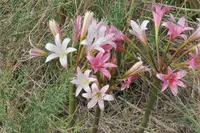
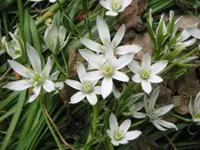
Malgas lily, Ammocharis longifolia, is a bulb-forming perennial from arid and semi-arid regions of southern Africa. It grows from a large underground bulb that stores water and nutrients. Leaves are long, strap-shaped, and often lie flat on the ground, while the plant sends up a rounded cluster of fragrant, starry flowers on a short, sturdy stalk. In habitat it experiences hot, dry periods followed by seasonal rain, so it handles drought better than prolonged wet conditions. This background makes it relatively tough but slow to establish in cultivation. Gardeners who want to care for Malgas Lily should provide strong light, gritty, very free-draining soil, and careful watering that avoids waterlogged roots.

Main Plant Requirements

Care Difficulty

Moderate Care

Light Preference

Full Sun

Water Requirements

Low Water

Temperature Preference

Warm Climate

Hardiness Zone

9–11

Soil Texture

Sandy, Loamy, Rocky

Soil pH

Slightly acidic (6.5–7.0), Neutral (7.0)

Soil Drainage

Well-drained

Fertilization

Minimal (feed rarely)

Get Personalized Care Plan

Scan your plant to receive care tips personalized for your specific plant

Available on iOS and Android

How to Care for the Malgas Lily

Ammocharis longifolia needs strong light to flower well, similar to other sun-loving bulbs.

  • Provide 6–8 hours of full sun daily, ideally with morning sun and light afternoon shade in very hot regions, for reliable Malgas Lily flowering.
  • Plant in an open, unshaded position; light, shifting shade is tolerated, but deep shade causes weak leaves and poor or absent blooms.
  • In summer, protect bulbs from reflected heat off walls or paving that can scorch foliage; in winter, ensure an unobstructed south-facing exposure where possible.

This bulb prefers a wet–dry cycle rather than constantly moist soil.

  • During active growth, water only when the top 3–5 cm of soil are dry, allowing water to soak through freely and drain away completely.
  • Use sharply drained, sandy or gritty soil so the bulb and roots never sit in water; soggy soil leads to yellowing, soft foliage and bulb rot in Ammocharis longifolia.
  • In dry dormancy, reduce or stop watering until new leaves or roots appear; shriveling outer bulb scales indicate mild thirst, while mushy tissue signals overwatering.

This species grows best in warm, frost-free conditions with a marked dry rest period.

  • Aim for 70–85°F (21–29°C) during active growth; short spikes up to 95°F (35°C) are tolerated if soil is well drained and the bulb is not waterlogged.
  • Protect from temperatures below 40°F (4°C); light frost can damage foliage, and hard freezes below 32°F (0°C) may kill exposed bulbs.
  • In winter, keep dormant bulbs cool and dry at about 45–55°F (7–13°C), avoiding repeated freeze–thaw cycles and sudden temperature swings.

This bulb from arid habitats tolerates low indoor humidity and rarely needs special moisture in the air.

  • Ideal humidity is 30–50%, similar to most heated homes.
  • Dry air is usually fine; stress appears more from overwatering than low humidity, with yellowing or soft leaves and bulb rot.
  • If air is extremely dry and leaf tips brown, group pots together or place a tray of water and pebbles nearby without raising ambient humidity above 50%.

Ammocharis longifolia needs very fast-draining, airy soil to protect its bulb from rot.

  • Use a sandy, gritty mix such as 50–60% coarse sand or fine gravel with the rest cactus mix or lean loam.
  • Aim for slightly acidic to neutral pH around 6.0–7.0, avoiding strongly acidic or alkaline substrates that can limit nutrient uptake.
  • Increase aeration by adding extra pumice or perlite so water drains through within seconds and the mix feels loose, not compacted.
  • Avoid heavy clay, peat-heavy bags, or mixes that stay wet for days, which encourage fungal problems around the buried part of the bulb.

This species is well suited to container growing when the pot is shallow and sharply drained.

  • Choose a wide, shallow pot that allows the large bulb neck to sit slightly exposed, reducing moisture around the crown.
  • Use a heavier material such as terracotta to balance the tall flower stalks and reduce the risk of the pot tipping over outdoors.
  • Fill the bottom few cm with coarse grit or crock only if the container is very tall, to prevent the bulb sitting in the slowest-drying zone of the mix.

Ammocharis longifolia benefits from light feeding but is adapted to relatively lean, sandy soils.

  • Use a balanced, diluted liquid fertilizer (around 10-10-10) at 1/2 strength during active growth in spring–summer.
  • Feed every 4–6 weeks while leaves are present; do not apply to completely dry soil.
  • Avoid fertilizing during dormancy; stop feeding once foliage yellows and dies back.
  • For Malgas Lily in poor soil, a thin layer of compost in spring can support flowering without overfeeding.

Ammocharis longifolia needs minimal pruning, focused mainly on cleanliness rather than shaping.

  • Best time for any work is late summer to autumn, after flowering and once foliage starts to weaken.
  • Remove only dead, dried, or diseased leaves by cutting at the base with clean, sharp scissors or pruners.
  • Avoid cutting green, healthy foliage, as it feeds the bulb and supports future blooms.
  • Clear away spent flower stalks once fully dry to reduce disease risk and keep the clump tidy.

This bulb prefers to stay undisturbed, so repotting or transplanting should be infrequent and deliberate.

  • Look for roots escaping drainage holes, bulbs pressing against the pot edge, or reduced flowering as signs to move it.
  • Plan transplanting or repotting for late summer to early autumn, after flowering but before new root growth starts.
  • Aim to repot only every 4–5 years, placing bulbs with necks at or just above soil level in a deep, well-drained container.
  • Handle bulbs gently, keep roots slightly moist, and water lightly after moving to reduce stress and encourage re-establishment.

New Ammocharis longifolia plants are usually raised from offsets or seeds under warm, bright conditions.

  • Divide bulb offsets in late summer–early autumn, when the plant is dormant or just after foliage dies back.
  • Gently separate firm, healthy offsets from the mother bulb and replant in gritty, well-drained mix with necks exposed.
  • For seeds, sow fresh in warm (70–75°F), bright, indirect light and keep the mix just lightly moist.
  • Grow seedlings on without disturbance for several years until bulbs reach flowering size.

This bulb is not fully hardy in cold climates and benefits from simple winter protection, especially in containers.

  • In mild regions (around USDA zones 9–10), bulbs can stay in the ground with sharply drained soil.
  • Where frost is common, add a 5–8 cm dry mulch over the bulb zone once foliage dies back.
  • Container plants in colder areas should move indoors to a cool, bright, frost-free spot for dormancy.
  • Keep soil almost dry in winter, watering just enough to prevent the bulbs from shriveling.

Care Tips

Dormancy handling

After the leaves die back in late summer, keep the pot completely dry and in a bright, airy place for 3–4 months to allow the bulb to rest and form strong flower buds for the next season.

Neck exposure

Plant the bulb with the upper third exposed above the soil line and brush away any mix that accumulates over it so the bulb neck stays dry and less prone to rot.

Controlled root room

Use a wide, shallow pot and avoid frequent repotting, since slightly root-bound bulbs tend to flower more reliably than those moved into oversized containers.

Summer outdoor shift

In mild climates, move the pot outdoors to a sunny, sheltered spot during warm, dry months to promote stronger foliage and a sturdier bulb, then bring it back under cover before heavy rain or cold nights below 50°F.

Bloom support

When large flower heads form, insert a discreet stake and loosely tie the scape with soft ties to prevent wind or accidental knocks from snapping the flowering stem while caring for Malgas Lily.

Common Pests and Diseases

Mealybugs

This pest often hides in leaf bases, bulb necks, and between old bulb scales, sucking sap and weakening the plant over time. Symptoms include sticky honeydew, cottony white clusters, and distorted or stunted leaves.

Solution

Remove visible clusters with a cotton swab dipped in 70% isopropyl alcohol and rinse foliage and bulb gently with a strong but controlled stream of water. For heavier infestations, apply a neem oil or insecticidal soap spray directed into leaf bases and around the bulb, repeating every 7–10 days until no new insects appear, and isolate the plant from others during treatment.

Narcissus bulb fly

This pest targets amaryllid bulbs, laying eggs at the neck of the bulb; the larvae tunnel inside and eat the bulb tissue. Symptoms include sudden leaf yellowing, plant collapse, and soft or hollow sections in the bulb.

Solution

Discard heavily damaged bulbs, as larvae are usually deep inside and difficult to remove. For prevention, cover soil around dormant bulbs with fine mesh or grit during the egg-laying season, avoid leaving injured bulbs exposed, and inspect bulbs before planting, destroying any that feel unusually soft, hollow, or show clear tunneling.

Spider mites

These insects prefer hot, dry conditions and can colonize Ammocharis foliage during active growth, feeding on leaf sap. Symptoms include fine stippling on leaves, dull or silvery patches, and very fine webbing on the undersides of leaves or between leaf bases.

Solution

Increase humidity around the plant without overwatering the bulb, and rinse foliage thoroughly with lukewarm water, paying attention to leaf undersides. If needed, use insecticidal soap or neem oil sprayed every 5–7 days for several cycles, and improve airflow and reduce heat buildup around the plant to discourage reinfestation.

Basal bulb rot

This disease affects the basal plate and lower bulb scales, often triggered by prolonged moisture around the bulb during warm conditions. Symptoms include a soft, brown, foul-smelling bulb base, poor root growth, and yellowing or collapse of leaves.

Solution

Uproot the plant, cut away all soft, discolored tissue with a sterile knife, and dust the healthy remaining bulb with a sulfur- or copper-based fungicidal powder. Replant only in sharply drained, sterile medium with the upper bulb exposed, adjust watering so the bulb stays mostly dry during dormancy, and avoid overhead watering that keeps the crown wet.

Leaf scorch

This disorder occurs when Ammocharis foliage receives sudden intense sun or is stressed by hot, dry wind, especially after emerging from dormancy. Symptoms include brown, crispy tips and margins while the rest of the leaf remains green, and sometimes patchy bleaching on the sun-exposed side.

Solution

Move the plant to a position with bright but slightly filtered sun during the hottest part of the day and increase watering slightly during active growth without letting the bulb sit in wet soil. Gradually acclimate plants from indoor or shaded spots to stronger sun over 7–14 days to reduce stress and prevent future scorch, which is a key aspect of Ammocharis longifolia plant care in exposed sites.

Interesting Facts

Bulb that migrates

This species is known for its contractile roots, which slowly pull the bulb deeper into the soil over time, helping it avoid heat and surface disturbance in its arid habitats.

Fan-shaped leaf rosette

Instead of forming a radial tuft, its long, strap-like leaves are arranged in a distinctive flat fan, an adaptation that helps expose more leaf surface to low-angle light near the ground.

Seasonal flowering strategy

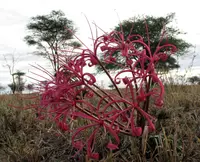
Large, fragrant, pink to whitish flowers emerge on a tall, leafless stalk, often timed with seasonal rains, ensuring pollinators are active when the plant invests energy in reproduction.

Botan icon

Did you know?

The dry, spherical seed head of this species can detach and roll in the wind like a small tumbleweed, helping disperse its relatively large, fleshy seeds over open, sandy ground in its native southern African habitat.

FAQs about Malgas Lily

Lack of flowers often results from insufficient dormancy, overcrowded bulbs, or inadequate nutrients. Ensure the bulb rests dry in its dormant period, provide a low-nitrogen fertilizer, and divide congested clumps to restore flowering.

Grow Healthy Plants with Botan Care

Keep your plants happy and healthy with plant identification, disease detection, and easy care guidance.

Botan plant care app — identify plants on mobile

Explore More Plants