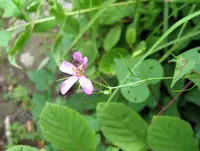
trumpet evening primrose Care (Oenothera jamesii)

Also known as: Giant Evening Primrose, River Primrose
trumpet evening primrose

About trumpet evening primrose

Trumpet evening primrose, Oenothera jamesii, is a perennial wildflower known for its tubular yellow blooms that open in the evening and fade by morning. It forms low clumps or loose colonies from underground rhizomes.

This species is native to dry, open habitats in the southwestern and central United States, often found in sandy or rocky soils. It is generally tolerant of heat, poor soil, and seasonal drought, which makes it relatively easy to grow in low-maintenance gardens.

Gardeners who care for trumpet evening primrose should provide full sun, well-drained soil, and only occasional watering once plants are established.

Main Plant Requirements

Care Difficulty

Easy Care

Light Preference

Full Sun

Water Requirements

Low Water

Temperature Preference

Cold Hardy

Hardiness Zone

4–8

Soil Texture

Sandy, Loamy, Rocky

Soil pH

Slightly acidic (6.5–7.0), Neutral (7.0)

Soil Drainage

Well-drained

Fertilization

Minimal (feed rarely)

Get Personalized Care Plan

Scan your plant to receive care tips personalized for your specific plant

Available on iOS and Android

How to Care for the trumpet evening primrose

This species prefers strong light and thrives in open, exposed sites.

  • Provide 6–8 hours of direct sun daily; morning to early afternoon sun is ideal in most climates.
  • It tolerates light afternoon shade, especially in hotter regions, which helps prevent leaf scorch and premature flower fade.
  • In cooler seasons or overcast areas, ensure as much unobstructed sky exposure as possible so trumpet evening primrose forms sturdy, compact growth.

This drought-tolerant perennial prefers infrequent, deep watering in fast-draining soil.

  • Allow the top 5–7 cm of soil to dry before watering; soil should feel dry and loose, not cool and sticky.
  • During hot, dry periods, increase watering when leaves wilt during the day and stay limp by evening; reduce in cooler or rainy seasons.
  • Ensure sandy or gritty soil with excellent drainage to prevent root rot; yellowing, soft stems often indicate overwatering in Oenothera jamesii.

This hardy perennial tolerates a wide temperature range once established.

  • Optimal active growth occurs around 65–80°F (18–27°C), with strong flowering in warm, bright conditions.
  • Mature plants usually survive down to about -20°F (-29°C) if soil drains well and crowns are not waterlogged in winter.
  • Heat tolerance is high up to about 95°F (35°C) if soil is not constantly wet; in extreme heat, flowering may pause but resumes when temperatures moderate.

This species is adapted to dry climates and rarely needs special humidity control.

  • Aim for 30–50% humidity, similar to typical indoor air in heated or air-conditioned homes.
  • Plants tolerate dry air well; prolonged humidity above 60% can promote fungal spotting on leaves and stems.
  • If air is very humid, increase spacing, airflow, and avoid overhead watering to limit disease pressure on trumpet evening primrose.

This species prefers lean, fast-draining soil that mimics dry, open habitats.

  • Use a sandy or gritty mix, such as 50–60% coarse sand or fine gravel blended with 40–50% loam or standard potting mix.
  • Ensure sharp drainage; water should pass through within seconds, not sit on the surface or in the saucer.
  • Aim for slightly acidic to neutral pH, around 6.0–7.0, avoiding strongly acidic or alkaline substrates.
  • Improve aeration and prevent compaction by adding mineral aggregates like pumice or perlite rather than heavy compost or peat.

This species can be grown in containers if the pot and substrate are chosen to keep roots dry and well aerated.

  • Choose a broad, relatively deep pot that allows its spreading root system to anchor without circling tightly.
  • Use a heavy or weighted container in windy sites, since tall flowering stems can make the plant top-heavy.
  • Select a porous pot material such as unglazed clay to let excess moisture evaporate more quickly from the root zone of Oenothera jamesii.

This tough native perennial needs minimal feeding, especially in the ground, but responds to light nutrition in poor soils.

  • Apply a light dressing of compost around the clump in early spring to support new growth.
  • Use a balanced, slow-release fertilizer (around 10-10-10) at half strength once in late spring if growth or flowering is weak.
  • Avoid repeated feeding in summer, which can cause lush, floppy foliage and fewer flowers.
  • Do not fertilize trumpet evening primrose during winter dormancy or when top growth has died back.

Pruning Oenothera jamesii focuses on tidying growth and sustaining flowering rather than shaping a woody structure.

  • Cut back spent flower stalks in midsummer to encourage continued blooming and reduce unwanted self-seeding.
  • Remove dead, damaged, or diseased stems whenever noticed using clean, sharp hand pruners or scissors.
  • In late fall or very early spring, shear back old, dry foliage to just above the crown to refresh the plant.
  • Avoid heavy, repeated cutting into healthy green growth, which can stress the plant and reduce flower display.

This species is usually grown in the ground, so care centers on garden transplanting rather than frequent repotting.

  • Transplant young plants in early spring or early fall, when weather is cool and soil moisture is moderate.
  • Choose a sunny, well-drained site and loosen the planting area wider than the root mass to ease establishment.
  • Move container-grown plants only when roots circle the pot or growth stalls, typically every 2–3 years.
  • Water thoroughly after transplanting, then keep soil lightly moist for 1–2 weeks to limit root stress before returning to normal watering.

Oenothera jamesii is commonly propagated by seed and by division of established clumps.

  • Sow ripe seeds outdoors in fall or early spring; natural cold exposure helps break dormancy and improves germination.
  • Prepare a free-draining, sandy seed bed or tray and keep the surface just moist until seedlings appear.
  • Divide mature clumps in early spring, lifting the root mass and gently separating sections with several buds each.
  • Replant divisions at the same depth, firm soil around roots, and water well to settle them in and support recovery.

This species is cold hardy in much of its range and usually needs little specific winter care once established.

  • After frost, allow top growth to die back naturally, then cut stems near the base if desired for tidiness.
  • In colder regions, apply a 3–5 cm layer of mulch over the root zone to moderate soil temperature fluctuations.
  • Container plants in very cold climates benefit from being moved to a sheltered, unheated but frost-free area.

Care Tips

Encourage Evening Bloom

If possible, schedule irrigation and light grooming in late afternoon so flowers open clean and dry by evening, which supports better pollination and seed set when growing trumpet evening primrose.


Control Underground Spread

Install a shallow root barrier 15–20 cm deep around beds or along paths to keep its rhizomes from spreading into turf or neighboring planting zones.

Seed Management Strategy

Deadhead spent flowers before seed pods mature if you want to limit self-sowing, or leave selected pods on the most vigorous plants to ripen fully for controlled seed collection.

Staggered Rejuvenation

In established clumps, cut back or thin one section each year rather than the whole stand at once, which maintains flowering while gradually renewing older, woody crowns.

Support In Poor Sites

In exposed, windy, or very lean sites, use a low, unobtrusive ring support or pea sticks to keep tall flowering stems from lodging, which reduces breakage and keeps blooms visible for pollinators.

Common Pests and Diseases

Flea beetles

These insects chew many small round holes in leaves, giving foliage a shot‑hole or sieve‑like appearance and sometimes stunting new growth.

Solution

Use lightweight row cover over young plants in spring, reduce nearby weedy hosts, and, if damage is persistent, apply a neem oil or spinosad spray in the evening, coating leaf surfaces thoroughly. Maintaining vigorous plants with adequate sun and water helps them outgrow minor feeding when growing trumpet evening primrose outdoors.

Leaf miners

This pest creates winding, pale tunnels inside leaves, which may turn brown and dry along the mined areas.

Solution

Hand‑remove and dispose of affected leaves as soon as mines appear to break the life cycle, and avoid overhead watering that softens foliage. For heavier infestations, use a systemic insecticide labeled for ornamental perennials or apply spinosad to young larvae on the leaf undersides according to label directions.

Aphids

These insects cluster on tender stems and buds, sucking sap and causing curling, distortion, and sticky honeydew that can attract sooty mold.

Solution

Spray plants with a firm stream of water to dislodge colonies, then follow with insecticidal soap or neem oil, ensuring full coverage of stems and leaf undersides. Encourage or protect natural predators such as lady beetles and lacewings by minimizing broad‑spectrum chemical use nearby.

Powdery mildew

This disease appears as white or gray powdery patches on leaves, which may yellow, curl, and age prematurely under crowded or humid conditions.

Solution

Improve air circulation by thinning crowded stems and avoiding overhead irrigation, especially late in the day. Remove and discard badly affected foliage, and if needed apply a sulfur or potassium bicarbonate fungicide labeled for ornamental perennials at the first sign of infection.

Rust

Symptoms include small yellow spots on upper leaf surfaces and orange to brown pustules on the undersides, which can lead to early leaf drop in warm, moist weather.

Solution

Promptly remove and destroy infected leaves, including fallen debris around the base of the plant, and water at soil level to keep foliage dry. In recurrent cases, apply a labeled ornamental fungicide containing myclobutanil or chlorothalonil at the first appearance of spots, rotating products to reduce resistance risk.

Interesting Facts

Night-blooming desert specialist

This species opens its pale yellow, tubular flowers at dusk in response to cooler temperatures and dropping light levels, matching the activity of its moth pollinators in arid and semi-arid habitats of the southwestern United States.

Moth-focused pollination

The long floral tube and strong evening fragrance are adapted to hawkmoths with long proboscises, which can reach nectar deep in the flower and transfer pollen effectively between widely spaced plants.

Clonal spread by rhizomes

It often forms loose colonies through underground rhizomes, allowing a single genetic individual to occupy several meters of sandy or gravelly soil and persist through periods of drought or disturbance.

Botan icon

Did you know?

Genetic and morphological studies place this species within a southwestern North American lineage of evening primroses that has diversified in response to increasingly arid climates, making it a useful model for understanding how perennial herbs adapt to water-limited environments.

FAQs about trumpet evening primrose

This species spreads through both seed and underground rhizomes, forming colonies over time. In loose, well-drained soils it can expand quickly, so use edging or root barriers where containment is important, especially in smaller beds or mixed borders.

Grow Healthy Plants with Botan Care

Keep your plants happy and healthy with plant identification, disease detection, and easy care guidance.


Botan plant care app — identify plants on mobile

Explore More Plants